





The Hidden Waterway
Nestled away from the bustle of Indian metropolises and the throngs of sacred sites, a remarkable river flows with an almost unheard presence. This is the Kunthipuzha
River, a body of water that has earned the distinctive title of India's 'Silent River.' Its quiet journey is of immense ecological importance, marking it as one of the nation's most unspoiled and naturally preserved watercourses. Originating from the majestic Western Ghats mountain range in southern India, specifically within the Nilgiri Hills, the Kunthipuzha embarks on its course. It meanders through the verdant, dense woodlands of the Silent Valley National Park, a protected area renowned for its exceptional biodiversity. Ultimately, this tranquil river merges with the Bharathapuzha River, a significant waterway within the state of Kerala, completing its serene passage through this ecologically rich landscape.
Why 'Silent'?
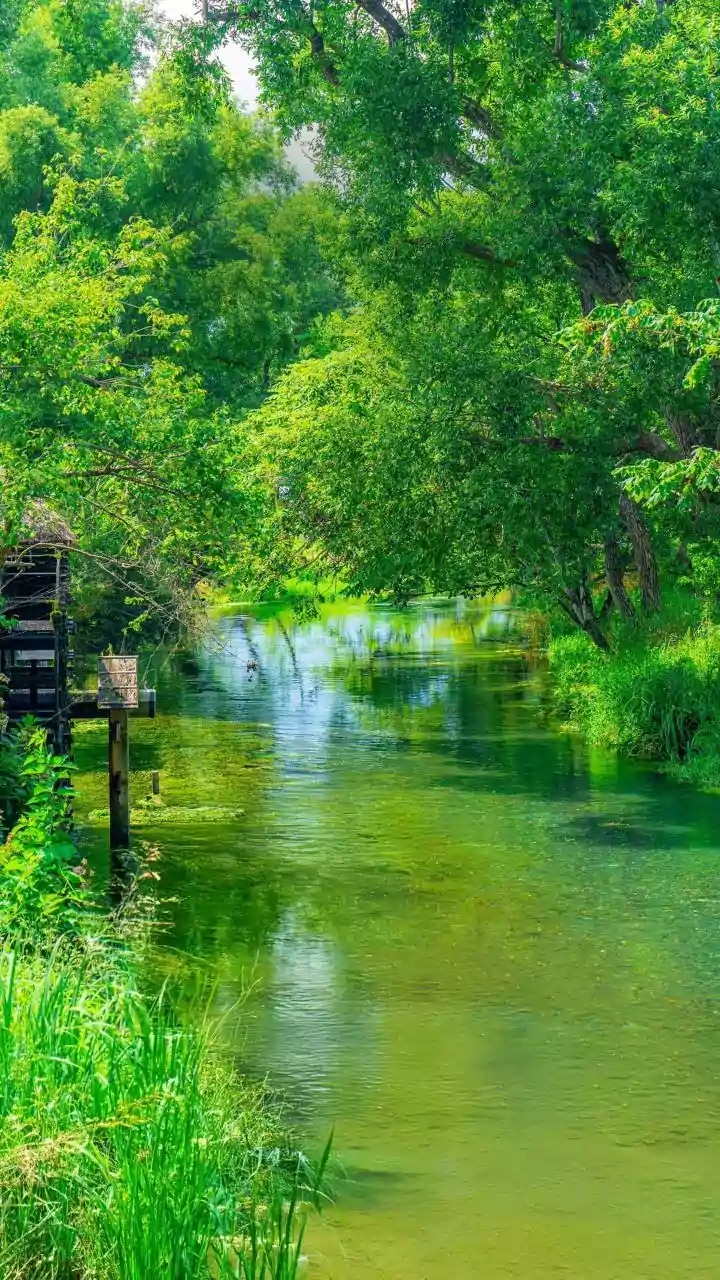
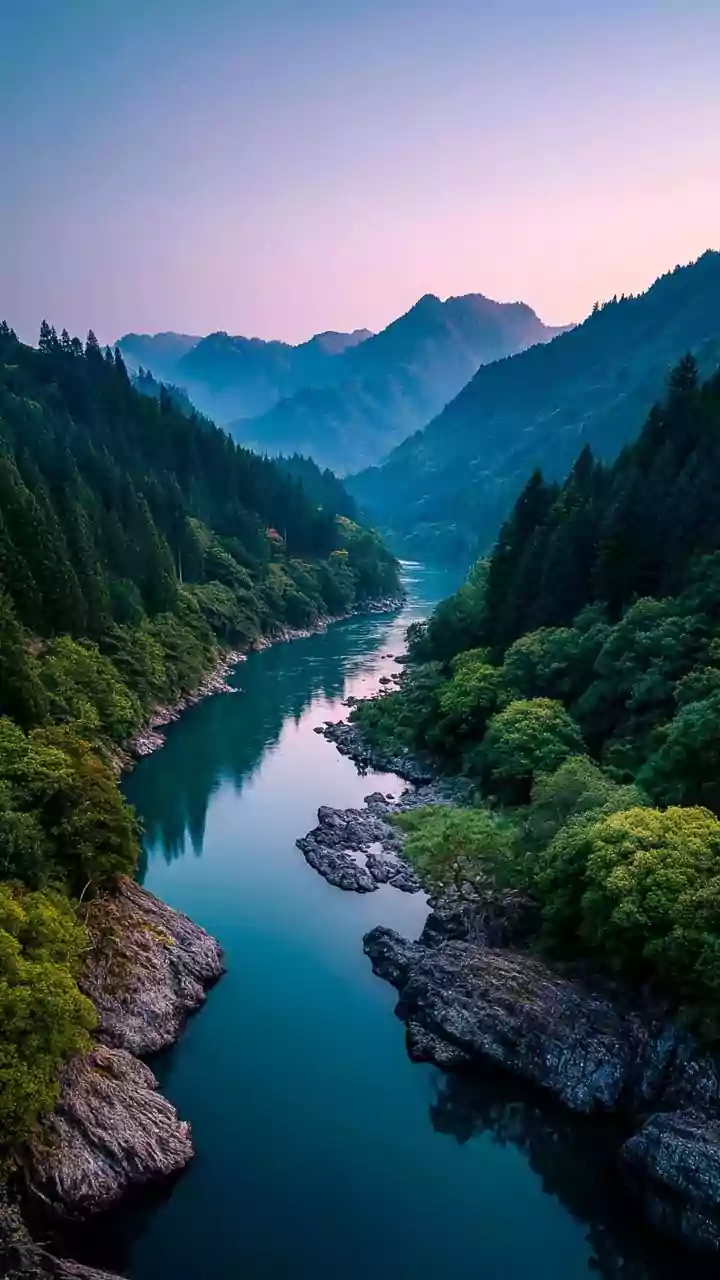
The moniker 'Silent River' is intrinsically linked to the secluded environment through which the Kunthipuzha flows: the Silent Valley National Park in Kerala. Unlike numerous Indian rivers that traverse populated urban centers and are often associated with religious rituals or industrial activities, this river winds its way through a largely undisturbed tropical rainforest. The absence of significant human settlements along its banks means human intervention is minimal, resulting in exceptionally low pollution levels. This profound natural isolation is the very essence of why the river is designated 'silent' – it's a sanctuary where the natural symphony of the environment prevails, free from the cacophony of human endeavors and the disruptions they often bring to waterways across the country.
A Sanctuary of Biodiversity
The Silent Valley National Park, cradled within Kerala's Nilgiri Hills, stands as one of India's last remaining pristine tropical rainforests. This vibrant ecosystem is a haven for a remarkable array of rare wildlife, most famously the endangered Lion-tailed Macaque. The Kunthipuzha River plays an absolutely crucial role in sustaining this rich biodiversity, acting as a vital lifeblood for the park's inhabitants. The area was once under threat from a proposed hydroelectric project, but concerted conservation efforts led to its protection and official declaration as a national park in 1984. This landmark decision transformed Silent Valley into a celebrated example of successful environmental preservation in India, safeguarding its unique natural heritage for future generations and ensuring the river's continued tranquility.
Lifeblood of the Ecosystem
The Kunthipuzha's watershed is a critical habitat for a multitude of rare and vulnerable species, including the striking Lion-tailed Macaque, the elusive Nilgiri Langur, and the sizable Malabar Giant Squirrel. Beyond these iconic mammals, the river's aquatic environment nurtures a diverse population of fish, amphibians, and a wide variety of bird species, collectively forming an intricate food web. Given the minimal human footprint in the region, this entire area has managed to remain one of India's most exceptionally well-preserved natural landscapes. The sustained purity of the Kunthipuzha River is not merely an aesthetic quality; it is fundamental to the survival and thriving of this unique biological community, making it a truly invaluable natural asset.