


Vegetable Seed Choices
For gardeners in cooler climates anticipating their last frost in May (USDA Zone 4 and lower), March is the crucial month for starting a wide array of
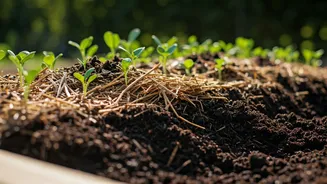
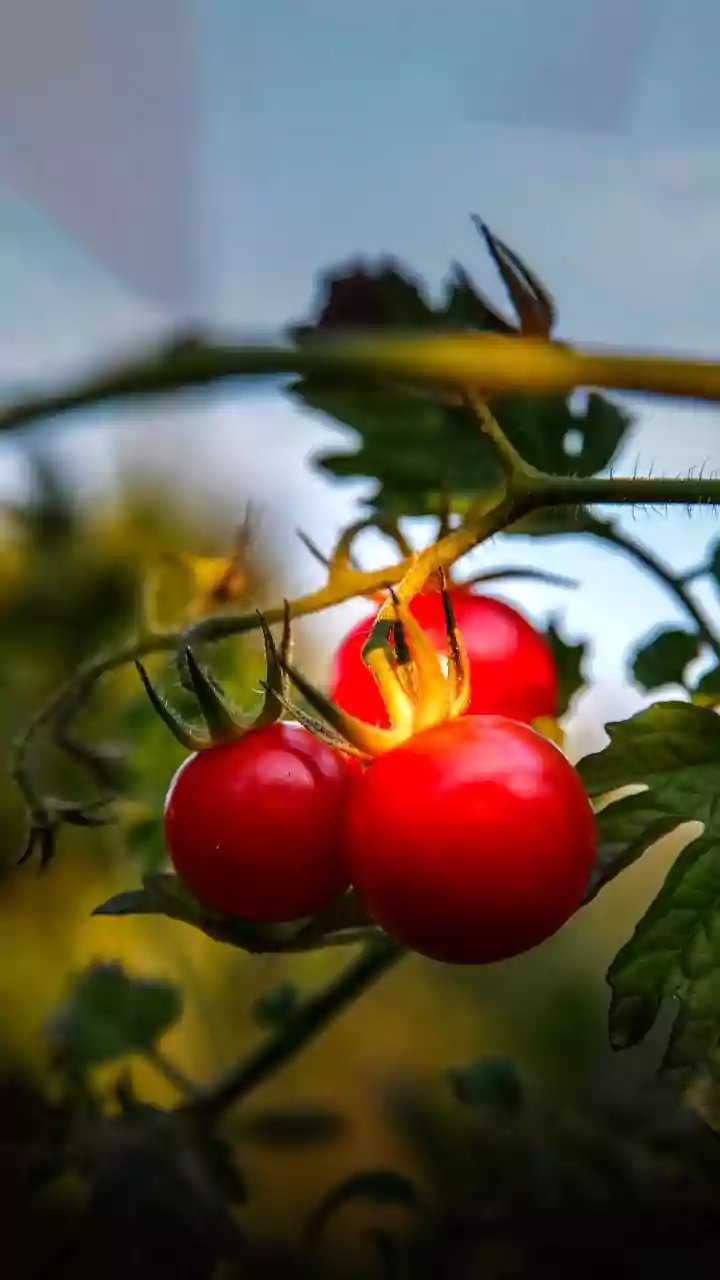
seeds indoors. This proactive approach provides a significant head start on the growing season, ensuring robust transplants are primed for outdoor planting once temperatures stabilize. Among the prime candidates for this early indoor sowing are essential kitchen vegetables like tomatoes, peppers, and eggplants. These crops demand a substantial period to mature and produce fruit, with experts recommending their indoor initiation in March. This allows ample time for their development before they are transplanted outside after the final spring frost. Additionally, lettuce, a crop that thrives in the cooler conditions of spring, can also be started indoors during March and successfully transplanted into the garden in May, offering a refreshing early harvest.
Herbal Harvest Starts
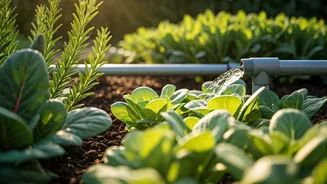
Both annual and perennial herbs are exceptionally well-suited for an early start indoors during March. These plants are often characterized by their slow growth rate, and initiating them indoors provides gardeners with superior control over their delicate germination process. The tiny size of many herb seeds can make direct sowing challenging, whereas an indoor environment allows for better management. Garden experts frequently include herbs such as thyme, oregano, and sage on their March seed-starting lists, planning for transplanting them outdoors in May. Parsley, while relatively cold-hardy once established, is another excellent herb to begin indoors. Its seeds can be quite finicky to germinate, often requiring up to three weeks. Similarly, basil benefits from an early start, typically needing four to six weeks to reach a transplantable size suitable for outdoor conditions.
Blooming Beginnings
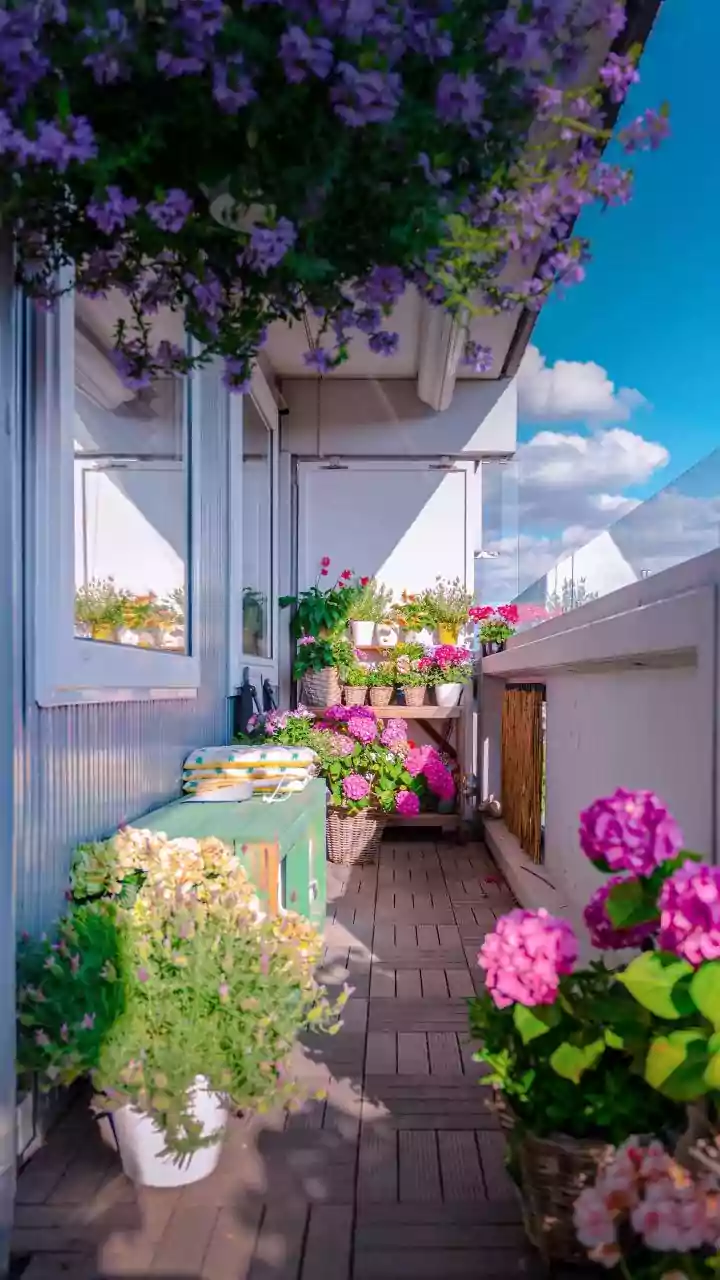
While it's generally too early to sow most rapidly growing annual flowers indoors, slower-maturing perennials are excellent candidates for a March start. Flowers like Echinacea (coneflower), dusty miller, and black-eyed Susans can be successfully sown indoors and then transplanted outside after the last frost in May. A critical consideration is plant size; overly large seedlings can struggle to adapt to outdoor environments. However, in warmer climates, gardeners may have the flexibility to start all their annual flower seeds in March without concern for premature growth. Given the often diminutive size of flower seeds, beginning them in pots or flats indoors offers much greater control compared to direct sowing in the garden. Popular choices for this early indoor cultivation include pentas, sunflowers, zinnias, gomphrena, purslane, and marigolds.
Smart Seed Starting
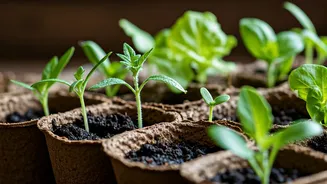
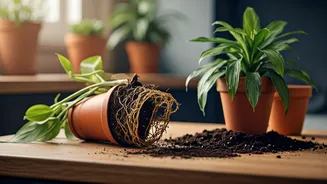
To optimize seed starting success, avoid sowing seeds too early. A reliable method for determining the ideal timing is to consult your seed packets for the number of days to harvest or flowering, and then count backward from your area's average last frost date, adding germination time if specified. Utilizing a seed-starting heat mat can be beneficial, as many seeds require specific temperatures to germinate effectively. Pay close attention to lighting requirements; some seeds need light to sprout and should not be covered with soil. Preventing overcrowding is also vital, especially with small seeds. If clusters of seedlings emerge, carefully thin them using tweezers to ensure adequate space for healthy growth. Finally, consistent and appropriate watering is key; maintaining evenly moist soil, often achieved by lightly misting, is crucial for germination and early development.