






Hemis: Ladakh's High-Altitude Wonder
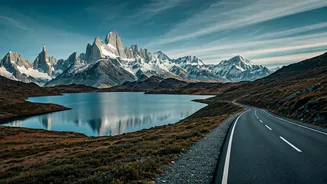
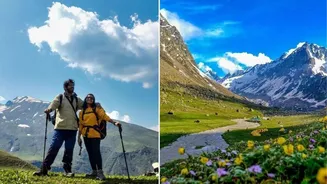
Venture into India's highest national park, Hemis, nestled within Ladakh's dramatic cold desert. This stark landscape of arid valleys, rugged cliffs, and icy
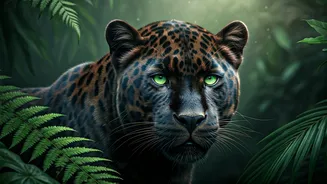
streams offers a different kind of safari experience. Instead of jeeps, explore on foot with local guides, immersing yourself in the terrain. The park is renowned for its elusive snow leopards, but the breathtaking scenery is equally captivating. As the snow recedes in lower areas, May provides more comfortable trekking conditions. Keep an eye out for blue sheep scaling the mountainsides and Himalayan marmots emerging from hibernation. Bird activity also increases, with golden eagles and Himalayan griffons often soaring overhead. While snow leopard sightings are less frequent by May, they remain possible at higher elevations, offering a truly unique adventure in this remote wilderness.
Dachigam: Kashmir's Accessible Sanctuary
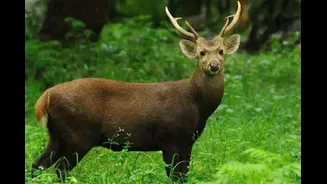
Conveniently located just a short drive from Srinagar, Dachigam National Park provides an accessible escape into nature. This park, part of the Zabarwan range, transitions from wooded lower valleys to alpine meadows. In May, the landscape is vibrantly green, thanks to snowmelt feeding numerous streams. Dachigam is critically important as the last refuge for the endangered hangul, or Kashmir stag, a species found almost nowhere else. Early summer is an ideal time to visit, offering pleasant temperatures before the heat intensifies. Look for hangul grazing in the quieter parts of the lower valleys during the day. Himalayan black bears also become more active after their winter slumber. Birdwatchers will delight in the variety of Himalayan species, including the Himalayan monal and koklass pheasant, often spotted near forest edges and water bodies.
Jim Corbett: Bengal Tigers' Domain
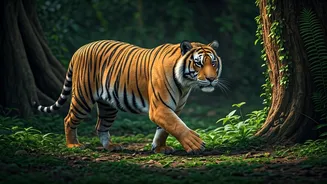
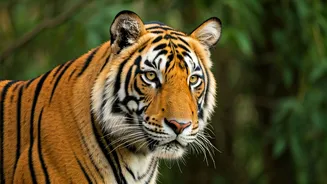
As India's oldest national park, Jim Corbett offers a diverse tapestry of sal forests, riverine belts, marshes, and expansive grasslands at the Himalayan foothills. The Ramganga river, a central feature, shapes the landscape, particularly around the Dhikala zone. This area's open grasslands are a magnet for herbivores during the summer months. Corbett presents a distinct environment compared to the dry forests of central India, with denser vegetation, a hilly backdrop, and a strong birding culture alongside its tiger safaris. Wildlife activity intensifies near the Ramganga river and the Dhikala reservoir, as animals congregate for water. Mugger crocodiles and gharials can be seen basking on the riverbanks. While tiger sightings are possible, especially in Dhikala and Bijrani, the park's dense forests can make them more challenging and thus more rewarding than in open parks.
Periyar: Lakeside Wildlife Spectacle
Periyar National Park, perched in the Western Ghats, is centered around the serene Periyar Lake, formed by a late 19th-century dam. Its ecosystem comprises evergreen forests, dense bamboo thickets, and mist-covered hills, providing a cooler, tranquil atmosphere even during peak summer. Unlike traditional jeep safaris, Periyar offers unique boat safaris along the lake's edges, where sightings are a significant part of the experience. Animals are drawn to the lake, particularly during the cooler parts of the day. May is an excellent month for elephant sightings, with herds frequently observed feeding along the banks or crossing shallow waters. Boat excursions often reveal Gaur, Sambar deer, and wild boar. The abundant water also attracts a variety of birdlife, including darters, cormorants, and the striking Malabar grey hornbill.
Kaziranga: Rhinos and Rivers
Located on the floodplains of the Brahmaputra river, Kaziranga National Park is characterized by vast expanses of elephant grass, marshlands, and shallow wetlands that undergo dramatic seasonal transformations. This park is globally celebrated for its dense population of one-horned rhinoceroses and also harbors one of the highest tiger densities in the world. Kaziranga tends to feel more open than heavily forested reserves, allowing for frequent wildlife visibility across its grasslands. May marks the final opportunity for exploration before the monsoon floods reshape the landscape. Rhinos are commonly seen grazing in open areas close to safari routes, often accompanied by swamp deer and wild buffalo. Elephants traverse the tall grasses in herds, while the wetlands become a haven for diverse bird species like storks, pelicans, and fish eagles. Though tiger sightings are never guaranteed, summer visibility significantly improves before the onset of the rains.
Nagarhole: Kabini's Elephant Haven
Part of the Nilgiri Biosphere Reserve, Nagarhole National Park offers a rich mix of dense teak forests, bamboo groves, and open meadows, all interconnected by streams and reservoirs. The Kabini backwaters, bordering the park, have become a focal point for summer wildlife viewing. As water levels recede, the exposed muddy banks become a magnet for animals. May is particularly productive for sightings around Kabini, with large gatherings of elephants near the backwaters. Leopards are frequently encountered along forest roads and near lodges adjacent to the reserve, while packs of dholes and herds of gaur are often spotted on morning drives. Birdlife remains vibrant throughout the summer, especially in areas close to the water's edge, making it a comprehensive wildlife destination.