

Your Body's Priorities
Forget expensive serums; the foundation of healthy hair lies in your kitchen. Your hair follicles are remarkably active production units, demanding a constant
supply of the right fuel. However, your body operates on a survival instinct, viewing hair as a non-essential luxury. When your dietary intake falters, your system ruthlessly diverts vital nutrients away from your hair to support critical organs like your heart and lungs. Consequently, the condition of your hair becomes a clear and visible indicator of your overall nutritional status. Understanding this interplay is crucial for nurturing robust hair growth from its very source.
Protein and Healthy Fats
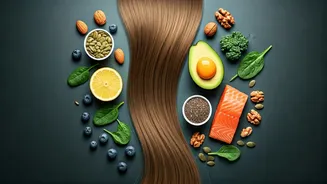
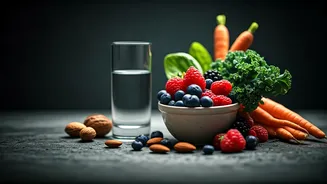
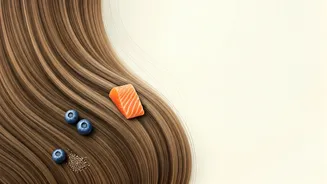
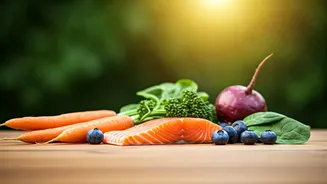
Macronutrients form the bedrock of hair structure and health. Protein, specifically the keratin that makes up your hair, is paramount. Insufficient protein intake compels your body to prematurely exit the hair's growth phase (anagen) and enter the resting and shedding phases (telogen), leading to brittle strands and thinning. To counter this, incorporate lean meats, eggs, fish, lentils, tofu, and Greek yogurt into your meals. Equally important are Omega-3 fatty acids, which your body cannot synthesize but are vital for a healthy scalp. These fats nourish the sebaceous glands, promoting natural sebum production for a hydrated scalp and silky hair. Rich sources include fatty fish like salmon, alongside chia seeds, walnuts, and flaxseeds. These components are the primary building blocks and maintainers of healthy hair.
Essential Vitamins and Minerals
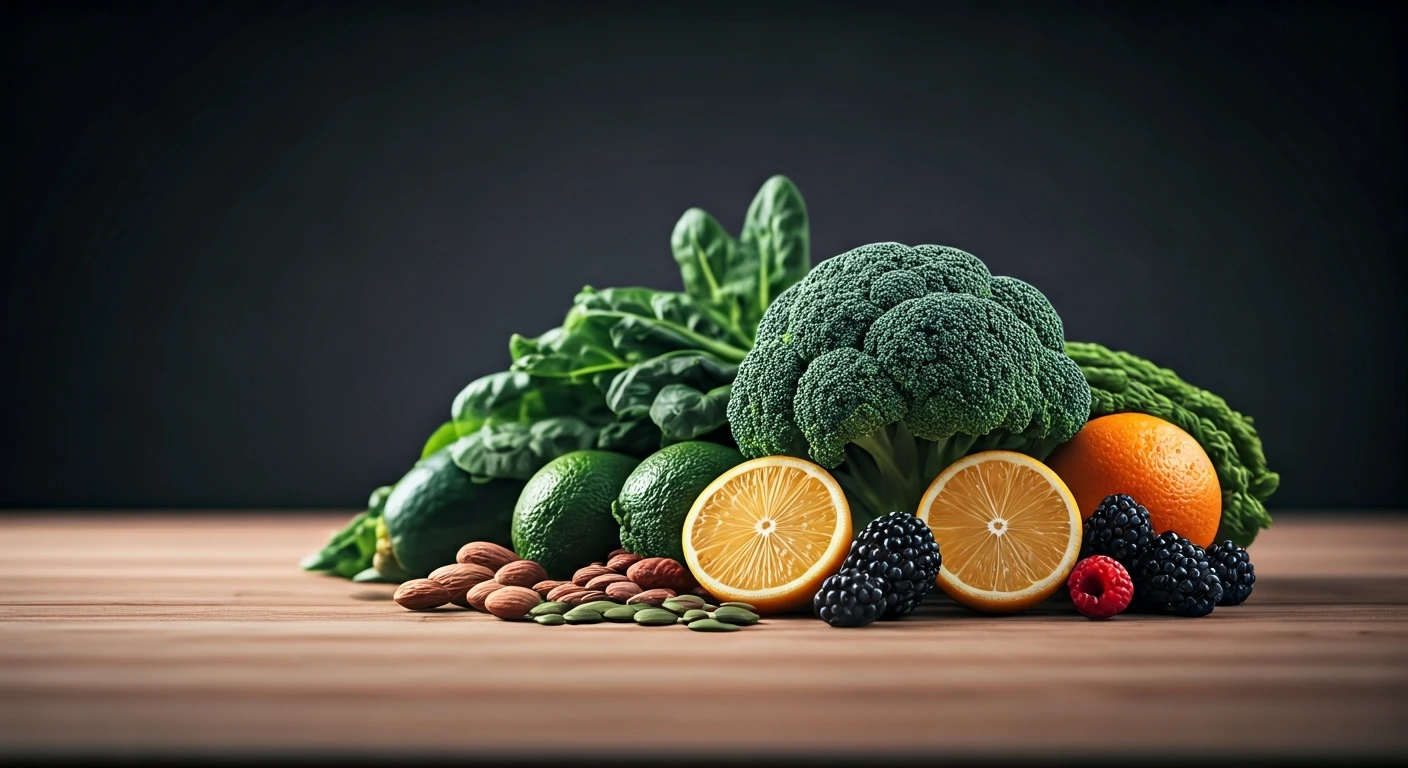
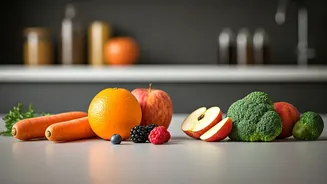
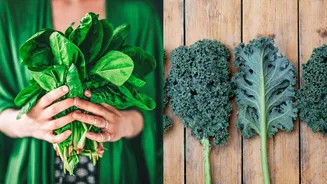
Micronutrients play a critical, often underestimated, role in hair vitality. Iron is a key player, facilitating hemoglobin production to deliver oxygen efficiently to your hair roots, thus promoting growth. Iron deficiency is a leading cause of hair loss, particularly among women. Ensure you consume iron-rich foods like spinach, lentils, and red meat. A practical tip for plant-based iron sources is to pair them with Vitamin C, such as a squeeze of lemon juice, to significantly enhance absorption. Zinc is another vital mineral that aids in repairing hair tissue and maintaining optimal oil gland function; unexplained shedding might signal a zinc deficiency, making pumpkin seeds a good snack option. B-vitamins, especially Biotin (B7) and B12, are celebrated for their role in keratin synthesis and red blood cell production, which nourish the scalp. Vitamin C, a potent antioxidant, combats damage and aids collagen synthesis, preventing premature hair aging and breakage. Finally, Vitamin D, obtainable from safe sun exposure or fortified milk, is suggested by research to be involved in the creation of new hair follicles.
Whole Foods Over Supplements
Before reaching for supplements, consider a crucial point: excess is not beneficial. In fact, dangerously high levels of certain nutrients, like Vitamin A and Selenium, have been medically linked to hair loss. Scientific evidence consistently demonstrates that whole foods offer superior nutrient absorption compared to high-dose, isolated supplements. Unless a specific deficiency is diagnosed by a healthcare professional through blood tests, a balanced, nutrient-rich diet remains the safest and most effective approach to achieving healthy hair. Remember that hair growth takes time, typically around half an inch per month. While immediate results aren't visible, a consistent, nutritious diet over three to six months will yield a noticeable and lasting improvement in hair thickness and growth rate.