



Jeera Water's Glucose Aid
Jeera water emerges as a supportive beverage for managing blood sugar, primarily through its potential to enhance insulin's effectiveness and temper the
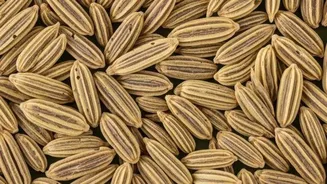
upward swing of glucose levels post-meal. Research, including a 2017 study in Food Science & Nutrition, suggests that cumin, even in its essential oil form, significantly lowered fasting blood sugar and HbA1c in adults with type 2 diabetes, pointing to an improved ability of the body to utilize glucose. Furthermore, studies summarized in a 2023 International Journal of Medical Research & Health Sciences review indicate that jeera acts as a digestive stimulant, promoting the secretion of necessary enzymes. This enhanced digestive process plays a crucial role in moderating the rate at which glucose enters the bloodstream, thereby preventing sharp post-eating surges. Beyond its direct impact on glucose metabolism, cumin's antioxidant properties are vital in combating chronic inflammation, a condition often intertwined with insulin resistance. By reducing oxidative stress, jeera water contributes to a healthier metabolic environment conducive to blood sugar stability. Its ability to slightly delay carbohydrate breakdown also helps manage blood sugar spikes, particularly after consuming starchy or refined foods. Lastly, the simple act of consuming warm jeera water aids in maintaining bodily hydration and supports a balanced metabolism, offering an indirect but beneficial contribution to overall blood sugar equilibrium, especially when integrated into a consistent morning routine.
Methi Water's Fibre Power
Methi water leverages the remarkable properties of fenugreek seeds, particularly their abundant soluble fiber content, to orchestrate a more controlled blood sugar response. The primary component, galactomannan, forms a viscous gel within the digestive tract, effectively slowing down the absorption of glucose into the bloodstream. This mechanism is strongly supported by scientific evidence; a comprehensive review and meta-analysis encompassing 14 clinical trials revealed that fenugreek consumption led to significant reductions in both HbA1c and fasting glucose levels among individuals managing diabetes. Additionally, fenugreek harbors a compound known as 4-hydroxyisoleucine, which research suggests may aid in stimulating insulin secretion in certain individuals, thereby facilitating the removal of excess glucose from circulation. Animal studies further corroborate these findings, indicating that the soluble fiber in fenugreek not only delays carbohydrate digestion but also enhances the body's peripheral glucose utilization, improving insulin action. The high fiber density of methi water also contributes to a prolonged feeling of fullness, known as satiety. This can be instrumental in curbing unnecessary snacking, a common culprit behind erratic blood sugar fluctuations throughout the day. Beyond its glycemic benefits, fenugreek has demonstrated broader metabolic advantages, including positive effects on lipid profiles. A study published in the British Journal of Nutrition noted reductions in harmful lipids like triglycerides and LDL cholesterol in diabetic rats, suggesting that methi water offers a more holistic approach to metabolic well-being alongside blood sugar management. Consequently, many individuals observe notable improvements in their fasting blood sugar levels when consuming methi water regularly on an empty stomach.
Choosing Your Best Brew
When weighing the benefits of jeera water against methi water for blood sugar control, it's clear that both offer distinct advantages through different pathways. Jeera water excels in promoting digestive health, mitigating inflammation associated with metabolic issues, and gently regulating glucose surges after meals. Its mechanism is more about improving how the body processes food and reduces stress factors impacting blood sugar. On the other hand, methi water presents a more direct and potent effect on lowering fasting blood glucose and improving HbA1c levels, primarily due to its rich soluble fiber content and compounds that appear to support insulin activity. If your aim is a daily, digestion-friendly approach to support your blood sugar, jeera water stands out as an excellent and accessible option. However, if your primary concern is more targeted blood sugar regulation, particularly concerning those fasting levels, methi water might offer a slight, evidence-backed edge. Ultimately, the most effective strategy often involves incorporating both beverages into a balanced lifestyle, recognizing their unique contributions to overall wellness.