






Bombay's Measured Pace
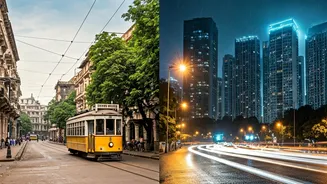
In the mid-20th century, Bombay was envisioned differently than the Mumbai we know today. A fascinating 1954 documentary, 'Good Manners,' produced by the Films
Division of the Government of India, paints a picture of a city where social graces and thoughtful interactions were paramount. This film underscored that a nation's cultural maturity is reflected in its daily conduct, highlighting how people treated each other and their surroundings. It presented examples of both considerate actions, like offering seats to those in need, and discourteous behavior, particularly in public spaces and workplaces. The documentary emphasized that basic courtesy, such as giving up a seat for a woman with an infant or an elder, and ensuring comfortable boarding for all, was the lubricant that kept the wheels of society turning smoothly. The underlying message was about living life deliberately, fostering patience, and appreciating the moments of quiet observation or engagement with a book, rather than being swept up in constant motion.
Modern Mumbai's Rhythm
Fast forward to contemporary Mumbai, and the transformation is palpable. The city, India's financial nerve center, is synonymous with an unyielding pace of life, a dynamic that has reshaped its very essence. This relentless drive is exemplified by cultural touchstones like the ubiquitous vada pav, a quick and convenient snack perfect for those on the move, whether commuting by bus, car, or the iconic local trains. While the spirit of ambition and growth continues to draw millions, the city has seemingly shed its capacity for pause. The thoughtful consideration and slower rhythm that characterized an earlier era have been largely eclipsed by the imperative to keep moving, to achieve more, and to adapt to the constant flux. This evolution, while a testament to Mumbai's enduring vitality, marks a significant departure from the gentle courtesies and measured interactions that once defined its social fabric.
The Loss of Pause
The divergence between the Bombay of yesteryear and the Mumbai of today is not merely about a change in manners but a fundamental shift in the very tempo of existence. The 1950s documentary's focus on consideration and patience stands in stark contrast to the modern 'maximum city' where expediency often trumps deliberation. While Mumbai remains a city celebrated for its often well-mannered citizens, there's an undeniable sense that its 'pause button' has been lost somewhere along the way. The hurried interactions, the on-the-go consumption, and the sheer density of activity all contribute to an environment where slowing down feels like a luxury few can afford. This energetic momentum, while propelling economic progress and innovation, has inadvertently led to a culture that prioritizes constant movement and productivity, often at the expense of reflective moments and a more unhurried engagement with life and fellow citizens.