




Low-Carb Diet Basics
Embarking on a low-carbohydrate eating plan involves significantly reducing your intake of sugars and starches while emphasizing protein, healthy fats,
and non-starchy vegetables. This approach can lead to various health benefits, including improved blood sugar control, weight management, and increased satiety. The core idea is to shift the body's primary energy source from glucose, derived from carbohydrates, to ketones, produced from fat. This metabolic shift, often referred to as ketosis, can be a powerful tool for individuals looking to enhance their overall well-being. It's crucial to understand that 'low-carb' is a spectrum, and individual needs can vary. Focusing on whole, unprocessed foods is paramount, ensuring that the fats consumed are healthy sources like those found in avocados, nuts, seeds, and olive oil, and that protein intake is adequate from sources such as lean meats, fish, and eggs. The careful selection of vegetables, prioritizing those that grow above ground, further enriches the diet with essential vitamins, minerals, and fiber, contributing to a balanced and sustainable way of eating. This foundational understanding sets the stage for exploring the practical application of low-carb principles in daily life.
Quick & Healthy Meals
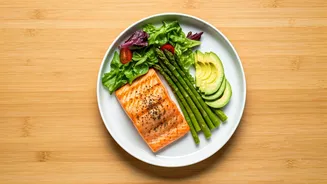
Maximizing your low-carb journey doesn't mean sacrificing time or flavor. Many delectable meals can be prepared swiftly, often in 20 to 30 minutes, making healthy eating accessible even on busy days. For instance, a Creamy Garlic Chicken & Broccoli Skillet offers a complete, satisfying meal in just 20 minutes. Similarly, dishes like One-Pot Garlicky Shrimp & Broccoli or Easy Eggplant Stir-Fry can be on your table in a flash. The convenience extends to lunch options, with recipes like Low-Carb, High-Protein Lunches designed for making ahead, ensuring you have nutritious fuel readily available. Even breakfast can be swift and substantial; Al Roker's high-protein, low-carb breakfast, featuring just five ingredients, exemplifies this. The emphasis is on simple preparations that highlight fresh ingredients, transforming everyday produce and proteins into vibrant, healthy dishes without extensive cooking times. This focus on speed and simplicity removes barriers to consistent healthy eating.
Nutrient-Rich Food Choices
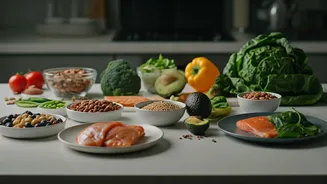
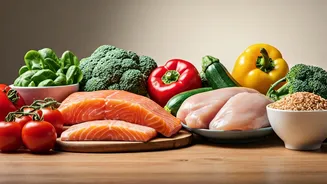
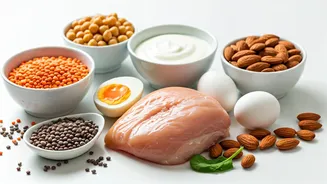
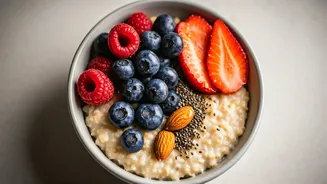
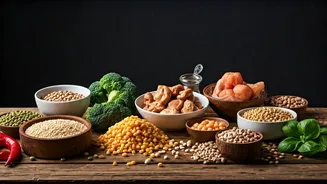
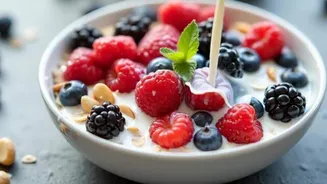
Building a low-carb diet rich in nutrients involves a mindful selection of foods that provide essential vitamins, minerals, and fiber without a high carbohydrate load. Vegetables are cornerstone of this approach, with excellent choices including broccoli, spinach, cauliflower, bell peppers, and Brussels sprouts. These offer a wealth of nutrients and can be prepared in numerous delicious ways, from simple steamed green beans to Sautéed Brussels Sprouts with Bacon & Onions. Fruits, while generally containing natural sugars, can be enjoyed in moderation, with berries often being a preferred choice due to their lower carb content and antioxidant properties. When considering protein sources, lean meats, poultry, fish, and eggs are excellent options that promote satiety and muscle health. Healthy fats are also crucial for energy and nutrient absorption, found in avocados, nuts, seeds, and olive oil. By prioritizing these nutrient-dense foods, individuals can ensure their low-carb diet is not only effective for their goals but also thoroughly nourishing and supportive of overall health and vitality.
Strategic Meal Planning
Effective meal planning is a cornerstone of successful low-carbohydrate eating, transforming the diet from a challenge into a manageable and enjoyable lifestyle. Creating a structured plan, such as a 30-day low-carb meal plan developed by a dietitian, provides a roadmap for daily nutrition. This involves strategizing for breakfast, lunch, and dinner, ensuring a balance of protein, healthy fats, and low-carb vegetables. For example, incorporating 16 Low-Carb, High-Protein Lunch Recipes to Make Ahead can simplify weekday lunches, while exploring options like 22 Low-Carb, High-Protein Dinners You’ll Want to Make Forever ensures exciting evening meals. When considering specific dietary needs or preferences, such as vegetarianism, 17 Cozy Low-Carb Vegetarian Casserole Recipes offer comforting and satisfying choices. This proactive approach minimizes impulsive, less healthy food choices and ensures consistent adherence to the low-carb principles, making it easier to achieve and maintain health objectives.