





Critical Minerals Mastery
This section explores the vital role of critical minerals in modern energy technologies and the global competition surrounding them, particularly in the context
of India's strategy. It clarifies the applications of minerals like cobalt, manganese, aluminium, and copper in sectors such as wind turbines and EV motors, highlighting their essentiality for battery performance and electricity networks. The explanation debunks common misconceptions about the pairing of specific minerals with their applications, emphasizing that while rare earth elements are crucial for wind turbine magnets and aluminium/copper for electricity, cobalt and manganese are primarily linked to battery performance rather than wind turbines directly. This detailed breakdown ensures a thorough understanding of the nuances in critical mineral usage for UPSC aspirants.
Lysosomal Disorders Insight
Delving into Lysosomal Storage Disorders (LSDs), this segment clarifies their nature as rare, inherited metabolic conditions impacting cellular functions due to enzyme deficiencies. It underscores the significant diagnostic and therapeutic hurdles these disorders present, especially in resource-limited nations like India. A key highlight is the establishment of a government-supported national biobank for a subset of these rare diseases, a critical step in advancing research and patient care. The section meticulously details that while LSDs cause toxic material accumulation in cells, leading to potential health crises, the assertion that no treatment exists for any LSD is inaccurate. Current research indicates that treatments are available for a fraction of these conditions, though often administered intermittently, stressing the ongoing need for advancements in therapies like gene therapy and greater focus on rare diseases.
Project Silica Explained
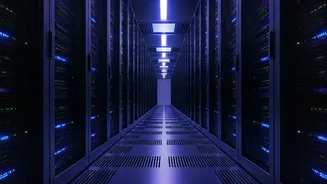
This section illuminates Project Silica, an ambitious initiative by Microsoft focused on revolutionizing data storage by utilizing glass as the medium. The core innovation lies in the ability of glass to preserve data for millennia, offering a stark contrast to the degradation and frequent replacement cycles of traditional storage devices like hard drives and tapes. Data is encoded and retrieved using specialized optical methods, with robotic systems and neural networks playing a crucial role in accessing information. The inherent durability of glass, its resistance to heat, humidity, and electromagnetic interference, makes it an exceptionally sustainable and robust long-term archival solution, potentially lasting up to 10,000 years. This advanced technology is critically relevant to the UPSC syllabus under emerging technologies and big data management.
CAR T-Cell Therapy
Focusing on CAR T-cell therapy, this segment details its groundbreaking role in cancer treatment as a form of immunotherapy. The process involves genetically engineering a patient's own T-cells in a laboratory to enhance their ability to identify and attack cancer cells. These modified T-cells are then reintroduced into the patient's body. The explanation clarifies that while CAR T-cell therapy has gained global approval, including in countries like the US and Europe, for specific blood cancers such as leukemia and lymphoma, it is not universally approved in India for all treatments. Furthermore, it emphasizes that the therapy's effectiveness is currently concentrated in treating certain hematological malignancies and is not equally effective across all cancer types, differentiating it from a universal cancer cure.
Lunar Eclipse Basics
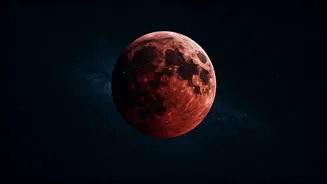
This section clarifies the astronomical phenomenon of a lunar eclipse, debunking common misconceptions. It precisely explains that a lunar eclipse occurs when the Earth positions itself directly between the Sun and the Moon, casting its shadow onto the lunar surface. This celestial alignment can cause the Moon to appear dimmer or take on a reddish hue, often referred to as a 'Blood Moon.' The explanation refutes the notion that lunar eclipses happen annually worldwide and are always visible from India, clarifying that while they occur a few times each year globally, their visibility is geographically dependent. Therefore, not all lunar eclipses are observable from India, making specific occurrences noteworthy.