



Crafting Your Chips
Creating homemade dark chocolate chips is an accessible and rewarding endeavor, especially for those prioritizing healthier ingredients. The process typically
involves melting key components in a double boiler to ensure a smooth texture and prevent scorching. You'll combine ingredients like cacao or cocoa powder, a sweetener such as honey or maple syrup, and a binder like arrowroot or tapioca starch. Coconut oil often serves as the base, contributing to the texture and helping the chips solidify. Careful attention must be paid to avoid any water entering the mixture, as this can cause the chocolate to seize and become unusable. Once melted and thoroughly combined, the mixture is poured into a prepared pan, often lined with parchment paper, and then chilled for several hours until firm enough to cut or shape. The resulting chips can be stored in an airtight container in the refrigerator or freezer, offering a readily available treat.
Ingredient Spotlight
The core components of these homemade dark chocolate chips are chosen for their purity and health benefits. Cacao or cocoa powder forms the rich chocolate base, providing antioxidants and a deep flavor. Sweeteners like honey or maple syrup offer natural sweetness without the harshness of refined sugars, fitting into paleo and refined sugar-free lifestyles. Arrowroot or tapioca starch acts as a crucial thickener, helping to bind the ingredients and contribute to the final texture, preventing the chips from becoming too crumbly or too soft. Coconut oil is frequently used as the primary fat, offering a creamy texture and aiding in the solidification process when chilled. Vanilla extract is often added to enhance the overall flavor profile, providing a subtle aromatic complexity. These carefully selected ingredients ensure the final product is not only delicious but also aligns with specific dietary needs, making it a guilt-free indulgence for various dietary preferences.
Texture and Usage
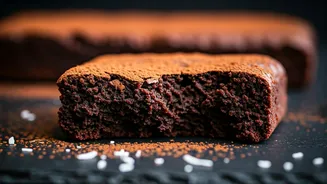
Homemade dark chocolate chips often possess a wonderfully unique texture that differs from their store-bought counterparts. While they may not achieve the perfectly uniform "chip" shape, their slightly chewier consistency is a testament to their natural ingredients. This texture is largely influenced by the use of coconut oil and the addition of a starch like arrowroot, which helps them hold their form when chilled but also allows them to melt delightfully in the mouth or in baked goods. When incorporated into recipes, such as cookies or muffins, they provide rich pockets of chocolatey flavor. While some bakers note they might not spread identically to commercial chips, the taste and quality more than compensate. Storing them in the freezer ensures they remain firm and ready for use, making them a versatile ingredient for both baking and enjoying as a standalone sweet treat.