






Nourish Your Eyes
Consuming a diet rich in specific vitamins and antioxidants is fundamental for maintaining optimal vision and warding off age-related eye conditions. Incorporating
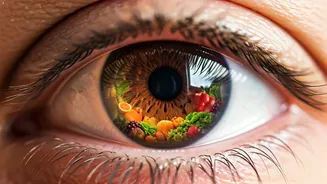
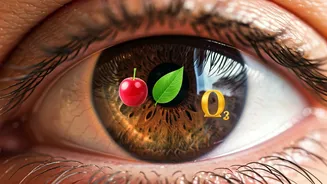
leafy green vegetables like spinach and kale provides lutein and zeaxanthin, essential compounds that help shield the retina from damaging light. Brightly colored produce such as carrots, sweet potatoes, and pumpkin are excellent sources of beta-carotene, which is crucial for improving night vision. Fatty fish like salmon and sardines offer beneficial omega-3 fatty acids that support the health of the retina and can alleviate symptoms of dry eyes. Furthermore, citrus fruits and berries, packed with Vitamin C, play a role in slowing the progression of cataracts, while nuts and seeds contribute Vitamin E and zinc, both vital for protecting eye cells from oxidative stress. A well-rounded nutritional approach is a cornerstone of preserving visual acuity and preventing ocular disease.
Screen Time Strategies
Prolonged exposure to digital screens can lead to considerable eye strain and dryness. To counteract this, experts advocate for the widely recognized 20-20-20 rule. This practice involves taking a break every 20 minutes to gaze at an object situated at least 20 feet away for a minimum of 20 seconds. This simple habit allows the eye's focusing muscles to relax and reduces the discomfort associated with extended screen use. Additionally, consciously increasing your blink rate is vital; people tend to blink significantly less when engrossed in digital devices, which can exacerbate dry eyes. Aim to blink deliberately every few seconds, especially during computer or smartphone usage. Ensuring adequate and quality sleep, ideally 7-9 hours per night, is also paramount, as it allows your eyes to repair and regenerate, preventing issues like dryness, twitches, and blurred vision. A dark, quiet, and screen-free sleep environment promotes deeper, more restorative rest.
Hydration and Protection
Maintaining sufficient hydration throughout the day is crucial for preventing dry eyes and blurred vision, which can be exacerbated by dehydration. Aim to consume at least 8-10 glasses of water daily to ensure your body and eyes remain adequately hydrated. It's also advisable to limit your intake of caffeine and alcohol, as these substances can contribute to dehydration and negatively impact eyesight. Beyond internal health, external protection is equally important. When venturing outdoors, always wear sunglasses that offer UV protection. This measure significantly reduces the risk of long-term damage to the eyes, including cataracts and retinal degeneration, thereby safeguarding your vision against harmful ultraviolet rays.
Exercise Your Eyes
While eye exercises may not permanently correct refractive errors like myopia or hyperopia, they are highly effective in enhancing eye comfort, flexibility, and focus, particularly for those experiencing strain from digital devices. Simple yet potent exercises include blinking rapidly 10-15 times, followed by a short rest with closed eyes, repeated several times to refresh and lubricate. Eye rolling, performed slowly in both clockwise and counterclockwise directions, improves blood circulation to the eyes and strengthens ocular muscles. Focus shifting involves alternating gaze between a near object (like your thumb about 10 inches away) and a distant object, which boosts the flexibility of the eye's lens. The near and far focus exercise is similar, reinforcing the eye's ability to adjust its focus. Regular practice of these exercises, alongside good posture and proper lighting when reading or working, can substantially alleviate eye fatigue and improve visual well-being.