






Understanding Healthy Choices
Many people seek to lead healthier lives, but often encounter confusion about where to start. The initial step is recognizing that a healthy lifestyle
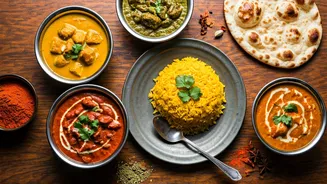
is a combination of factors, including balanced nutrition, regular exercise, adequate rest, and stress management. In India, cultural traditions significantly impact food habits, with diverse regional cuisines influencing dietary patterns. A balanced diet should include a variety of foods, such as fruits, vegetables, whole grains, lean proteins, and healthy fats. Portion control and mindful eating are also crucial. Regular physical activity, such as walking, running, or yoga, is essential for maintaining physical fitness and mental well-being. Finding activities that one enjoys makes it easier to stay consistent. Adequate sleep is vital, as it allows the body to repair and rejuvenate. Stress management techniques, such as meditation and deep breathing, are beneficial for overall health. A holistic approach, that integrates physical, mental, and emotional well-being, is the foundation for a sustainable healthy lifestyle, which aligns well with the holistic philosophies prevalent in India.
Effective Fitness Regimen
Developing a suitable fitness regimen is crucial for maintaining physical health. The ideal workout routine should align with individual fitness levels, preferences, and goals. Before starting any new exercise program, it's wise to consult a healthcare professional. A balanced fitness plan combines cardiovascular exercises, strength training, and flexibility training. Cardiovascular exercises, like brisk walking, cycling, or swimming, enhance heart health and endurance. Strength training builds muscle mass and boosts metabolism, which can be accomplished using weights, resistance bands, or bodyweight exercises. Flexibility training, such as yoga or stretching, improves range of motion and reduces the risk of injuries. In India, adapting exercise routines to local resources is often beneficial. For example, utilizing parks for walking or outdoor yoga classes is a budget-friendly option. Consistency is a key factor; aim for at least 150 minutes of moderate-intensity or 75 minutes of vigorous-intensity exercise each week. Gradually increase the intensity and duration of workouts to challenge the body progressively. Listen to your body and incorporate rest days for recovery. Incorporating these elements ensures an effective fitness regimen that supports a healthy lifestyle in the Indian context.
Nutrition and Dietary Habits
Nutrition plays a pivotal role in overall health, and adopting healthy dietary habits can prevent various diseases. A balanced diet should consist of a variety of nutrient-rich foods, including fruits, vegetables, whole grains, lean proteins, and healthy fats. Fruits and vegetables are rich in vitamins, minerals, and antioxidants, which protect the body from damage. Whole grains provide fiber and sustained energy. Lean proteins, such as poultry, fish, and legumes, support muscle growth and repair. Healthy fats, found in avocados, nuts, and olive oil, are essential for brain function and cell health. Managing portion sizes is vital, as overeating can lead to weight gain and related health issues. Cultural food habits in India are diverse, and incorporating local ingredients is practical. For instance, including lentils, rice, and regional vegetables enriches the diet. Minimizing the consumption of processed foods, sugary drinks, and excessive fats is essential. Stay hydrated by drinking plenty of water throughout the day. Dietary modifications should consider individual needs, such as managing specific health conditions or food allergies. Making informed and mindful food choices enables you to sustain a nutritious diet which supports a healthy lifestyle.
Managing Mental Well-being
Mental well-being is as crucial as physical health. Stress, anxiety, and depression can negatively impact overall health, emphasizing the need for effective mental health management. Recognizing and understanding mental health challenges is the first step toward promoting well-being. Practicing mindfulness and meditation can help manage stress and improve mental clarity. Regular exercise releases endorphins, which boost mood and reduce stress. Maintaining a strong social support network is essential; connecting with friends and family provides emotional support. In India, incorporating cultural practices like yoga and spiritual practices can promote mental well-being. Creating a balanced work-life environment and ensuring sufficient rest are also vital. When needed, seeking professional help from a therapist or counselor is a sign of strength and self-care. Prioritizing mental well-being allows you to navigate life's challenges more effectively and supports a balanced, healthy lifestyle.
Common Health Concerns
Familiarizing yourself with common health issues can guide informed actions. Cardiovascular diseases, diabetes, and certain types of cancer are prevalent concerns. Regular health check-ups and screenings are crucial for early detection and prevention. Maintaining a healthy weight, exercising regularly, and following a balanced diet can reduce the risk of heart disease and diabetes. In India, awareness of specific health issues like dengue and malaria is essential, especially in certain regions. Practicing preventive measures, such as using mosquito nets and maintaining hygiene, can minimize risks. Understanding the symptoms of these conditions and seeking timely medical attention are vital. Education and awareness programs play a significant role in improving public health. Engaging in proactive health management through preventative measures, regular check-ups, and seeking professional guidance contributes to comprehensive well-being and a healthier life.