







Powering Up in Space
Protecting the crucial power generation systems onboard satellites is paramount for sustained operations in the harsh conditions of space. SCHOTT has unveiled
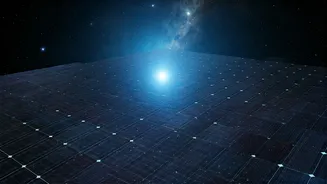
a high-performance cover glass specifically engineered for the next generation of space solar cells. These solar cells are the lifeblood of many space-faring assets, as they convert sunlight into electricity, and their efficient operation directly impacts the satellite's capabilities and longevity. The cover glass plays a critical role in safeguarding these cells from the dangers of the space environment, including high-energy radiation, micrometeoroids, and extreme temperature fluctuations. The development of advanced cover glass technologies represents a crucial step forward in improving the reliability and operational lifespan of satellites, ultimately contributing to more sustainable and dependable space missions. This progress is essential as the demand for satellite services continues to surge, from communications and earth observation to scientific research and space exploration, driving the need for increasingly robust and durable space infrastructure.
Ground Segment's Evolution
The ground segment, which includes the infrastructure and services that support satellite operations, is undergoing a substantial transformation. The $106 billion ground segment market is transitioning towards a more service-driven model. This evolution signifies a shift away from traditional, hardware-focused approaches and toward more flexible, software-defined systems. These new systems offer enhanced capabilities, such as greater agility and adaptability to changing mission requirements. They also enable more efficient resource allocation and cost optimization. The service-driven approach prioritizes the provision of specific services rather than simply selling equipment. This change promotes innovation, as companies focus on developing advanced service offerings. These can cater to the evolving needs of satellite operators and end-users alike. Such changes are also being influenced by the rise of data analytics, cloud computing, and artificial intelligence, all of which are integrated into ground segment operations to enhance performance and extract greater value from satellite data.
Zero-G Simulation Results
OneLink™ prototype underwent validation through a zero-G simulation. The validation of the OneLink™ prototype in a zero-G environment marked a significant milestone, indicating its readiness for real-world space applications. Zero-G simulations, often conducted using specialized aircraft or facilities, replicate the conditions found in space and allow engineers to assess the performance and reliability of various components and systems under extreme conditions. Success in these simulations provides confidence in the design and operation of the prototype. It also paves the way for further testing and integration in actual satellite missions. This meticulous validation process is crucial to ensure the safety and success of satellite operations, as any failure in space could lead to significant financial losses or endanger human lives. The findings derived from this simulation are expected to contribute to the development of more efficient and reliable satellite systems, driving advancements across several fields.