






The Vanishing Quiet
Once cherished for their peaceful ambiance, popular Indian hill stations like Manali, Kasol, and Chopta are now grappling with overwhelming tourist numbers.
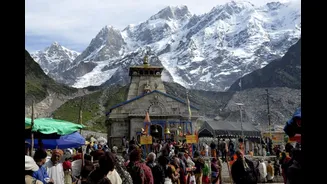
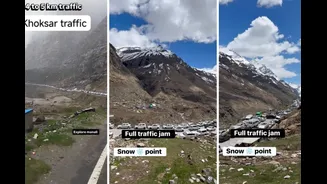
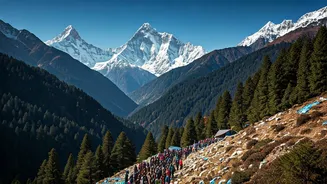
What was once a sanctuary for nature lovers is increasingly resembling bustling city centers. A viral online post articulated this sentiment vividly, lamenting how destinations once defined by the sound of flowing rivers are now dominated by blaring music, congested roads, and a general loss of tranquility. This phenomenon isn't just about visitor numbers; it's a symptom of a deeper societal shift where once-remote locations are being reshaped by accessibility, digital trends, and a post-pandemic urge for quick getaways. The delicate balance of these fragile mountain ecosystems is being tested, leading to concerns about environmental degradation, resource scarcity, and the erosion of local culture, forcing residents to confront a changing way of life.
From Offbeat to Overwhelmed
The Indian tourism landscape has dramatically shifted over the past decade. Destinations that were once exclusive to intrepid backpackers and slow travelers seeking solitude are now inundated with visitors, often drawn by viral social media content. A decade ago, places like Shimla and Nainital were the primary summer destinations. However, the allure of 'offbeat' locations such as Tirthan Valley, Kasol, and Chopta grew significantly, attracting those who valued nature and minimal commercialization. The advent of Instagram influencers, YouTube vloggers, and short-form video content has amplified the visibility of these spots exponentially. A single viral reel showcasing a hidden waterfall or a quaint mountain cabin can lead to thousands of travelers flocking to a previously obscure village within mere weeks. This surge is evident in statistics, with millions visiting Uttarakhand and Himachal Pradesh annually, transforming these once-quiet retreats into popular, and often overcrowded, tourist hubs.
Connectivity's Double Edge
The improvement in infrastructure, particularly road connectivity, has been a significant driver behind the increased accessibility and subsequent influx of tourists to the Himalayas. Enhanced highways, expanded road networks, and a rise in car ownership have made weekend road trips to the mountains more feasible than ever before. Projects like the Rs 12,000 crore Char Dham Highway Development Project in Uttarakhand, aimed at improving all-weather connectivity to important pilgrimage sites, involve widening extensive stretches of roads and constructing tunnels and bridges. Similarly, the Delhi-Dehradun Expressway promises to drastically cut travel time. In Himachal Pradesh, the Kiratpur-Manali Highway further streamlines access to popular valleys. While this enhanced connectivity has undoubtedly boosted local economies by creating employment and opening up new markets, it has also facilitated the rapid expansion of tourism, often beyond the carrying capacity of these fragile mountain regions.
Strained Resources, Eroding Culture
Himalayan towns, many of which were not originally designed to accommodate large populations, are now facing immense pressure from the surge in tourism. Limited water resources, fragile road systems, and underdeveloped waste management networks are struggling to cope. In Uttarakhand, over 12,000 natural springs, crucial for 90% of the rural population, have reportedly dried up due to environmental changes. In Himachal Pradesh, inadequate drainage systems contribute to substantial annual road damage, with losses mounting into thousands of crores. Waste management is another critical issue, with plastic constituting a significant portion of refuse, often ending up in rivers or being burned openly. Furthermore, the rapid growth of infrastructure, including unplanned construction of roads and buildings, is exacerbating the ecological sensitivity of the Himalayas, increasing risks of landslides and soil erosion. The boom in homestays and hotels, while economically beneficial, is frequently occurring without adequate environmental safeguards, putting further strain on local resources and the delicate mountain ecosystem.
The Digital Echo Chamber
The post-pandemic era has seen a significant acceleration in travel trends, with social media platforms playing a pivotal role. A heightened desire for short leisure trips, remote work opportunities, and weekend escapes has been amplified by the digital sphere. Travel influencers and content creators have become powerful shapers of tourism, capable of transforming a 'hidden gem' into a crowded destination overnight. The concept of 'offbeat travel' often evaporates once a place gains viral popularity. Villages that once welcomed a handful of travelers weekly now experience heavy footfalls during nearly every long weekend. For a younger generation of tourists, destinations are increasingly viewed as backdrops for social media content, with drone shots, aesthetically pleasing cafes, and 'secret spots' becoming central to the travel experience and marketing strategies. This digital-driven tourism cycle prioritizes visual appeal and shareability, sometimes at the expense of the authentic experience and the environment.
Economic Boon and Bust
Tourism has undoubtedly brought significant economic benefits to Himalayan towns, creating new avenues for income through homestays, cafes, taxi services, and adventure activities. Many villages have diversified their income sources, moving beyond traditional agriculture. For instance, registered homestays in Uttarakhand offer subsidies, providing a stable income and promoting rural tourism, while Himachal's tourism sector contributes substantially to its GDP. The growth in adventure tourism like trekking and skiing has boosted demand for local guides and support staff. However, this economic boom comes with challenges. Property prices and rents in popular tourist areas have surged, making them unaffordable for some locals. The seasonal nature of tourism can also lead to uneven income distribution, with periods of intense overcrowding followed by quieter off-seasons. Some residents express concern that rapid commercialization might dilute the cultural identity and the unhurried pace that originally drew people to these destinations. Yet, for many business owners, tourism remains a vital economic lifeline in regions with limited employment alternatives.
Seeking Sustainable Paths
The prevailing discourse around tourism in the Himalayas is shifting from outright prohibition to a focus on more effective management strategies. Experts emphasize the concept of 'carrying capacity,' which defines the maximum number of visitors a destination can sustain without detrimental environmental or infrastructural impact. Several Indian states are exploring stricter waste management protocols, parking regulations, and eco-tourism policies, alongside enhanced monitoring of construction in ecologically sensitive zones. However, putting these measures into practice, especially during peak tourist seasons when visitor numbers surge dramatically, presents a significant hurdle. The fundamental challenge for Himalayan states lies in balancing continued tourism growth with the preservation of the very natural landscapes that attract travelers, ensuring that these precious destinations remain viable and vibrant for future generations.