






Planning Your Visit
Deciding on the perfect time to visit Angkor Wat is key to a rewarding experience. The ideal time to visit the temple complex is during the dry season,
which typically runs from November to April. During these months, you can expect sunny days and minimal rainfall, making it ideal for exploring the temples. Consider avoiding the peak tourist season in December and January to minimize crowds. The shoulder seasons, such as November and February, offer a good balance of pleasant weather and fewer tourists. The wet season, from May to October, brings heavy rainfall and can make certain areas difficult to navigate. However, the lush greenery during this time also offers a different perspective on the landscape. Make sure to consider that the weather can impact your travel plans, so plan accordingly to make the most of your visit.
Essential Angkor Wat Tips
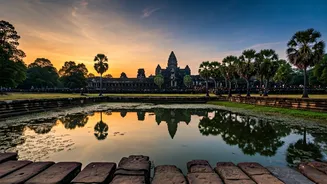
To make the most of your visit, it’s beneficial to know some important points. Firstly, dress respectfully when visiting the temples; this means covering your shoulders and knees. This is a sign of respect for the local culture and religious significance of the site. Secondly, start your day early to avoid the midday heat and crowds. The sunrise at Angkor Wat is a particularly magical experience. Also, hiring a local guide can enhance your understanding of the history and significance of the temples. Guides can provide valuable insights and context that you might miss otherwise. Remember to bring plenty of water to stay hydrated, especially during the hotter months. Take advantage of opportunities to try local cuisine and interact with the local communities, and keep an open mind when experiencing a new culture.
Unmissable Angkor Wat Activities
Angkor Wat offers a wealth of activities. The primary attraction is the temple of Angkor Wat itself, renowned for its intricate carvings and stunning architecture. Exploring this temple is an absolute must, and plan to dedicate at least a few hours to thoroughly appreciate it. Beyond Angkor Wat, don't miss Angkor Thom, which houses the Bayon temple with its enigmatic smiling faces. Another essential site is Ta Prohm, the temple famously intertwined with tree roots. It's a visually stunning spectacle. Exploring the outer temples, such as Banteay Srei, can provide a deeper understanding of Khmer art and architecture. The options range from sunrise viewing to exploring the temple complexes, experiencing local culture, and observing the meticulous carvings.
Getting Around & Cost
Getting around Angkor Wat is generally accessible. Tuk-tuks are a convenient and affordable way to travel between the temples. They are readily available and can be hired for a day of exploring. Bicycles are also a popular option, especially for those who want a more immersive experience. Renting a bicycle allows you to explore the temples at your own pace and enjoy the surrounding scenery. Car and driver services are available if you prefer a more comfortable and air-conditioned option. When it comes to the cost, entrance fees are required for the temples, and it is advisable to check the current rates and options at the visitor's center. Remember to factor in transportation costs, food, and other expenses when planning your budget.
Cultural Etiquette Reminder
Maintaining proper cultural etiquette is important for visitors. Dress modestly, covering shoulders and knees, to show respect for the religious site. Refrain from public displays of affection, and always ask for permission before taking photographs of people. Be mindful of local customs, such as removing your shoes before entering certain areas, especially temples. Bargaining is common in local markets, but do so respectfully. Be polite, and avoid being overly aggressive. Appreciate and value the local culture. It’s important to treat locals with respect and sensitivity. These considerations enhance your experience, helping you connect and understand the local culture.