







Origins and Evolution
The term 'Chor Bazaar,' meaning 'thieves market,' carries a complex history, evolving from the colonial era. Initially, the moniker might have been associated
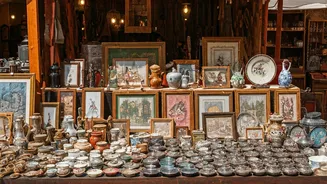
with goods that were acquired through questionable means. As these markets gained prominence, they became centers for a diverse range of items, often including secondhand goods and antiques. The character of these bazaars has shifted through time, with some adapting to modern consumer preferences. Over time, the name 'Chor Bazaar' has become less about the origins of the items and more about the diverse and often unusual array of goods available at bargain prices. Chandni Chowk in Delhi and markets near Dal Lake in Srinagar offer distinct examples, each having its unique charm rooted in local history and tradition. Their long existence highlights their enduring appeal, attracting both locals and tourists eager to experience a slice of India's commercial past.
Chandni Chowk’s Bazaar
Chandni Chowk, one of the oldest and busiest markets in Old Delhi, provides a prime example of a 'Chor Bazaar'. Its historical significance is immense, reflecting centuries of trade and cultural exchange. Situated near the Red Fort, its origins are linked to the Mughal period. The bazaar's layout includes narrow lanes and a sprawling marketplace, fostering a unique shopping experience. Chandni Chowk provides a kaleidoscope of goods, from clothing and jewelry to electronics and handicrafts. Its appeal extends beyond shopping, as the area is famed for its street food and cultural landmarks. The constant activity creates a vibrant and bustling atmosphere. In Chandni Chowk, buyers are offered unique bargaining experiences, adding to the intrigue of exploration. This marketplace epitomizes the blend of commerce, history, and culture that makes Indian 'Chor Bazaars' so interesting.
Dal Lake’s Markets
The markets near Dal Lake in Srinagar offer a different atmosphere, reflecting Kashmir’s unique cultural context. Situated in the picturesque setting of Dal Lake, the 'Chor Bazaar' here offers a wide range of products that are characteristic of the region. Visitors will find traditional Kashmiri handicrafts, including shawls, carpets, and wooden artifacts, reflecting the local artisanal skills. The experience of shopping by the lake adds a visual and sensory dimension to the experience, which makes shopping even more pleasurable. This market offers opportunities to engage in unique cultural experiences. These bazaars offer visitors a chance to experience the region's traditions and appreciate the beauty of Kashmir. It demonstrates the diversity of the 'Chor Bazaar' concept. The scenic location enhances the appeal and provides a distinctive experience.
Cultural Significance
Beyond commerce, these markets hold great cultural importance. They function as living museums, preserving traditions and serving as a bridge between the past and present. They represent a dynamic form of cultural preservation, as they host items that reflect the history of local communities. Local craftsmanship and traditional skills are usually found here, enabling artisans to find a place to showcase their work. They also provide economic opportunities for traders and artisans. These markets foster connections within the community, becoming spaces for cultural exchange and interaction. These bazaars provide a deeper understanding of India’s past, and contribute to the country's rich cultural fabric. Therefore, they are not only marketplaces, but also important cultural institutions.
Shopping Experiences
Shopping in these markets provides a unique experience. They are known for their bargaining culture, and they enable shoppers to interact directly with vendors, creating memorable interactions. The wide range of goods caters to various tastes and budgets, offering affordable items to high-value collectibles. These markets offer opportunities for discovery, as vendors sell items not available in conventional retail settings. The experience is often as much about the discovery of special finds. The atmosphere is bustling and lively, which provides shoppers with a vibrant experience. These markets offer a taste of local culture and traditions. For many shoppers, the thrill of the hunt and the potential to uncover hidden treasures is a large part of the appeal. It's a space where buyers can find a variety of items, which creates an exciting atmosphere.
Modern Adaptations
As India develops, the 'Chor Bazaars' must adapt to change. Some markets are embracing online platforms to reach wider audiences. Others enhance their appeal by focusing on specialized items. The challenge lies in balancing tradition with modernity while preserving the markets' essence. These efforts include better organization and cleanliness. They focus on maintaining an authentic experience for their customers. The future success of these bazaars depends on their capability to provide the authenticity and character that makes them so special. Many are seeking to modernize while retaining their traditional charm. Adapting is crucial to remain relevant in a changing world. It's key to sustain these markets for future generations.