





The Overnight Transformation
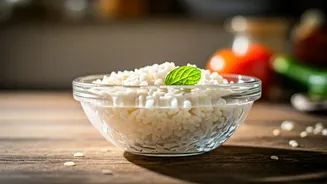
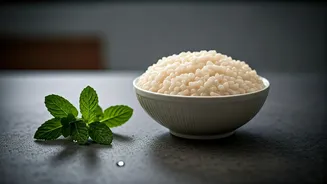
The magic of fermented rice begins with a simple overnight soak. Cooked rice left to sit in water at room temperature overnight undergoes a natural lactic
acid fermentation. This process, far from being a sign of spoilage, is a biological marvel where beneficial bacteria, primarily Lactobacillus, work their wonders. They begin to break down complex carbohydrates and reduce anti-nutritional factors naturally present in rice. By morning, this humble staple is transformed into a more digestible and nutrient-rich food, teeming with live probiotics. The slight tanginess you notice is a direct indicator of this healthy bacterial activity, signifying that the rice is not only easier on your digestive system but also more nutritious, a testament to time-honored wisdom turning leftovers into a potent health elixir.
A Nutritional Powerhouse
Fermented rice offers a significant nutritional upgrade compared to its unfermented counterpart. The fermentation process actively enhances the bioavailability of key minerals like iron and calcium, making them more readily absorbed by the body. Beyond mineral absorption, studies reveal a boost in protein content and a notable increase in essential B vitamins, including thiamine, riboflavin, niacin, and even vitamin B12, which is particularly beneficial for vegetarian and vegan diets. This ancient practice also helps to decrease levels of anti-nutritional compounds that can interfere with nutrient uptake. The result is a more complete nutritional profile, making fermented rice a convenient and effective way to support overall dietary intake and unlock energy-boosting goodness without extensive preparation.
Probiotics for Gut Health
In an era where gut health is paramount, fermented rice stands as a long-established probiotic champion. It is a rich source of Lactobacillus bacteria, mirroring the benefits found in popular fermented foods like yogurt, kefir, and kombucha. These beneficial microorganisms play a crucial role in bolstering digestive function, strengthening the immune system, and promoting a balanced gut microbiome. Research suggests that regular consumption can alleviate common digestive complaints such as bloating and constipation, and has even been traditionally employed to address issues like abdominal pain. By facilitating the breakdown of starches, fermented rice enhances digestibility, which in turn supports a healthier gut environment, positively influencing everything from mood to the body's ability to fend off illness.
Summer's Cooling Elixir
The tradition of consuming fermented rice during summer months is deeply rooted in its physiological benefits for combating heat. This dish is inherently cooling, hydrating, and incredibly light on the stomach, making it an ideal choice when temperatures soar. Its high water content contributes significantly to maintaining hydration levels, a vital aspect of summer well-being, which is why it was historically favored by laborers. The lactic acid produced during fermentation also contributes to a measurable internal cooling effect on the body, providing genuine relief from the heat. Furthermore, the enhanced immunity supported by the beneficial bacteria and the antioxidants generated during fermentation aid the body in managing oxidative stress and recovering from infections more efficiently, making it a true summer superfood.
Traditional Serving Styles
Fermented rice is enjoyed across India in diverse regional variations, each offering a unique culinary experience. In Bengal, the classic 'Panta Bhat' is typically served cold with minimal accompaniments like chopped onions, green chilies, a dash of mustard oil, and curd, sometimes prepared in a clay pot to enhance fermentation. Tamil Nadu's 'Pazhaya Sadam' often features a thinner buttermilk (mor) base, tempered with curry leaves and dried red chilies for an aromatic kick, and is frequently paired with a tangy piece of raw mango or pickle. Odisha's 'Pakhala Bhat,' celebrated with its own dedicated day, is commonly enjoyed with 'Saga Bhaja' – a simple stir-fried green dish. These preparations highlight how fermented rice can be adapted to local tastes, providing a refreshing and nourishing meal perfectly suited for warm weather.