




Audio-First Integration
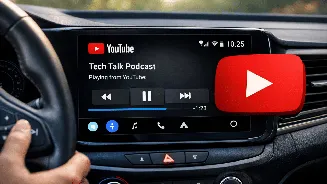
Android Auto is officially rolling out YouTube support, a feature long anticipated by users. However, this integration is not a full-fledged video experience
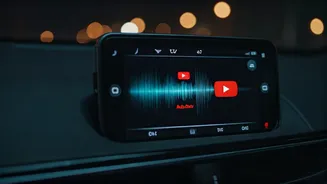
for safety reasons. While you can play, pause, and skip tracks, the visual aspect of YouTube is entirely absent from the car's display. Instead, YouTube functions much like other audio streaming services such as YouTube Music or Spotify within Android Auto. This means you'll be listening to podcasts, music, or spoken-word content, rather than watching videos. The absence of video playback, browsing capabilities, and a full-screen player is a deliberate decision to prevent driver distraction and ensure road safety. For many, this audio-only approach can still enhance commutes by providing access to a vast library of spoken-word content and music playlists that users have come to love on the platform, transforming long drives into more engaging listening experiences.
Premium Subscription Necessity
A key requirement for leveraging this new YouTube integration on Android Auto is a YouTube Premium subscription. This necessity stems from the way Google is enabling playback, which relies on background audio functionality. Without a Premium membership, users will not be able to control YouTube playback through Android Auto. This means that essential features like playing content on demand or managing your listening experience while on the move are gated behind the subscription service. For Indian drivers, this presents a particular consideration, as the recently introduced YouTube Premium Lite subscription, available for Rs 89 per month, offers background playback and offline downloads, aligning with the requirements for Android Auto integration. This move by Google underscores the growing trend of bundling enhanced features with subscription services for a more seamless and integrated user experience.
Future Possibilities & Safety
While the current rollout focuses on audio playback, Google has previously hinted at broader video app support for Android Auto, specifically when the vehicle is parked. This suggests that the company is exploring ways to bring video content to car infotainment systems without compromising safety. The current audio-only approach is a measured step, prioritizing the immediate needs of drivers and adhering to strict safety protocols. It’s a solution that acknowledges the desire for YouTube access on the go, while carefully managing the potential risks associated with in-car video consumption. The development indicates a phased approach to integrating richer media experiences, with parked-car video likely to be a feature in future updates once robust safety measures are fully implemented and tested, offering a glimpse into a more comprehensive entertainment system for vehicles.