







Fatty Liver's Sweet Cause
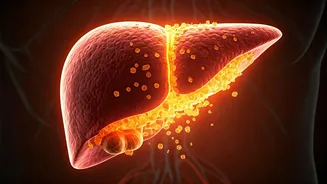
Excessive sugar intake, particularly from high-fructose corn syrup found in beverages and processed foods, is a primary driver of non-alcoholic fatty liver
disease (NAFLD). This condition, marked by fat accumulation in the liver, has been linked to consuming even one sugar-sweetened beverage daily. Disturbingly, research suggests that both sugary drinks and artificially sweetened beverages may elevate the risk of NAFLD. The gut microbiome also plays a role, acting as an intermediary between diet and liver health. Significantly reducing added sugar consumption is crucial to mitigate the progression of this disease.
Metabolic Mayhem Unleashed
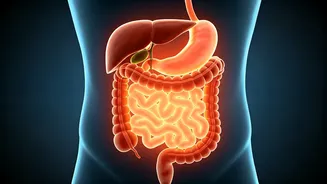
Sugar significantly impacts gut health by altering the delicate balance of microorganisms, leading to increased intestinal permeability, or 'leaky gut.' This allows substances to enter the bloodstream, potentially triggering chronic inflammation linked to obesity and metabolic disorders. Studies indicate that sugar-sweetened sodas may accelerate cellular aging and contribute to metabolic diseases, with one study finding shorter telomeres in soda drinkers. Furthermore, regular consumption of sugary drinks has been associated with greater accumulation of visceral fat, a key risk factor for metabolic disease, while diet soda did not show this effect.
Diabetes Development Accelerated
Consuming an additional 150 calories of sugar daily, roughly equivalent to a can of soda, elevates the risk of developing type 2 diabetes by 1.1 percent. This heightened risk persists even when accounting for other dietary habits and lifestyle factors like sedentary behavior or alcohol consumption. Research consistently demonstrates sugar's potent effect on increasing diabetes risk, underscoring the need to limit intake to prevent this chronic condition.
Cancer Risk Escalated
Added sugars have been linked to an increased risk of several cancers. For instance, they raise the likelihood of esophageal cancer and increase fructose's role in small intestine cancer. High intake of added sugars is also associated with a greater risk of colon cancer, independent of weight or diabetes status. Animal studies suggest sucrose can promote breast cancer growth and metastasis, with fructose implicated in lung metastasis. Human studies confirm that greater consumption of liquid sugars is linked to a higher risk of developing cancer and cancer-related mortality. Additionally, higher intake of added sugars and sweetened beverages has been positively associated with an increased risk of pancreatic cancer.
Weight Gain Trigger
Sugary drinks and processed foods contribute significantly to excess calorie intake without providing essential nutrients. These 'empty calories' from sugar are often stored as fat, leading to weight gain and increasing the risk of obesity and related chronic diseases. The consumption of high amounts of added sugar causes sharp fluctuations in blood sugar and insulin levels, hormones that regulate appetite and fat storage, ultimately prompting overeating and sustained weight gain.
Tooth Decay's Sweet Enemy
Sugar poses a direct threat to oral health by feeding mouth bacteria, which then produce acid that erodes tooth enamel. This process leads to cavities and tooth decay over time. Studies show a significant correlation between higher sugar intake from sugar-sweetened beverages and an increased prevalence of untreated decay in permanent teeth. Research on children has also directly linked increased dietary sugar intake to a greater proportion of decayed tooth surfaces, emphasizing the importance of limiting sugary foods and drinks for maintaining a healthy smile.
Heart Disease Culprit
While dietary fat is often blamed for heart disease, sugar is frequently the actual instigator. Ingesting excessive added sugar significantly raises the risk of dying from cardiovascular disease (CVD). Research indicates that diets with a higher proportion of sugar negatively impact metabolic profiles, including body weight and lipid parameters, thereby increasing CVD risk. Added sugars can drive heart disease through insulin resistance and hyperinsulinaemia. Most adults consume far more added sugar than recommended, increasing their susceptibility to heart problems.