







Ghee's Significance Examined
Ghee, a clarified butter, plays a crucial role in Indian cuisine and holds significant cultural value, particularly in religious offerings. The controversy
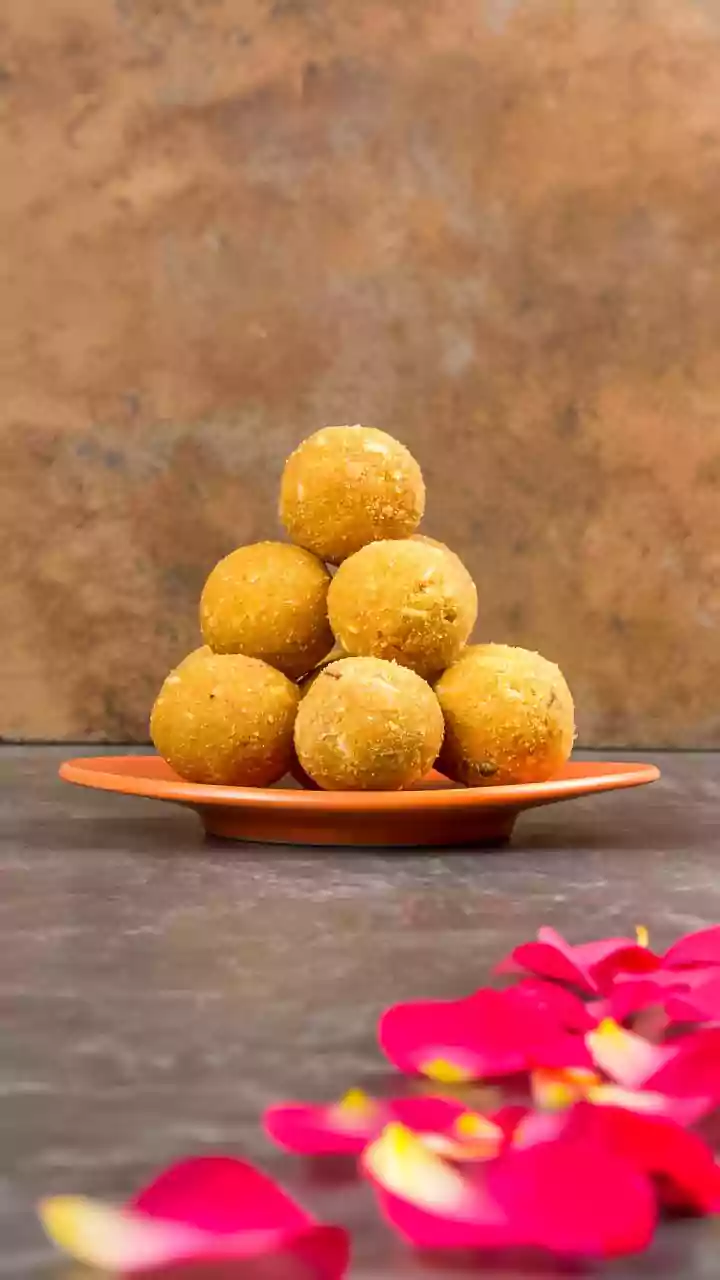
surrounding adulterated ghee, especially in iconic items like Tirupati laddus, underscores the importance of verifying its purity. This issue raises concerns about the quality of ingredients used and their potential impact on consumer health and religious sentiment. Adulteration not only compromises the product's quality but also undermines the trust placed in such offerings. Furthermore, the practice can lead to health risks due to the presence of harmful substances and erode consumer faith in established brands and religious institutions. Consumers seek assurance that the ghee they consume or offer is of high quality and free from contaminants. Ensuring the authenticity of ghee is, therefore, vital for maintaining culinary standards, upholding cultural traditions, and safeguarding public health, prompting the need for reliable methods to identify pure ghee at home.
Visual Inspection: First Steps
A basic way to determine ghee's purity involves a thorough visual examination. Pure ghee presents a consistent color, usually ranging from pale yellow to golden. The color intensity can differ depending on the source and processing methods used. Adulterated ghee may have an inconsistent color, with streaks or discolorations. This may indicate the presence of added oils or other impurities. Look for clarity; real ghee should be transparent when melted. If it appears cloudy or has visible particles, this suggests that it may contain additives or hasn't been processed correctly. Check for sediment. Pure ghee generally has minimal sediment at the bottom of the container. Excessive sediment might point towards the addition of vegetable fats or other unwanted substances. These simple observations can be the initial step in assessing the ghee's authenticity, helping consumers differentiate between genuine and potentially contaminated products.
The Heating Test Unveiled
The heating test is a simple yet reliable method to check the purity of ghee. In this method, a small quantity of ghee is heated in a clean pan or spoon over a moderate flame. Pure ghee typically melts quickly and starts to boil, producing a pleasant, nutty aroma. The color transforms from solid to clear, liquid form during this process. In contrast, adulterated ghee often melts slowly and may not fully clarify. It might produce an unusual odor, possibly of rancidity or a burnt smell, indicating the presence of other oils or fats. Sometimes, the adulterated ghee may froth excessively or leave residue on the pan. Carefully observe these reactions during heating to assess the ghee's purity, as the appearance, smell, and behavior provide clues. This technique can be done at home to obtain a preliminary assessment of ghee authenticity.
The Iodine Test
The Iodine test can detect the presence of starch, a common adulterant in ghee. To perform this test, take a small amount of the ghee and melt it. Add a few drops of iodine solution, which is easily available in medical stores. If the ghee is pure, the iodine solution will not cause any color change. However, if starch is present, the mixture will turn blue or purple. This color change occurs because iodine reacts with starch, indicating that the ghee is not entirely pure. Be mindful that this method specifically checks for starch, and other adulterants may not be detected. Nevertheless, it serves as a valuable technique to identify a common form of adulteration, providing consumers an additional tool for verifying the purity of ghee products.
Storage and Usage Practices
Proper storage and usage practices can help preserve the quality and authenticity of ghee, ensuring that it remains free from contamination. Store ghee in an airtight container, away from direct sunlight and moisture, at a cool, dark place. The container helps to prevent oxidation and the absorption of external odors, while the temperature ensures that ghee remains in optimum condition. When using ghee, always employ a clean and dry spoon or utensil to prevent the introduction of impurities. Avoid re-dipping utensils into the container to eliminate cross-contamination. Carefully seal the container after each use to keep air and moisture out. Following these easy steps will extend the ghee's shelf life and maintains its purity. Moreover, consumers should always purchase ghee from trusted sources to ensure that they are getting authentic, high-quality products.