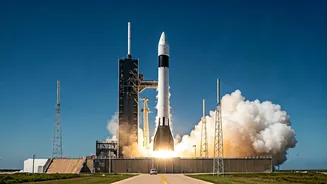







SLC-37 Conversion Approved
The U.S. Department of the Air Force has given the green light for SpaceX to develop Space Launch Complex 37 (SLC-37) at Cape Canaveral Space Force Station
into a Starship launch site. This decision was formally approved by Michael Saunders, the acting assistant secretary of the Air Force for energy, installations, and the environment. The former site for Delta 4 launches, which was originally constructed in the 1960s for Saturn 1 rockets and later adapted for the United Launch Alliance’s Delta 4, will now undergo redevelopment to accommodate SpaceX's Starship. SpaceX plans to build two launch pads, along with infrastructure, to facilitate launches from the site. This move signifies a pivotal advancement in space travel capabilities, fostering the potential for increased launch frequency and accessibility in the coming years.
Environmental Impact Study
An environmental impact study was conducted to evaluate the potential consequences of the Starship project at SLC-37. The assessment considered various factors, including the impacts of up to 76 Starship/Super Heavy launches per year and 152 landings of the Super Heavy booster and Starship upper stage. The study concluded that the development would generally have no significant environmental impact. It also examined the potential effects of sonic booms from vehicle landings, predicting that damage to buildings would be extremely unlikely, estimated between 1 in 10,000 and 1 in 100,000. While the study suggested possible effects on windows and other structural elements, the overall impact was deemed minimal. The final environmental impact statement and the record of decision were made available on the project's website.
Launch Pad Details
SpaceX intends to establish two Starship launch pads at SLC-37, along with the necessary supporting infrastructure. These launch pads will be added to the existing facilities at Starbase, Texas, and another under construction at Launch Complex 39A at Kennedy Space Center. Earlier considerations included building a new Starship launch facility at SLC-50, which was eliminated from the detailed study after site archaeological surveys. These surveys revealed that the area had a high potential for archaeological sites and endangered species, leading to its removal from the plan. With three launch pads located in Florida, SpaceX is poised to facilitate America's national security objectives and support Artemis missions, enhancing the spaceport's capacity to evolve and enable airport-like operations.
Potential Community Impacts
The environmental impact assessment identified potential community impacts, particularly concerning noise from launches and landings. The study indicated that local communities might experience high levels of noise and overpressure from the launches and landings of Starship and Super Heavy boosters, which could lead to significant community annoyance. The study indicated that zones of “significant structural damage” from noise and overpressure would be contained within Cape Canaveral Space Force Station and Kennedy Space Center, and unreinforced buildings within these areas could be at risk. This consideration underscores the need for thoughtful planning and mitigation strategies to protect the community from the impact of increased space operations.
Historical Context & Future
SLC-37, initially designed for Saturn 1 rockets in the 1960s, holds a rich history within the realm of space exploration. It was subsequently converted to accommodate the United Launch Alliance’s Delta 4. The final Delta 4 Heavy launched from the site in April 2024. The approval for Starship launches represents a transformative shift, aligning with the evolution of spaceport operations towards greater accessibility and frequency. With the capacity for numerous launches and landings each year, the site will support both national security and the ambitious goals of the Artemis program, propelling the advancement of space exploration. This transition highlights the ongoing efforts to modernize infrastructure and leverage existing sites for advanced space endeavors.