





The Silent Uprising
It's a common misconception that heart disease is an ailment primarily for older individuals. However, medical professionals are increasingly observing
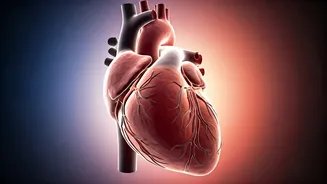
a concerning uptick in cardiovascular issues among men younger than 45. Dr. L.K. Jha points out that these silent cardiac risks are escalating significantly in this demographic, often without any apparent outward signs. Atherosclerosis, borderline high blood pressure, insulin resistance, and elevated cholesterol levels are now frequently developing in men under 45, and many of these conditions can progress unnoticed. This shift challenges the traditional view of heart disease, underscoring the critical need for awareness and early intervention in younger populations. The modern lifestyle, characterized by sedentary habits, persistent stress, inadequate sleep, smoking, and poor dietary choices, is a major catalyst for this accelerated cardiovascular damage. Genetic factors also play a crucial role, especially for those with a family history of heart disease manifesting at an early age. These combined influences silently impair blood vessels over time, drastically increasing the likelihood of severe cardiac events if preventative measures are neglected.
Unconventional Warning Signs
One of the most perilous aspects of heart disease in younger men is the absence of the typical, severe chest pain often associated with heart attacks. Dr. Jha highlights that patients in this age group might present with less obvious indicators. These can include persistent, unexplained fatigue, breathlessness even with minimal physical exertion, frequent indigestion, mild discomfort in the chest area, feelings of dizziness, noticeable heart palpitations, or even disruptions in sleep patterns. Additionally, pain or discomfort might not be confined to the chest; it can sometimes radiate to the jaw, neck, shoulder, or back. Increased feelings of anxiety, a noticeable decline in exercise capacity, or a constant sense of tiredness can also serve as signals of underlying cardiac stress. Recognizing these subtler, non-traditional red flags and seeking prompt medical assessment is paramount to averting more serious and potentially life-threatening cardiovascular incidents. These symptoms demand attention, as they can be the body's way of alerting you to a problem that needs professional diagnosis.
Factors Fueling Early Risk
The onset of heart disease at an early age is seldom attributable to a single factor. Instead, it's typically a complex interplay between lifestyle choices, metabolic conditions, and genetic predispositions. Key contributors to elevated cardiovascular risk include smoking, excessive consumption of alcohol, being overweight or obese, managing chronic stress, and maintaining a sedentary lifestyle, coupled with a diet lacking in essential nutrients. Existing health issues such as diabetes, hypertension (high blood pressure), imbalanced cholesterol levels, and sleep disorders further compound these risks, creating a more perilous environment for the heart. Even external factors like environmental pollution and prolonged periods spent in front of screens can indirectly promote sedentary behaviors and systemic inflammation throughout the body. Moreover, a strong family history of heart disease occurring in younger relatives serves as a significant predictive marker, signaling a heightened genetic susceptibility that warrants close monitoring and preventative strategies.
Proactive Screening Essentials
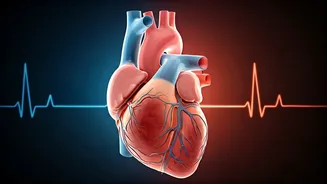
Prioritizing prevention through early and regular screening is crucial, as emphasized by Dr. Jha. Basic yet indispensable checks include routine monitoring of blood pressure, assessment of lipid profiles (cholesterol levels), blood sugar tests, and calculation of body mass index (BMI). Beyond these fundamental assessments, an electrocardiogram (ECG) is vital for detecting any abnormalities in the heart's rhythm. An echocardiogram might be recommended based on clinical indications to visualize the heart's structure and function. In specific situations, further investigations like stress testing, coronary calcium scoring (which assesses calcification in the heart's arteries), or advanced blood marker analysis may be advised by a physician. Early detection through these screening methods allows for the timely implementation of necessary lifestyle modifications and, if required, medical interventions. The earlier any risks are identified, the greater the likelihood of successfully preventing major cardiovascular events and safeguarding long-term heart health.