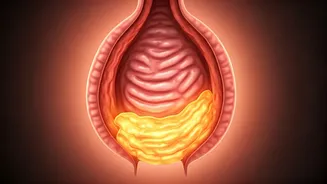








The Hidden Reflux Signal
Many individuals frequently clearing their throat mistake it for a nervous habit, dry air, or lingering cold symptoms. However, experts like Dr. Vineet
Kumar Gupta highlight that the root cause often lies not in the throat but in the stomach. Chronic throat clearing can be a significant, yet often overlooked, indicator of laryngopharyngeal reflux (LPR). This specific type of acid reflux occurs when stomach acid travels upwards, bypassing the esophagus and directly irritating the throat and voice box, without necessarily causing the typical chest burning associated with heartburn. Sufferers might experience a persistent lump sensation in their throat, morning hoarseness, a dry, ticklish cough, or slight difficulty swallowing. The throat may continue to feel irritated and prompt clearing, even when the stomach itself feels perfectly fine, creating a continuous cycle of discomfort that is easily misunderstood.
Modern Habits Fueling Reflux
Our contemporary lifestyles have profoundly altered our eating and sleeping habits, contributing to an increase in digestive issues, including reflux. The prevalence of late-night meals, extended screen time, and reliance on quick, processed foods disrupts normal digestive processes. A report from the ICMR in 2025 indicated a rise in lifestyle-related digestive disorders in urban India, mirroring global trends supported by NIH research showing an increase in reflux conditions, particularly among younger demographics. These evolving daily routines mean that the constant urge to clear one's throat is not an isolated phenomenon but rather a manifestation of how our modern habits are impacting our digestive health and signaling underlying issues.
Everyday Triggers Identified
The causes behind this persistent throat irritation are often rooted in common, everyday habits that gradually weaken the body's natural defenses against acid reflux. Dr. Gupta emphasizes that factors such as consuming late meals, indulging in fatty and spicy foods, and excessive intake of caffeine, alcohol, and carbonated beverages can significantly weaken the lower esophageal sphincter – the valve separating the esophagus and stomach. This weakening allows stomach acid to flow back upwards. Additionally, habits like eating immediately before lying down, wearing clothing that is too tight around the abdomen, and carrying excess body weight further compromise these natural barriers, contributing to the development of silent reflux, where symptoms manifest subtly yet persistently.
The Throat's Sensitive Reaction
The throat possesses a highly sensitive lining that reacts swiftly to even minor irritations, often triggering a reflex to clear it. This action is the body's way of attempting to remove perceived foreign matter, such as mucus or irritants, creating a sensation of dryness or obstruction. While this clearing reflex can become automatic over time, it becomes problematic when the underlying irritation never truly resolves, perpetuating a continuous cycle. Many individuals fail to recognize that the persistent need to clear their throat indicates an unresolved issue rather than a standalone habit, overlooking the fundamental problem that requires attention to break the cycle.
When to Seek Help
It's crucial to recognize when this frequent throat clearing warrants professional medical attention. If the urge persists for weeks or months, it's no longer a minor inconvenience but a signal that demands evaluation. Dr. Gupta advises that persistent symptoms necessitate a specialist assessment, as what appears to be a simple habit could be the body's way of communicating a more serious underlying condition. Ignoring these persistent signs can lead to delayed diagnosis and, in some instances, potential complications affecting vocal health or causing further issues. Therefore, paying attention to the duration and frequency of throat clearing is key to early intervention and effective management.
Effective Management Strategies
Managing persistent throat clearing, especially when linked to LPR, begins with a foundational understanding and proactive lifestyle adjustments rather than solely relying on medication. Dr. Gupta stresses that lifestyle modifications are the cornerstone of effective management. Simple yet impactful changes include elevating the head of your bed, consuming smaller, lighter meals, particularly at night, and ensuring a gap of at least three hours between your last meal and sleep. Identifying and avoiding individual dietary triggers is also vital. Adopting these practices—such as finishing dinner well before bedtime, reducing caffeine and fried food intake, and sleeping with your head slightly raised—directly addresses the root causes of reflux, leading to significant relief without necessarily needing immediate pharmaceutical intervention.