
Punjabi Cuisine Defined
Punjabi cuisine is known for its rich flavors, often incorporating generous amounts of butter, ghee, and cream. Dishes frequently feature ingredients such
as lentils, vegetables, and various meats, seasoned with a blend of spices. Key components of a typical Punjabi meal include staples like roti or naan, accompanied by a curry or a sabzi, often alongside a yogurt-based raita. This cuisine is celebrated for its diverse range of dishes, each contributing to a complete and satisfying meal. Furthermore, Punjabi meals are typically enjoyed with family and friends, making them a significant part of social gatherings and celebrations. The preparation methods are also noteworthy, with many dishes involving slow cooking techniques that enhance the flavors and textures of the ingredients. Understanding the core elements of this culinary tradition helps in analyzing its health implications.
The Diet's Core Staples
Examining essential components of the 'Badshah Diet' reveals the critical roles of certain food groups. Lentils, or dals, are rich in protein and fiber, promoting digestive health and offering sustained energy. Various vegetables, especially leafy greens like spinach (palak) and mustard greens (sarson), contribute essential vitamins and minerals. The inclusion of whole grains, such as wheat in roti or rice, offers complex carbohydrates for energy. Furthermore, the use of dairy products, including yogurt and paneer, introduces calcium and protein. The variety in spices, from turmeric to cumin, not only enhances flavor but also provides potential health benefits, like anti-inflammatory properties. Recognizing the key elements of this dietary pattern offers a better perspective for assessing its overall nutritional value.
Nutritional Pros and Cons
Analyzing the nutritional strengths and weaknesses of Punjabi cuisine is important for an informed perspective. The presence of fiber from lentils and vegetables is a major advantage, assisting digestion and promoting satiety. Protein-rich foods support muscle health and overall well-being. On the other hand, the frequent use of fats, particularly saturated fats from butter and ghee, raises concerns regarding cardiovascular health. Excessive consumption of these fats may contribute to elevated cholesterol levels. Moreover, the preparation methods, which sometimes involve deep frying, can lead to increased calorie intake. To balance these elements, conscious portion control and mindful ingredient selection are essential when incorporating Punjabi dishes into a healthy eating plan.
Healthy Punjabi Meal Ideas
To integrate Punjabi flavors in a health-conscious way, several meal ideas provide practical guidance. Choosing lean protein sources, such as tandoori chicken prepared without excess oil, offers a healthier alternative. Opting for whole-wheat roti instead of naan increases fiber intake. Favoring vegetable-rich dishes like palak paneer or aloo gobi provides essential nutrients. Utilizing healthy cooking techniques, like baking or grilling instead of deep frying, drastically reduces fat content. Furthermore, controlling portion sizes of dishes high in fats, such as butter chicken, allows one to still enjoy the flavors while remaining within healthy dietary guidelines. Supplementing meals with a large serving of salad can boost vitamin and fiber intake, further enhancing the nutritional balance.
Spices and Their Impact
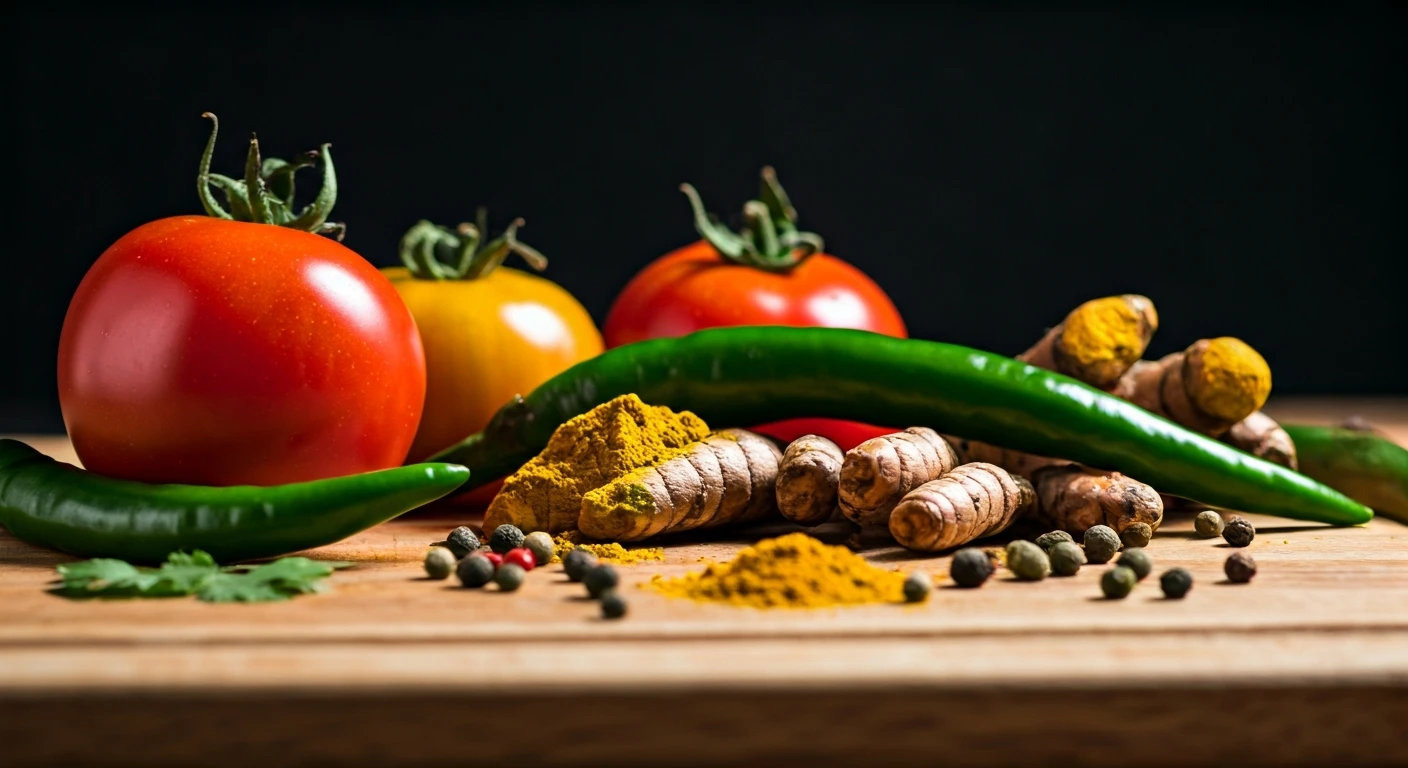
The unique blend of spices commonly used in Punjabi cuisine is key to both its distinctive flavor and potential health advantages. Turmeric, containing curcumin, is recognized for its anti-inflammatory properties. Ginger, another staple spice, aids digestion and can relieve nausea. Garlic also contributes to the flavor profile and possesses antioxidant benefits. Cumin, often used in many dishes, can improve digestion and may have beneficial effects on blood sugar. The use of coriander offers both flavor and potential antioxidant benefits. These spices enhance the taste of meals and add several health benefits. Integrating these spices enhances the nutritional value of each dish and can contribute to overall well-being. Understanding the properties of these spices allows informed choices while preparing Punjabi dishes.
Adapting for Healthier Choices
To make Punjabi cuisine healthier, certain dietary adjustments are necessary. Limiting the use of butter, ghee, and cream reduces unhealthy fat consumption. Increasing the consumption of vegetables and including more whole grains supports a balanced diet. Choosing leaner cuts of meat or plant-based protein sources, like lentils and beans, offers healthier protein options. Making conscious choices regarding cooking methods, such as grilling, baking, or steaming, minimizes added fats. Additionally, controlling portion sizes and balancing meals with other healthy foods is crucial. By adopting these strategies, one can embrace the flavors of Punjabi cuisine and promote overall health and wellness. This allows enjoyment of the cuisine while managing dietary health.