







Why ACs Fail
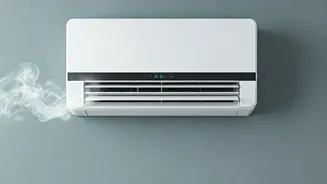
Air conditioners are vital for surviving scorching Indian summers, but they can pose risks if not properly maintained. Incidents of AC units malfunctioning
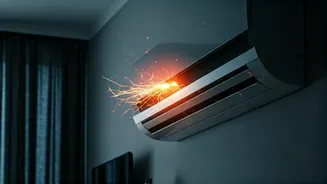
or catching fire, while infrequent, are often preventable. These issues typically stem from a combination of neglect and technical problems that develop over time, rather than sudden failures. Common culprits include subpar installation, inconsistent maintenance, and excessive use, all of which stress the unit's components. Understanding these underlying causes is the first step towards ensuring safe operation. Recent reports from Delhi NCR highlight the urgency of being vigilant about minor signs and taking prompt corrective actions to avert potential disasters.
Common AC Hazards
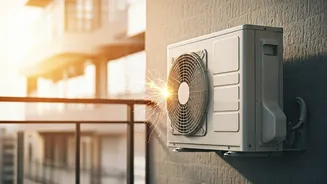
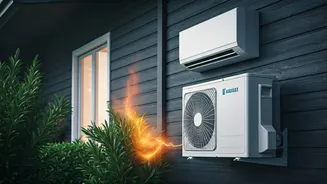
Several technical issues can lead to an air conditioner failing unsafely, particularly during the demanding summer months. Electrical faults, such as faulty wiring or overloaded circuits, are a primary concern, potentially causing internal components to overheat and leading to sparks or fire. The compressor, the heart of the AC system, can overheat if it runs continuously or is under excessive strain, leading to internal pressure imbalances. Refrigerant gas leaks, though rare, can create dangerous pressure conditions that, combined with heat or sparks, pose a significant risk. Improper installation, including loose connections or incorrect gas levels, can create hidden instabilities that manifest over time. Furthermore, a lack of regular maintenance, resulting in dust buildup and blocked airflow, forces the unit to work harder, increasing the risk of overheating. Finally, voltage fluctuations, common in many Indian regions, can damage sensitive circuits, leading to unexpected failures.
Warning Signs to Note
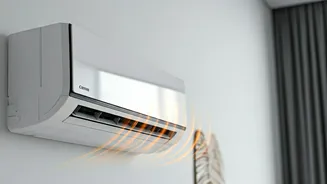
Your air conditioner often provides subtle clues before a major issue arises, and recognizing these can be critical for preventing accidents. Pay close attention to unusual vibrations emanating from the unit, as these can indicate mechanical stress. A burning smell is another strong warning sign that should never be ignored, pointing towards overheating components or electrical problems. If your AC's cooling capacity significantly diminishes, it suggests the system is struggling, potentially due to blockages or refrigerant issues. Frequent tripping of the circuit breaker also signals an electrical overload or fault within the system. Additionally, a hissing sound from either the indoor or outdoor unit might indicate a refrigerant leak. While these symptoms might seem minor initially, addressing them promptly can prevent them from escalating into dangerous situations.
Electrical Safety Essentials
Ensuring electrical safety is paramount to preventing AC-related fires. It's crucial that your air conditioner is connected to its own dedicated power socket. Overloading an outlet by plugging in multiple appliances alongside the AC can lead to overheating and electrical hazards. Proper earthing is also vital, providing a safe path for excess electricity to dissipate. In areas prone to inconsistent power supply, a voltage regulator is highly recommended to protect the AC's sensitive circuitry from damaging power surges or drops. Any loose wiring should be immediately addressed by a professional; temporary fixes often lead to greater risks down the line. Safe installation practices, including positioning the outdoor unit in a well-ventilated area and securely fixing the indoor unit to prevent vibration-induced damage, are fundamental. Professional technicians ensure correct gas and wiring pressures, along with efficient drainage, minimizing long-term risks.
Maintenance and Cleaning
Consistent servicing and cleaning are cornerstones of AC safety and longevity. Regularly cleaning the air filters is essential, as clogged filters obstruct airflow, forcing the system to expend more energy and increasing the risk of overheating. Professional servicing, typically recommended once or twice annually, involves a thorough check of coils, refrigerant levels, and the condition of internal wiring. These checks help identify and rectify hidden issues before they escalate into serious problems. Neglecting routine maintenance allows minor faults to develop unnoticed, potentially leading to significant technical damage and safety hazards over time. By adhering to a regular servicing schedule, you can ensure your AC operates efficiently and safely.
Safe Usage Habits
Your daily habits with the air conditioner can significantly impact its safety. Running the unit at extremely low temperatures for extended periods can place excessive strain on the compressor, leading to overheating. Opting for moderate temperature settings promotes safer, long-term usage. Utilizing features like timers or sleep modes helps reduce the continuous load on the system. Allowing the AC short breaks during prolonged usage periods enables it to cool down naturally, reducing stress on its components. It's also critical to keep flammable materials away from both the indoor and outdoor units to mitigate fire risks in your home.
Emergency Response
In the event of any unusual smell, smoke, or noticeable overheating from your air conditioner, immediate action is crucial. First, switch off the AC unit without delay. Following this, disconnect the main power supply to prevent further electrical hazards. It is imperative not to attempt any repairs yourself, as internal components carry significant electrical and gas-related risks. The safest course of action is to contact a certified technician immediately. Prompt and professional intervention can prevent minor incidents from escalating into more severe damage or dangerous situations.