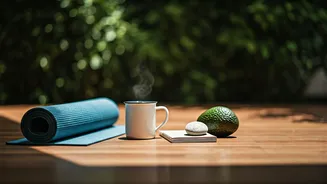







Wellness Beyond Extremes
The fitness landscape for women is undergoing a significant evolution, moving away from the pursuit of unattainable body ideals and rigid routines. Around
Mother's Day, conversations increasingly highlight the importance of building sustainable lifestyles that nurture physical, emotional, and mental well-being. Women are embracing fitness approaches that integrate seamlessly into their daily lives, opting for consistency, balance, flexibility, and self-care over demanding and unsustainable fitness cultures. This shift means that wellness is no longer confined to high-intensity training or restrictive diets; it encompasses mindful activities like short home workouts, intuitive eating practices, fitting in yoga between professional commitments, or simply prioritizing adequate rest. The core idea is to redefine wellness in ways that are both practical and deeply personal, recognizing that small, conscious daily choices contribute more significantly to long-term health than extreme, short-lived efforts. This holistic view acknowledges that a woman's well-being has a profound positive impact on her family and immediate environment, underscoring the notion that a healthy mother truly is the heart of a happy home.
Comfort and Flexibility Reign
A key aspect of this modern wellness paradigm is the emphasis on comfort and flexibility, which are now considered essential elements of a woman's fitness journey. The pursuit of perfection is being replaced by an embrace of adaptability, allowing women to integrate health practices into their lives without feeling overwhelmed. This understanding is rooted in the realization that consistent, mindful everyday choices yield the greatest long-term benefits, particularly for women juggling numerous responsibilities. Women feel at ease and comfortable in their daily routines, it naturally fosters a sense of confidence and generates a positive ripple effect, influencing their personal well-being as well as their interactions with family and society. This growing focus on comfort is central to modern well-being, suggesting that small habits, nurtured within a relaxed and accommodating framework, are more effective for sustained health than adherence to strict, uncomfortable regimens. The overarching sentiment is that feeling good physically and mentally is intrinsically linked to feeling comfortable and supported in one's lifestyle choices.
Adaptive Fitness for All
The rise of flexible fitness routines is a direct response to the demanding schedules many women manage, prioritizing routines that complement rather than disrupt their busy lives. Women are actively moving away from inflexible exercise plans, instead discovering innovative methods to incorporate physical activity throughout their day. This evolution represents a more inclusive and health-conscious approach to fitness, where practicality meets personal needs. Examples include quick 20-minute home workouts, opting to walk for short commutes instead of driving, or incorporating yoga sessions during work breaks. These seemingly minor adjustments are recognized for their significant impact on overall health. Furthermore, this adaptive approach to fitness reinforces the connection between individual wellness and family well-being. A mother who prioritizes her physical and mental health creates a more positive and energetic atmosphere at home, benefiting her children and the entire household. The focus is on making fitness accessible and sustainable, integrating it naturally into the fabric of daily life rather than treating it as an isolated, arduous task.
Holistic Health Awareness
Beyond physical activity, there's a growing emphasis on hormonal health, intuitive eating, and mental wellness among women. Functional fitness, which enhances everyday strength and mobility, is gaining traction as it directly supports real-life activities like caring for children, managing household chores, and maintaining sustained energy levels. Women are increasingly tuning into their bodies' specific needs rather than blindly following generic wellness trends. This heightened awareness encompasses a deeper understanding of menstrual health, hormonal fluctuations, individual nutritional requirements, and mental well-being. Practices such as meditation, breathing exercises, digital detoxes, and intuitive eating are becoming integral components of women's health regimens. Prioritizing self-care in this comprehensive manner has a profound ripple effect, positioning women as role models for their children and fostering healthier home environments overall. This holistic approach acknowledges that true wellness is multifaceted, extending beyond mere physical fitness.