







Milk Price Surge Explained
Recent reports indicate a significant price increase for popular packaged milk brands in India, including Amul and Mother Dairy. This hike, effective from
May 14th, affects various milk types like full cream, toned, cow, and buffalo milk. For instance, a 1-litre pack of a specific brand's full cream milk has risen by Rs 2, now costing Rs 70. Similarly, other variants have seen a Rs 1-2 increase per litre. Mother Dairy has also adjusted its prices, with a 1-litre pack of buffalo milk now priced at Rs 80, up from Rs 75. These revisions impact milk supplied from the night of May 13th onwards, directly affecting consumers from May 14th. This price adjustment is attributed to inflation, making a staple food item less accessible for many middle-class families and prompting a search for viable alternatives.
Nutrient-Dense Seed Power
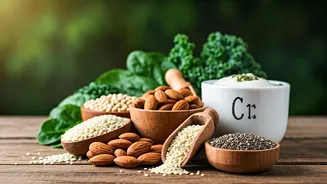
Seeds offer a powerhouse of calcium and other essential nutrients, making them excellent additions to a balanced diet. Sesame seeds, for example, are exceptionally high in calcium, with around 975 mg per 100 grams. They also provide phosphorus, magnesium, and zinc, which are crucial for enhancing calcium absorption and maintaining bone density. These seeds can be used as a crunchy topping for salads and curries, incorporated into pastes, or blended into smoothies and yogurt. Chia seeds are another fantastic option, boasting approximately 631 mg of calcium per 100 grams. Just two tablespoons can provide about 18% of an adult's daily calcium requirement, supporting bone and tooth strength, as well as aiding muscle and nerve functions. They also contain magnesium and phosphorus for improved absorption.
Ancient Grains & Superfoods
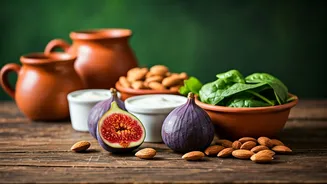
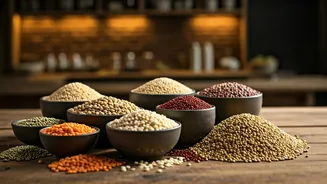
Exploring ancient grains and greens reveals remarkable calcium content alongside other health benefits. Ragi, a type of millet, stands out with a substantial 975 mg of calcium per 100 grams, making it a potent dairy-free calcium source. It supports bone and teeth health, vital for muscle contraction and nerve function, and is also rich in fiber, potassium, and antioxidants that promote digestive and heart wellness. Amaranth leaves, offering a calcium range of 350-400 mg per 100 grams, are incredibly versatile. They can be prepared as a breakfast porridge, used in rotis, dosas, or pancakes. Dried figs are also a notable source, providing around 260 mg of calcium per 100 grams. Consuming them soaked overnight is recommended for easier digestion; they can be added to desserts, oats, smoothies, or shakes, and even transformed into chutneys. Amaranth leaves can also be used in saag or sabzi preparations, added to dals and soups, or mixed into paratha dough.