




Excessive Decorative Canisters
While decanting pantry staples like flour, sugar, and coffee into attractive jars can enhance kitchen organization, keeping an extensive collection on display
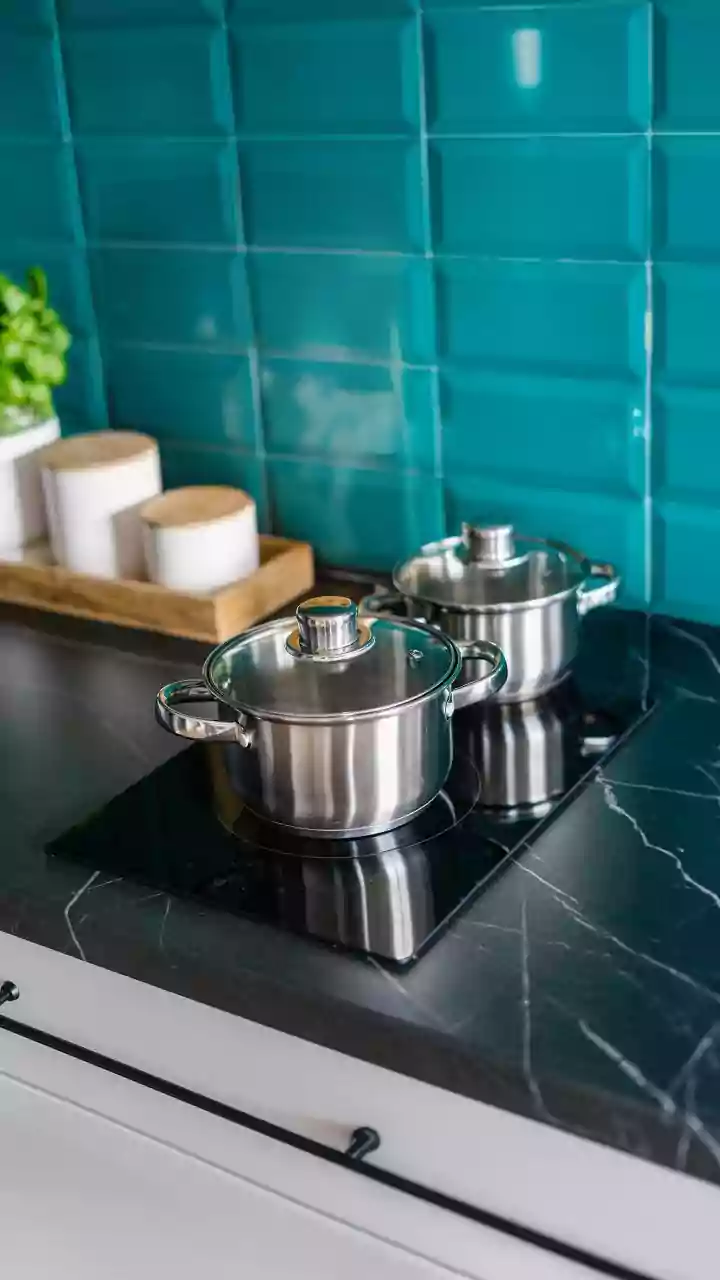
can lead to visual noise. Professional organizers point out that a long row of these canisters contributes to a cluttered appearance, detracting from a minimalist design. The suggestion is to store these ingredients within your pantry or cabinets, thereby freeing up valuable counter space and creating a cleaner, more open aesthetic for your kitchen surfaces. This simple shift ensures that the focus remains on a tidy and functional workspace rather than an overflow of decorative yet functionally redundant containers.
Chunky Knife Blocks
The traditional knife block, often a bulky fixture on the countertop, can be a significant space consumer. Professional organizer Maria Bear advocates for a more integrated approach, suggesting the use of in-drawer knife storage solutions. This involves installing inserts within kitchen drawers specifically designed to hold knives securely. While this might necessitate a review and potential reduction of your knife collection to fit the new storage, the resulting benefit is a significantly more open and uncluttered countertop. The visual impact of removing the block is immediate, contributing to a cleaner and more expansive feel in the kitchen preparation area.
Seldom-Used Appliances
For everyday appliances like blenders, toasters, and coffee makers, consider their actual frequency of use. If you only use an appliance sporadically, expert Angela Nguyen recommends storing it away in a cabinet or pantry rather than letting it occupy prime counter real estate. This strategy is particularly effective for creating a streamlined look. Even for frequently used items, the practice of putting them away after each use, as adopted by many minimalists, can dramatically improve the sense of spaciousness and order. Storing appliances, even those used daily, in less visible areas like the pantry can make the kitchen feel lighter and more visually calm, fostering a more serene cooking environment.
Accumulated Paperwork
The kitchen counter should not become a default landing zone for mail, notes, and various documents. Professional organizer Dana Reder emphasizes the importance of processing paper as it arrives. This means immediately dealing with incoming mail by recycling what's unnecessary, throwing away junk, and filing anything that needs to be kept. For items requiring further action, designate a space in a home office and schedule regular reviews, ideally within a week. This proactive approach prevents the buildup of paper piles. Even children's artwork can be managed through a system of daily sorting, recycling, and storing selected pieces elsewhere, such as a dedicated recycling bin in the garage, ensuring counters remain clear of paper clutter.
Work and Tech Gear
While the kitchen island or counter might serve as a convenient spot for work or checking emails, it's crucial to clear away laptops, tablets, and other electronic devices once your tasks are completed. Dana Reder highlights the significance of putting these items away to foster a sense of relaxation and unplugging at the end of the day. Beyond aiding in mental decompression, this practice also protects your electronics from accidental spills or spills during meal preparation. Furthermore, it prevents cords from becoming tangled, contributing to a safer and more orderly kitchen environment. Keeping tech items stored when not in use promotes a clear distinction between work and home life.
Visible Cleaning Supplies
Although it's practical to have cleaning supplies readily available in the kitchen for immediate spill management, they are best kept out of sight rather than cluttering the countertops. According to organizer Dana Reder, storing cleaning products under the sink or in a nearby cabinet promotes both hygiene and a tidier appearance. Solutions like a bin or a lazy Susan placed within the under-sink cabinetry can make these items easily accessible yet hidden from view. This method prevents the visual clutter associated with bottles and sprays, contributing to a cleaner, more serene kitchen aesthetic and ensuring a more sanitary environment.