







Pregnancy & Nutrition
Pregnancy is a significant period that necessitates conscious dietary choices for both the mother and the developing baby. Kareena Kapoor’s experiences,
as she reminisces about her journey, serve as a testament to the influence of family and the significance of making informed decisions about food intake. It is important to comprehend the nutritional needs of a pregnant woman; she requires a well-rounded diet that provides a variety of essential nutrients, including folic acid, iron, calcium, and protein. These components are vital for the baby's growth and development, as well as for the mother's well-being. Regular prenatal checkups and consultations with healthcare professionals are also crucial for personalized guidance.
Neetu's Healthy Influence
Kareena's recollections of her aunt, Neetu, highlight the importance of the support system during pregnancy. Neetu's advice, like many other family members, often focused on ensuring Kareena ate the right foods and maintained a balanced diet. This influence reflects the deeply ingrained cultural emphasis on prenatal care within Indian families, where generations-old wisdom is passed down to support expectant mothers. This traditional approach, combined with the guidance of medical professionals, creates a holistic method of managing pregnancy. Such support systems help in making the mother feel cared for, giving emotional stability and encouragement during this life-altering phase.
Dietary Dos & Don'ts
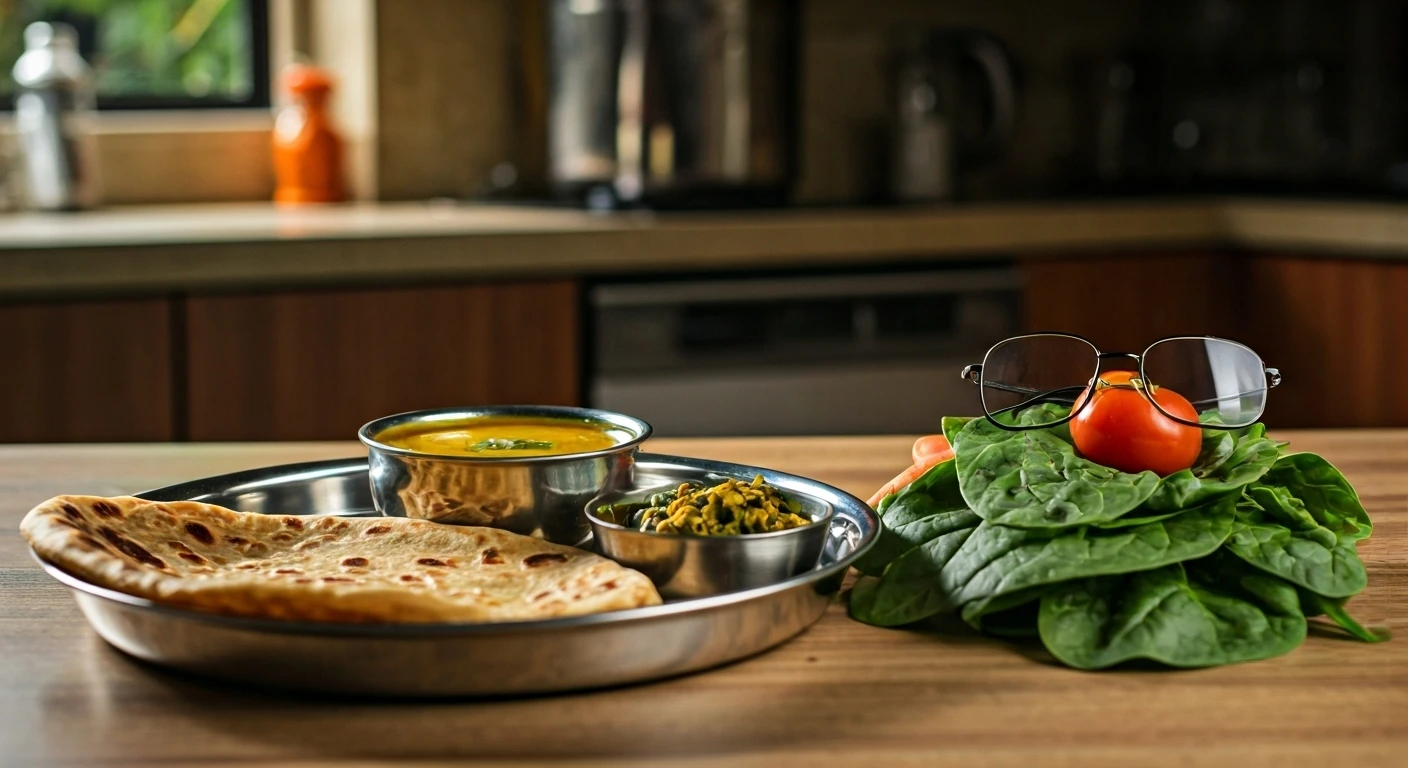
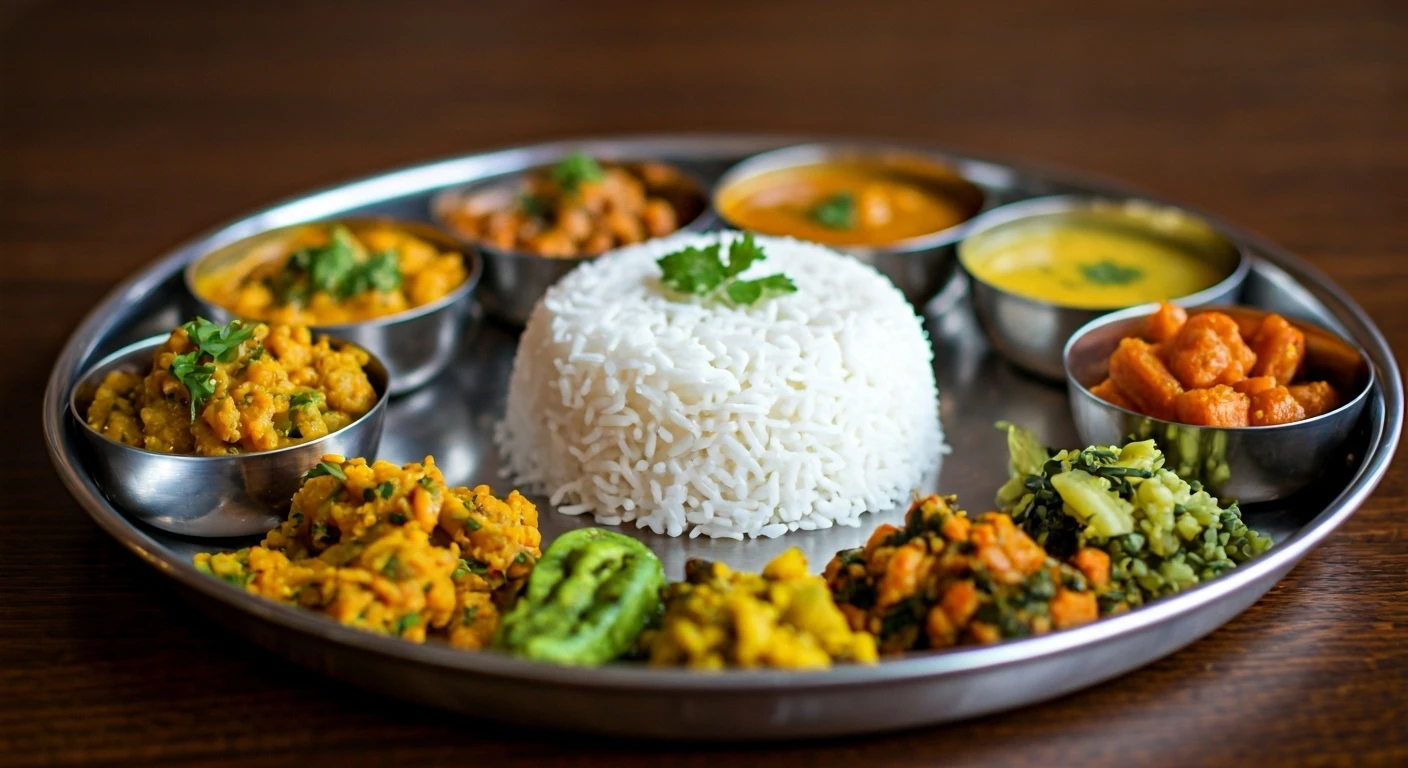
When it comes to the diet of a pregnant woman, specific food groups play very crucial roles. Folic acid, which is critical in preventing neural tube defects in the fetus, can be found in green leafy vegetables and fortified foods. Iron is vital for preventing anemia and supporting the increased blood volume required during pregnancy; therefore, eating iron-rich foods such as lean meats and lentils is important. Calcium is also crucial for the development of the baby's bones and teeth, and it can be obtained by consuming dairy products, or calcium-fortified foods. On the flip side, some foods should be avoided, which include high mercury fish, uncooked meats, and unpasteurized dairy products, which can potentially be harmful.
Mindful Eating Habits
It is essential for expecting mothers to approach eating habits with mindfulness. This involves being conscious of hunger and fullness, consuming food slowly, and taking note of the body’s signals. Making healthy food choices does not have to be a source of stress; instead, it can be a process of enjoyment and nourishment. Planning meals in advance, preparing easy-to-grab snacks, and learning to manage cravings in a healthy way can assist in maintaining a healthy lifestyle. Moreover, by staying hydrated with water and other fluids, along with staying away from excessive consumption of sugary drinks, mothers-to-be will contribute to their overall health.
Comprehensive Prenatal Care
Besides nutrition, prenatal care entails a range of aspects vital to a healthy pregnancy. Regular check-ups with a healthcare provider are important to monitor the mother's and baby's health. These check-ups will usually involve blood tests, ultrasounds, and other screenings to detect any potential issues early. Besides health, regular exercise, as long as it is approved by a doctor, helps improve mood, control weight gain, and improve overall well-being. Moreover, expecting mothers should obtain adequate sleep, manage stress through activities like yoga and meditation, and seek emotional support from family, friends, or counselors to maintain their well-being throughout this period.