







Timing and Preparation
Deciding when to sow grass seed is crucial for success, with the optimal time varying by climate. For those in warmer regions, late spring or summer is ideal
for planting warm-season grasses. Conversely, cooler climates benefit from early fall seeding of cool-season grasses. It's also wise to monitor weather forecasts; while a heavy downpour can wash away seeds, a light, consistent rain is beneficial, reducing the need for immediate manual watering. Before you even think about scattering seeds, it's vital to diagnose any underlying issues that caused bare or thinning spots in the first place. Factors like disease, pet urine, excessive foot traffic, insect infestations (such as grubs or chinch bugs), inadequate watering or sunlight, mowing too low, soil nutrient imbalances or incorrect pH, encroaching tree roots, or a thick layer of thatch can all hinder grass growth. Addressing these root causes is as important as the seeding itself. Soil testing for pH and nutrient levels is a proactive step to ensure the soil is receptive to new grass. If you're embarking on establishing an entirely new lawn, expect a more intensive preparation phase, potentially including tilling the soil to create a receptive bed for the seeds.
Gathering Your Tools
To successfully plant grass seed, having the right equipment and materials on hand makes the process much smoother. You'll need essential tools like a measuring tape for accurately assessing the area, a garden rake for soil preparation and smoothing, a garden shovel for loosening compacted soil, and a garden hose equipped with a spray nozzle for gentle watering. A wheelbarrow is useful for mixing materials. For materials, high-quality grass seed suited to your climate and lawn conditions is paramount. Compost will be necessary to enrich the soil, and potting soil can be mixed with the seed for better distribution. Finally, to safeguard your newly sown seeds from hungry birds and to help retain moisture, you'll want to have bird netting or straw ready. Each of these items plays a specific role in creating the ideal environment for your grass to flourish.
Seeding Process Steps
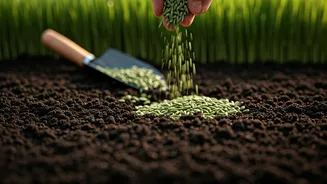
The actual process of planting grass seed involves several meticulous steps to ensure optimal germination and growth. First, accurately measure the dimensions of the bare or thinning area to determine the quantity of seed required. Utilize online grass seed calculators, selecting the overseeding option if available, to get precise recommendations. Next, choose a grass seed variety that is well-suited to your region's climate, considering factors like sunlight exposure and drought tolerance. It might even be beneficial to switch grass types if your current lawn isn't thriving. Once you have your seed, it's time to prepare the soil. Use a rake and shovel to clear away any weeds, rocks, or dead grass, then loosen the soil to a depth of about six inches. If the soil is dry, water it lightly and let it absorb moisture for a couple of days before raking it again to break up clumps and create a smooth surface. Incorporate compost into the loosened soil to provide essential nutrients and improve its structure. For improved seed distribution, mix the grass seed with potting soil in a wheelbarrow, using a ratio of three parts potting soil to one part seed, and blend thoroughly. Broadcast this mixture evenly over the prepared area, using a rake to lightly distribute it. After sowing, lightly water the entire seeded area, ensuring the moisture penetrates at least three inches deep without creating puddles.
Protecting Your Seed
Once the grass seed is sown, protecting it from common threats is a critical phase for a successful germination. Birds are a primary concern, as they can easily consume freshly laid seeds. One effective method is to spread a thin layer of straw over the seeded area. While this helps deter birds and retains moisture, be aware that removing the straw later can be somewhat challenging. A more convenient alternative is to use bird netting. Stretch this netting over the seeded patch and secure it with stakes, ensuring it is raised about two inches above the ground to allow for adequate air circulation. This method not only protects the seeds but also lets in more sunlight, which is beneficial for germination. It is imperative to remove the netting before you begin mowing your lawn. For areas prone to erosion, such as steep slopes where traditional seeding is difficult, consider planting ground cover like blue rug juniper or using grass varieties with deeper root systems like tall fescue in the North or Bermuda grass in the South. If you opt for straw, remember it will need to be carefully removed or incorporated once the grass has established.
Post-Seeding Care
After you've successfully sown and protected your grass seed, diligent care is required to ensure the new grass establishes itself properly. For the initial period, which can last up to two months, refrain from mowing the lawn. During this waiting period, it is essential to maintain consistent moisture in the soil, though it should not become waterlogged. Frequent, light watering is key to keeping the soil consistently damp, encouraging the seeds to germinate and the young grass to develop a strong root system. If you used bird netting, remember to remove it completely before the first mowing. Skipping this step could damage the netting and potentially harm the new grass. By providing this attentive care, you create the ideal conditions for your newly planted grass to mature into a lush, healthy, and resilient lawn.