


The Balanced Smoothie Blueprint
To truly serve as a foundational meal, a breakfast smoothie needs more than just fruit. It requires a thoughtful combination of macronutrients to ensure
sustained energy and lasting fullness. This includes a robust protein source, vital for muscle repair and satiety; healthy fats, crucial for regulating blood sugar and providing steady energy; and fiber-rich carbohydrates, essential for digestive health and prolonging feelings of fullness. Incorporating a spectrum of micronutrients further supports overall well-being and helps combat inflammation. Neglecting any of these elements can result in a smoothie that leaves you feeling hungry shortly after consumption, leading to energy dips and cravings. A well-constructed smoothie, however, promotes stable blood sugar levels, enhances cognitive and physical performance, and aids in appetite control throughout the morning.
Building Blocks of Your Blend
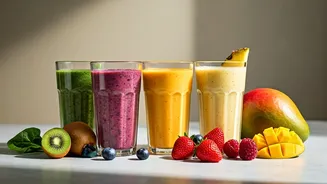
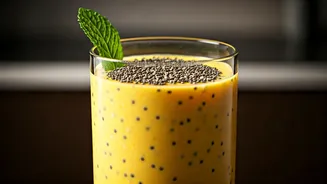
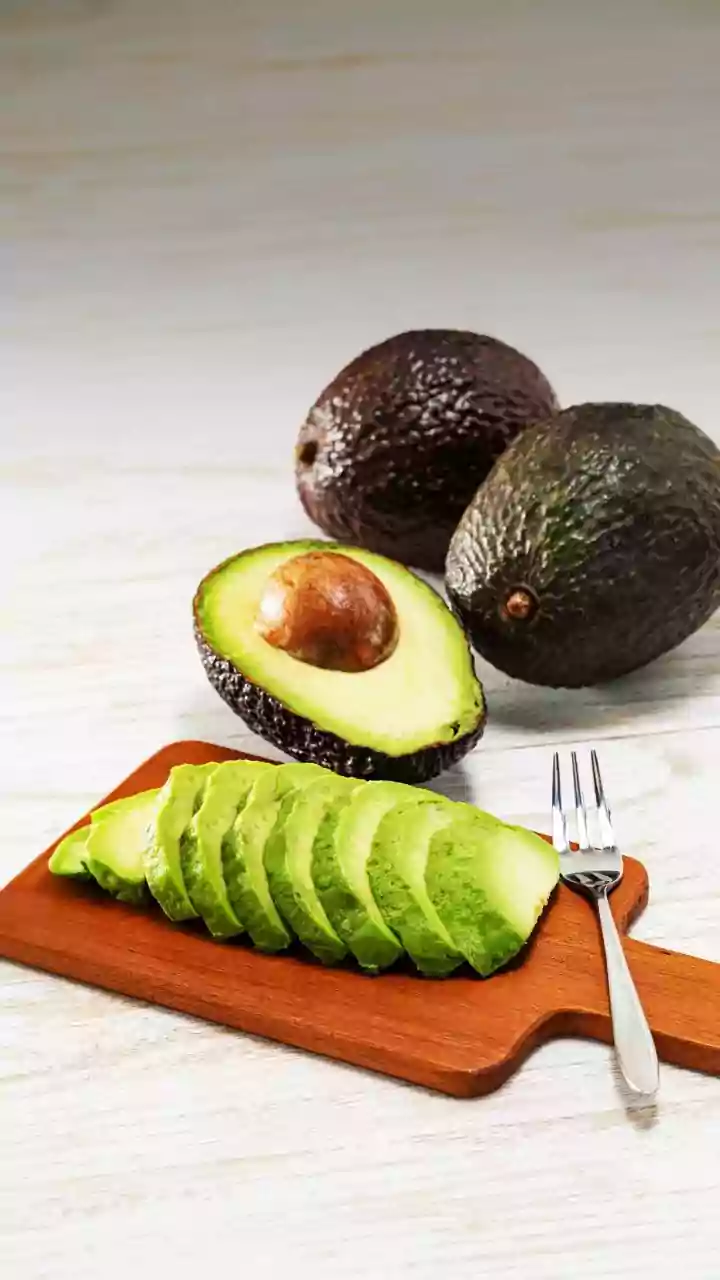
Creating your ideal breakfast smoothie begins with understanding the core components. Start with a liquid base, approximately eight ounces, which ensures smooth blending and hydration. Water, unsweetened plant-based milks like almond or oat, or even diluted coconut milk are excellent choices. For a touch of creaminess and probiotics, kefir or dairy milk can be used. Next, incorporate about a cup of fruit, preferably frozen, for natural sweetness, fiber, and essential vitamins. Berries, bananas, pineapple, and mango are popular, adding vibrant flavor and color. Don't forget about healthy fats, which are critical for satiety and energy regulation; aim for about 50 calories from sources like ground flaxseed, chia seeds, hemp seeds, almond butter, or a quarter of an avocado. Finally, the protein component, targeting 20 to 25 grams, transforms your smoothie into a meal. Options include whey, collagen, or plant-based protein powders, ensuring they are low in added sugars.
Nutrient-Dense Recipe Ideas
For a tropical start, the Piña Colada Smoothie offers a delightful blend of ingredients. It features ½ cup of frozen pineapple, ½ a frozen banana, ¼ avocado, 1 cup of spinach, 1 tablespoon of chia seeds, and a scoop of protein powder, all blended with 1 cup of water or almond milk. This combination yields approximately 372 calories, with 39.7g of carbohydrates, 6.7g of fiber, 23.6g of sugar, 16.8g of fat, and a substantial 22.5g of protein. If you crave the flavors of apple pie, try the Apple Pie Smoothie: combine 1 frozen chopped apple, 2 tablespoons of oats, 1 teaspoon of maple syrup, ½ teaspoon of ground cinnamon, ¼ teaspoon of nutmeg, ¼ teaspoon of allspice, 1 scoop of vanilla whey protein, and 1 cup of almond milk. This mix provides around 350 calories, 48.5g of carbohydrates, 8.1g of fiber, 25.2g of sugar, 6.9g of fat, and 28.2g of protein. For a morning coffee boost, the Coffee Protein Smoothie blends ½ cup of almond milk or water with ½ cup of cooled coffee, ⅓ cup of Greek yogurt, 1 frozen banana, and 1 scoop of protein powder, potentially enhanced with almond butter or seeds. This blend delivers about 391 calories, 38.4g of carbohydrates, 8.1g of fiber, 19.4g of sugar, 17.8g of fat, and 27.2g of protein.
Energizing and Satisfying Blends
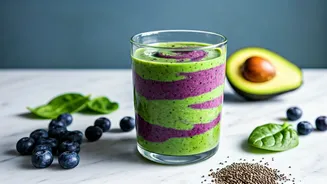
For those seeking a rich, chocolatey flavor, the High-Protein Chocolate Smoothie is an excellent choice. It requires ½ a frozen banana, ½ cup of plain Greek yogurt, 1 scoop of chocolate whey protein, 1 tablespoon of unsweetened cocoa powder, 1 cup of water, and 1 cup of ice. Optional additions include maple syrup or stevia for sweetness, and cacao nibs for texture. This blend, around 308 grams, contains approximately 275 calories, 21.3g of carbohydrates, 3.1g of fiber, 12.1g of sugar, 5.7g of fat, and an impressive 37.6g of protein. If you prefer a green smoothie packed with nutrients, consider a blend with ½ a frozen banana, ½ cup of frozen pineapple, ¼ avocado, 1 cup of spinach, 1 tablespoon of chia seeds, 1 scoop of protein powder, and 1 cup of water or almond milk. This nutrient-dense option provides around 350 calories, 48.5g carbohydrates, 8.1g fiber, 25.2g sugar, 6.9g fat, and 28.2g protein. Lastly, a Pre-Workout Smoothie can be crafted with ½ banana, ½ cup strawberries, ½ cup raspberries, 1 kiwi, ¼ cup cashews, 2 scoops of collagen protein, 1 scoop of greens powder, ½ cup yogurt, ½ cup almond milk, and ¼ cup ice, offering about 374 calories, 51.6g carbohydrates, 12.7g fiber, 27.3g sugar, 7.2g fat, and 31g protein.
Smoothie Precautions and FAQs
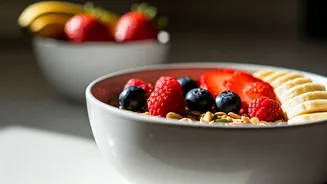
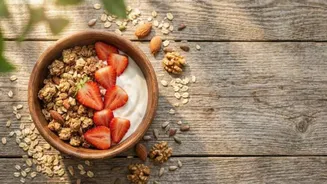
While beneficial, breakfast smoothies warrant some consideration. Over-reliance on fruit can lead to excessive sugar intake, and omitting fats or protein may result in premature hunger. High-calorie ingredients like coconut milk should be consumed moderately. For individuals sensitive to caffeine, smoothies containing coffee might not be suitable. Always adjust ingredients to accommodate personal dietary needs and sensitivities. Regarding common questions, balanced breakfast smoothies are indeed healthy when they incorporate protein, healthy fats, and fiber, promoting energy and digestion. They can assist with weight management by fostering satiety and stabilizing blood sugar, thereby curbing cravings. Ideal protein sources include collagen peptides, whey, or plant-based powders. While drinking a smoothie daily is an option, variety in ingredients is key to ensuring comprehensive nutrition. Smoothies become filling due to a balanced macronutrient profile, with protein, fats, and fiber working synergistically for sustained fullness and steady blood sugar. Adding protein powder, nut butters, seeds, or oats significantly enhances satiety. Frozen fruit often provides a superior texture and consistency compared to fresh fruit. Approximately eight ounces of liquid per serving is a good starting point for blending. Fat is essential for maintaining satisfaction, slowing digestion, providing energy, and improving texture. Thick smoothies can also be enjoyed as smoothie bowls, potentially topped with granola.