



The Alphonso Advantage
The Alphonso, also known as Hapus, reigns supreme from Maharashtra, typically available from mid-April to mid-June. Its flesh is a vibrant saffron-orange,
dense, completely fibreless, and incredibly aromatic, delivering an intensely sweet flavour with a rich, almost buttery undertone balanced by a subtle tanginess. This unique profile makes it the unparalleled choice for aamras, the thick mango pulp served with puris, and other indulgent preparations like mango mastani, kulfi, and shrikhand. Due to its potent fragrance and flavour, it's best enjoyed fresh or in simple preparations, as heat can diminish its delicate aromatic compounds. Avoid using it in savoury dishes like sabzi, as its sweetness and aroma are too precious to be masked.
Kesar: The Queen's Delight
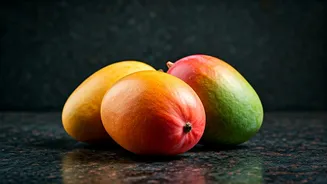
Hailing from Gujarat, the Kesar mango, named for its saffron hue, graces us from May to July. It's often called the 'Queen of Mangoes' due to its bright, dense, and smooth saffron-coloured flesh, offering a sweetness that is delicately fragrant, though less intense than Alphonso. Its skin presents a greenish-yellow with an orangey blush near the stem. Kesar's pulp has a lower water content, making it excellent for cooking down into rich concentrates. It shines in Gujarati specialties such as mango shrikhand, basundi, and chunda (a sweet pickle). Its texture also lends itself well to creamy mango ice cream and is delightful eaten fresh or incorporated into fruit chaats.
Dasheri's Floral Fragrance
From the heartlands of Uttar Pradesh, particularly Lucknow and Malihabad, comes the Dasheri mango, available from June to August. This long, slender mango boasts a light yellow-green skin and peachy-yellow flesh. Its texture is exceptionally smooth with minimal fibre, and its flavour is intensely sweet and fragrant, imbued with a distinct floral note that truly captures the essence of summer. The stone is notably flat and thin, maximizing the pulp-to-stone ratio. Dasheri is best savoured fresh, either sliced or traditionally sucked directly from the skin. Its captivating aroma makes it perfect for juices, panna cotta, and enhancing the flavour of aam panna concentrate, as well as for topping ice cream or enriching rabri.
Langra's Tangy Complexity
The Langra mango, predominantly from Uttar Pradesh and Bihar, ripens from July to August and is known for its unique characteristic of remaining green even when fully ripe. Its yellow flesh is fibreless and offers a delightful tangy-sweet balance, a complexity that appeals to those seeking a more nuanced flavour profile than the purely sweet northern varieties. This subtle tartness persists, making it an excellent choice for everyday eating. The name 'Langra', meaning 'lame', is said to refer to its original cultivator. Its slight sourness makes it ideal for fresh consumption, aam ka panna, chutneys requiring a sharp edge, and mango chaats where it complements spices. It can even be used for making achaar if not fully ripe.
Totapuri's Mild Versatility
Recognizable by its parrot-beaked shape, the Totapuri mango, also known as Bangalora or Collector, is a staple from Karnataka and Andhra Pradesh, available from April to June. It is among the least sweet of India's popular mango varieties. Its flesh is firm, slightly fibrous, and possesses a mild, clean flavour that isn't overtly tropical. Totapuri's gentle taste and relatively dry, firm pulp make it the prime choice for commercial mango pulp production, commonly found in canned and packaged products. At home, it is the go-to for robust mango pickles (avakaya), flavourful mango rice (pulihora), and raw mango dals. Its subtle flavour also makes it ideal for blended mango juices where it won't overpower other ingredients.
Neelam's Zesty Kick
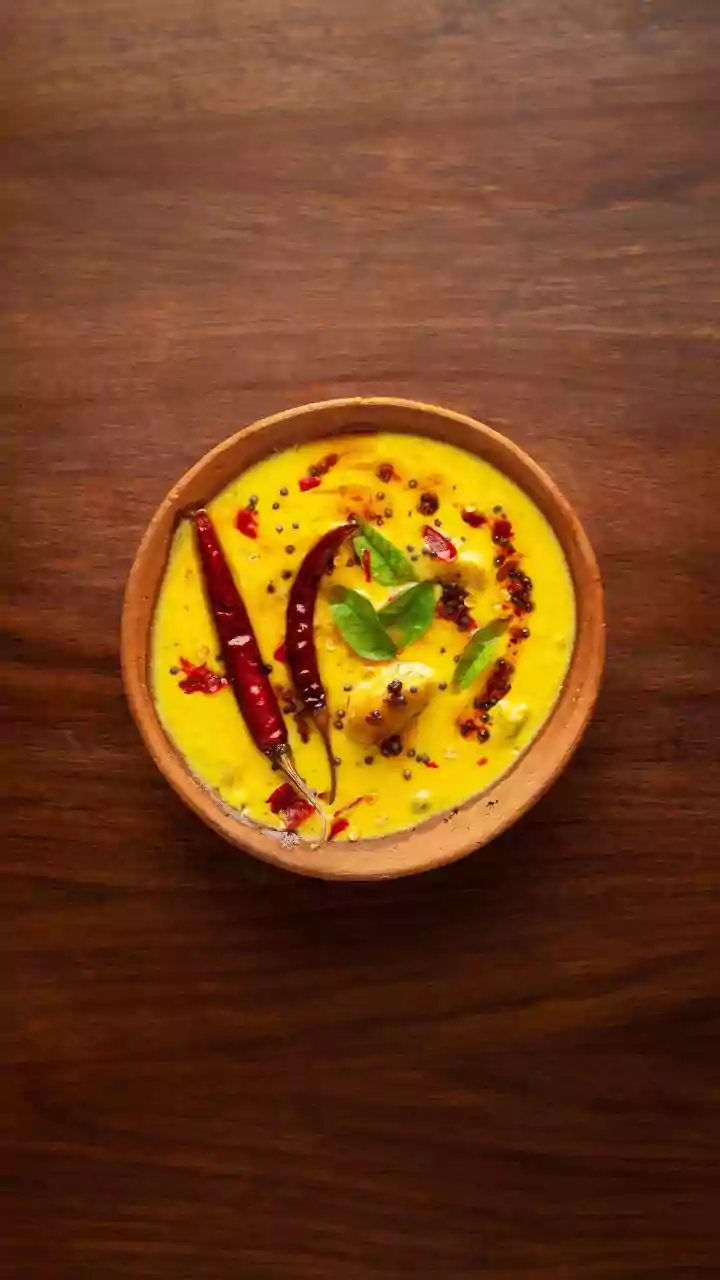
The Neelam mango, found in Andhra Pradesh and Tamil Nadu from June to July, is a small, round, golden-yellow fruit distinguished by its pronounced tangy-sweet flavour. Its acidity is higher than most ripe varieties, imparting a bright and complex taste. The flesh is somewhat fibrous, and its stone is proportionally larger compared to varieties like Alphonso. As it ripens, the skin deepens to a rich yellow-orange. Neelam's natural tartness makes it a fantastic base for drinks and smoothies, adding character to mango lassis. It's also a popular choice in South Indian cuisine for mango rice, sambar bases, and rasam, where its acidity acts as a natural souring agent. In Tamil Nadu, it's used in koozh and mango pachadi.
Chaunsa: The Sweetest Finale
A late-season gem from Punjab and Haryana, the Chaunsa mango ripens from July to August and stands out as the sweetest of the common North Indian varieties. Its flesh is exceptionally soft, almost creamy, entirely fibreless, and pale yellow, offering a gentle, honey-like sweetness. Varieties like white, honey, and sweet Chaunsa all share this characteristic softness and intense sweetness. The skin is pale yellow with a hint of red blush, and the aroma is mild yet pleasant. Chaunsa's extreme sweetness and creamy texture make it perfect for eating plain, delivering a truly indulgent experience. It is also the preferred mango for milkshakes and rich mango puddings like kheer and burfi, often requiring minimal added sugar due to its natural creaminess. Its softness and high sugar content make it less suitable for cooking or pickling where tartness or firmness is desired.
Malgoa's Firm Sweetness
The Malgoa mango, often known as Malgoba or Mulgoba, is a large, oval variety from Karnataka and Tamil Nadu, available from May to July. It features a deep yellow skin and rich, sweet, nearly fibreless flesh. What sets Malgoa apart is its full, sweet flavour with a subtle resinous note, distinct from northern mangoes, and a firm texture that allows it to hold its shape exceptionally well when sliced. This combination of sweetness, minimal fibre, and structural integrity makes it an excellent choice for creating clean wedges or cubes for fruit salads and chaats. It also performs admirably in mango puddings and mousses, and is a good candidate for mango pachadi, maintaining its form better than softer mangoes in preparations involving cutting or layering.
Raw Mango: The Tangy Powerhouse
Raw mangoes, or 'kairi', are a distinct culinary entity and can be derived from almost any variety, though Totapuri, Langra, and Dasheri are common. These unripe fruits are characterized by their tartness, crunchy texture, and high pectin content, making them fundamentally different from their ripe counterparts. Raw mango is indispensable for creating refreshing summer coolers like aam panna, and flavourful accompaniments such as mango achaar (in both North and South Indian styles), chutneys, raw mango dal, and mango rice. It is also the source of amchur powder, a vital souring agent in North Indian cuisine. The high levels of malic and citric acid responsible for its tanginess are lost as the fruit ripens, solidifying kairi's role as a unique and indispensable ingredient.