
Initial Body Changes
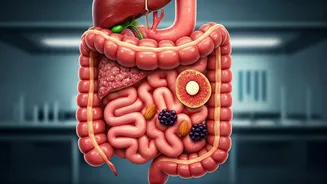
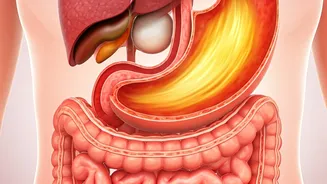
When you decide to stop consuming ghee and oil, the body reacts in several ways. Initially, you might notice alterations in your digestion. Fats play a crucial
role in the digestion process, helping the body absorb fat-soluble vitamins like A, D, E, and K. Eliminating these fats could lead to changes in bowel movements and potentially impact the absorption of these essential vitamins. Your energy levels may also be affected. Fats are a dense source of energy; when they are removed from the diet, the body must adjust to using alternative fuel sources like carbohydrates and proteins. This shift can sometimes result in fatigue or a feeling of sluggishness. Moreover, the body's fat storage dynamics begin to change. Without the input of dietary fats, the body may start to tap into its stored fat reserves for energy. This might lead to weight loss, although it is essential to consider the overall caloric intake and expenditure.
Impact on Cholesterol Levels
One of the most significant impacts of eliminating ghee and oil from your diet involves cholesterol levels. Ghee, a clarified butter, is primarily composed of saturated fats, which have been linked to increased levels of LDL cholesterol (often called 'bad' cholesterol). By removing ghee from your diet, you might witness a reduction in LDL cholesterol levels. Oils, depending on their composition, also contribute to cholesterol levels. Replacing saturated fats with unsaturated fats, found in some oils, can help improve the cholesterol profile. Monitoring these levels is vital. Regular blood tests will reveal any changes in cholesterol, which is crucial for assessing cardiovascular health. However, other factors, such as overall diet, exercise, and genetics, also play important roles in cholesterol levels, meaning that the impact of removing ghee and oil can vary significantly from person to person.
Skin and Hair Effects
The health of your skin and hair can also be impacted when you stop having ghee and oil. Fats provide essential fatty acids that are vital for maintaining healthy skin. They contribute to the skin's natural barrier function, preventing water loss and keeping the skin moisturized and supple. Removing ghee and oils, which are sources of these fatty acids, can lead to dryness or a less radiant complexion for some people. The scalp and hair can also be affected. Essential fats are crucial for hair health, providing nourishment and promoting shine. A deficiency may result in dry, brittle hair or hair loss. It is essential to ensure you are getting enough healthy fats from other sources like nuts, seeds, and avocados. These foods can help maintain skin and hair health, even when ghee and oil are removed from your diet.
Considerations and Alternatives
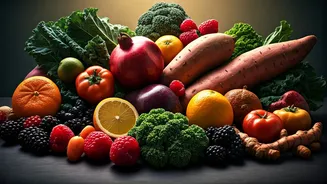
When you choose to stop having ghee and oil, it’s crucial to consider the various alternatives available to ensure a balanced diet. One of the main considerations is the potential for nutrient deficiencies, specifically in fat-soluble vitamins. Ensure you include alternative sources of these vitamins in your diet, such as leafy greens, fortified foods, and supplements. It is equally important to focus on incorporating healthy fats from other sources. Incorporate nuts, seeds, avocados, and fatty fish into your meals. These foods provide essential fatty acids and support overall health. When cooking, you may consider switching to alternative cooking methods. Techniques like baking, steaming, and grilling require little or no oil. The choices can make a significant difference in your diet and overall well-being. Always consult with a healthcare professional or a registered dietitian before making significant dietary changes.