





Understanding Mangodi
Mangodi, a foundational element in Rajasthani culinary traditions, is crafted from simple ingredients and meticulous preparation. The process begins with
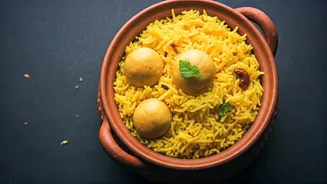
soaking yellow moong dal until softened, followed by grinding it into a coarse paste. This paste is then infused with a blend of traditional spices, and small, bite-sized portions are shaped, typically into round or oval forms. These pieces are then laid out to dry under the sun, transforming them into shelf-stable lentil dumplings that can be preserved for use throughout the year. This drying method is crucial for their long-term storage and versatility. While other varieties, like urad dal mangodi, exist and are often spicier, the moong dal version is preferred for this pulao due to its quicker cooking time and lighter profile. As a legume-based product, mangodi also contributes valuable protein to the meal, making it both a flavorful and nutritious component. It's a key ingredient in various Rajasthani preparations, including rich curries and hearty vegetable dishes.
Gathering Your Ingredients
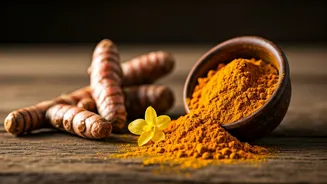
To embark on this culinary journey, you'll need a precise set of ingredients to recreate the authentic Rajasthani Mangodi Pulao. Start with 1 and a half cups of basmati rice, ensuring it's been soaked to achieve the perfect fluffy texture. The star ingredient, mangodi, requires 1 cup. For the aromatic base, prepare 2 onions, thinly sliced, and 1 tomato, finely chopped. Essential spices include 2 bay leaves to impart a subtle fragrance, 1 teaspoon of turmeric for its vibrant color and earthy notes, 2 tablespoons of red chili powder for that characteristic Rajasthani warmth, and half a teaspoon of garam masala for a final aromatic flourish. Season generously with salt to taste. Don't forget the vital flavor enhancers: 2 tablespoons of ginger-garlic paste. To add a fresh, finishing touch, finely chop half a cup of spring onions and another half a cup of fresh coriander. Finally, you'll need half a cup of oil for the cooking process.
Frying The Mangodi
The initial step in crafting this flavorful pulao involves carefully preparing the mangodi. Begin by heating a generous half cup of oil in a suitable pot or pan over a low flame. Once the oil reaches a moderate temperature, add the 1 cup of mangodi. It's crucial to fry these lentil dumplings on a low heat; this gentle approach ensures they achieve a light golden hue without burning. Overcooking or frying on high heat can lead to bitterness, compromising the final taste of the pulao. Once the mangodi are perfectly golden and have developed a delightful crispness, remove them from the pot and set them aside on a plate. This careful frying process not only enhances their texture but also unlocks their subtle nutty flavor, which is essential for the overall profile of the dish.
Building The Base
With the mangodi set aside, the next phase focuses on building the aromatic foundation of the pulao. In the same pot, utilizing the remaining spiced oil from frying the mangodi, introduce 2 bay leaves. Allow them to sizzle for a moment to release their fragrance. Next, add the 2 sliced onions. Sauté these onions until they soften and turn translucent, developing a sweet aroma. Following the onions, incorporate the 2 tablespoons of ginger-garlic paste and cook for a couple of minutes, stirring continuously, until the raw smell dissipates. The finely chopped 1 tomato is then added to the pot. Cook the tomatoes until they become soft and mushy, forming a rich base for the spices. This careful layering of aromatics is key to achieving the depth of flavor characteristic of Rajasthani cuisine.
Spice Infusion
Now it's time to introduce the vibrant spices that define the Rajasthani palate. Once the tomatoes have softened, add 1 teaspoon of turmeric, 2 tablespoons of red chili powder, and salt to taste to the pot. To prevent the spices from scorching and to help them meld beautifully, add a small splash of water. Stir this mixture well, allowing the spices to cook for about a minute until their fragrant oils are released and they form a cohesive paste with the onions and tomatoes. After this, gently fold in the pre-fried mangodi. Stir everything together thoroughly, ensuring each piece of mangodi is well-coated with the spiced mixture. This step allows the mangodi to absorb the rich flavors, promising a delicious outcome.
Cooking The Pulao
The final stage involves combining the spiced mangodi mixture with the rice and allowing it to cook into a fluffy, aromatic pulao. Add the 1 and a half cups of soaked basmati rice to the pot, gently mixing it with the spiced mangodi and onion-tomato base. Pour in enough water to cook the rice; typically, a ratio of about 1.5 to 2 cups of water per cup of rice is appropriate, depending on the rice type and soaking time. Bring the mixture to a gentle boil, then reduce the heat to low, cover the pot tightly, and let it simmer for approximately 15 minutes. Once the rice appears nearly cooked, sprinkle half a cup of finely chopped spring onions, half a cup of fresh coriander, and half a teaspoon of garam masala over the top. Cover the pot again and allow it to cook for an additional 2 minutes, letting the final aromatics infuse into the pulao.
Resting and Serving
After the cooking time is complete, it's essential to allow the Rajasthani Mangodi Pulao to rest before serving. Turn off the heat and let the pot remain covered for a few minutes. This resting period allows the steam to distribute evenly, ensuring the rice grains remain separate and fluffy rather than clumpy. Once rested, gently fluff the pulao using a fork or a flat spoon, taking care not to break the delicate rice grains or the mangodi. Serve this comforting one-pot meal hot. It is traditionally enjoyed with cooling raita, tangy chutney, or a sharp pickle, complementing the rich spices and textures of the pulao. For an even heartier meal, you can add assorted vegetables, although for an authentic Rajasthani experience, enjoying it in its classic preparation is highly recommended.