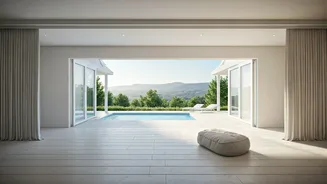








Elegant All-White Sanctuary
Actor and host Arjun Bijlani has unveiled his luxurious new farmhouse nestled in the scenic locale of Karjat, on the outskirts of Mumbai. The property
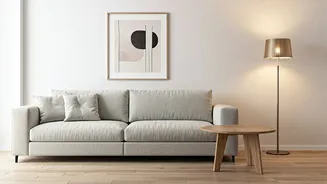
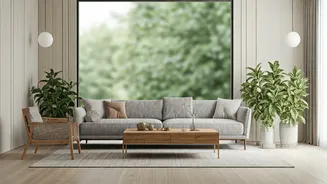
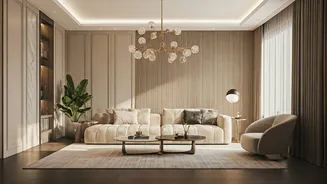
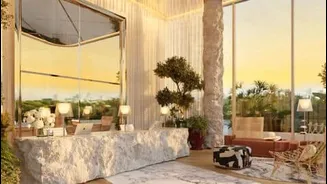
immediately captivates with its striking and sophisticated all-white aesthetic, which imbues the entire space with a sense of pristine cleanliness and enduring elegance. This design choice creates a remarkably calm and timeless atmosphere, a stark contrast to the usual hustle and bustle of city living. The interiors are thoughtfully appointed with comfortable, high-quality furnishings and tasteful decor, all harmonizing to enhance the overall visual appeal. Ample natural light streams through expansive glass windows, further accentuating the airy and open feel of the expansive living area. The architectural design itself appears grand yet soothing, thoughtfully integrated with the surrounding lush greenery, making it a true escape.
Poolside Retreat and Views
The Karjat farmhouse is not just about interior aesthetics; it also features an exquisite outdoor space designed for relaxation and entertainment. A beautifully maintained garden complements a private pool area, which serves as an ideal setting for hosting intimate gatherings with friends and family. Further enhancing the property's appeal is the addition of a balcony and a spacious terrace, both offering spectacular panoramic views of the surrounding natural landscape. The balcony, in particular, is presented as the perfect spot for enjoying quiet moments, whether it’s a peaceful morning coffee or unwinding during serene evenings, complete with comfortable seating and a charming swing. These outdoor elements significantly contribute to the farmhouse's tranquil and resort-like ambiance.
Mental Well-being and Aesthetics
While the allure of all-white interiors is undeniable, mental health experts offer nuanced perspectives on their impact. Dr. Murali Krishna notes that while some find such spaces calming, others may perceive them as lacking emotional depth, potentially feeling sterile or isolating. This perception is often influenced by individual preferences, cultural associations with color, and the need for sensory stimulation versus simplicity. Moreover, pristine white environments can inadvertently create pressure to maintain cleanliness, potentially increasing stress for caregivers and limiting spontaneous activities for children, who might feel inhibited in such a setting. The expert suggests that such aesthetics, while visually serene, can subtly encourage a constant state of vigilance, potentially discouraging playfulness and creativity in children. However, with a flexible approach, these homes can still function well, requiring a mindful mindset from their inhabitants.
Importance of Open Spaces
Dr. Murali Krishna highlights the critical role of open spaces like balconies and gardens within homes, particularly those with minimalist aesthetics like Arjun Bijlani's farmhouse. He emphasizes that these areas are instrumental in fostering creativity and encouraging introspection, effectively reducing cognitive fatigue. Such environments provide a vital mental pause, allowing individuals to transition from focused, structured thinking to more fluid, associative thought processes. This shift in mental engagement often leads to enhanced clarity of thought, improved problem-solving abilities, and a deeper capacity for self-reflection. Therefore, the integration of ample outdoor or open spaces within a home is crucial for supporting overall mental well-being and cognitive function, even within a visually minimalist setting.