





Origins of Assam Tea
Assam's tea story is a fascinating tale, intricately woven with both history and geographical advantages. The story of tea in Assam began in the 19th century.
The East India Company played a vital role in its development. Initial discoveries were made of wild tea plants indigenous to the region. The British began commercial cultivation, establishing plantations and paving the way for Assam's future as a tea-producing powerhouse. The climate and soil of Assam proved to be uniquely suited to tea cultivation. The warm, humid climate and the fertile Brahmaputra valley created the perfect conditions, which set the stage for large-scale tea production. The introduction of improved cultivation techniques and the implementation of efficient processing methods further boosted Assam's tea industry. This led to Assam tea becoming a staple beverage in households across India and beyond, solidifying its place in the world.
Tea Plantation Magic
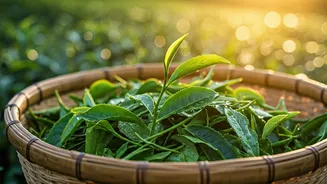
The journey from tea plant to cup is an intriguing process, steeped in tradition and precision. Tea plantations in Assam provide a captivating view. The rolling hills, covered in lush green tea bushes, present a picturesque panorama. The process commences with the careful plucking of the tea leaves, usually the top two leaves and a bud, which are the most flavorful. The plucked leaves undergo a crucial process of withering, where they are spread out to reduce moisture content. Next comes rolling, which breaks down the cell walls and releases enzymes that influence the tea's flavor. Oxidation follows, where the leaves are exposed to air, which develops the characteristic color and flavor profiles. Finally, the leaves are fired or dried to halt the oxidation process, preserving the flavor and aroma. The finished tea is graded based on leaf size and quality. This entire process, from plucking to grading, showcases the dedication and expertise that contribute to the quality of Assam tea.
Assam's Tea Identity
The title of 'Tea Capital of India' is rightfully held by Assam, a recognition earned through its contribution to tea production. The state's significant role in producing tea, which accounts for a substantial portion of the total tea output in India, is undeniable. Assam's climatic conditions are perfect for tea cultivation. The region has the perfect combination of heat, humidity, and rainfall. These factors enhance the tea's rich flavors and distinctive characteristics. The large tea estates of Assam provide employment to a large number of people, sustaining local communities. The unique taste of Assam tea, characterized by its briskness, strong body, and malty flavor, differentiates it from other teas. The tea also holds a significant cultural value. It's an integral part of daily life and celebrated through festivals and traditions. These aspects solidify Assam's position as the 'Tea Capital of India,' a place where tea is more than just a beverage; it's a way of life.
Tea Experiences to Enjoy
Assam offers a variety of immersive tea experiences that extend beyond simply drinking a cup. One of the most fascinating is to explore the tea gardens. Walking through the tea plantations provides a firsthand look at the tea-making process. The aroma of fresh tea leaves is a pleasant experience. Many estates provide guided tours. Another option is to visit local tea markets. Here, one can interact with tea merchants and discover a variety of teas. Participating in tea-tasting sessions is also an engaging activity. Learn to distinguish different grades and flavors. Some plantations offer tea-making workshops, where you can learn to brew your own perfect cup. You can try the tea-infused cuisine and discover how tea enhances the taste of different foods. These unique experiences offer a deeper appreciation of the heritage and culture that are intertwined with Assam tea.
Assam Tea Markets
The local markets of Assam are ideal places for buying tea, offering a selection of teas and an immersive cultural experience. Major cities in Assam, like Guwahati and Jorhat, host bustling markets where you can find tea from various estates. These markets provide a chance to interact with local tea sellers and learn about different tea grades. One of the prime places to purchase is the Assam Tea Auction Centre, which is Asia's oldest and busiest tea auction. In the markets, you can find different grades of tea, including the robust CTC (Crush, Tear, Curl) varieties. You can also explore orthodox teas, known for their whole-leaf quality. You can buy black tea, green tea, and specialty teas such as masala chai. Tasting the tea before buying is also usually an option, which can help one in making the right choice. Buying directly from the source ensures quality and authenticity.
Chai and Assam's History
The history of chai in Assam is an intriguing tale of colonial influence and regional evolution. Tea, though native to the region, wasn't widely consumed in India until the British introduced it. They established tea plantations in Assam, intending to compete with China's tea trade. The British promoted tea consumption among the local population, which contributed to the drink's popularity. Over time, the concept of chai evolved. The addition of milk, sugar, and spices gave birth to the beloved Indian chai. The tea blended seamlessly with local culture. Today, Assam tea forms the core of chai, providing a strong base flavor. The historical interplay between the British, the local population, and the tea itself laid the foundation for the beloved beverage. The modern-day chai is a testament to the cultural exchange that began centuries ago.