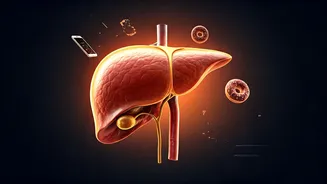







Insulin Resistance Explained
Many individuals diagnosed with type 2 diabetes initially produce insulin, but their bodies struggle to utilize it efficiently. This phenomenon is known
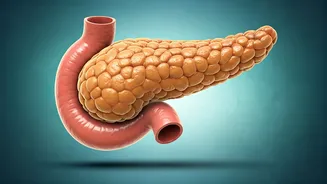
as insulin resistance. Through a combination of a well-planned diet, consistent physical activity, and maintaining a healthy weight, the body's responsiveness to insulin can significantly improve. This enhanced sensitivity aids in regulating blood glucose levels, often obviating the need for external medication in the early stages. The pancreas, the organ responsible for insulin production, can gradually become less effective over time. For some, this decline accelerates, leading to insufficient insulin secretion. At this juncture, lifestyle interventions alone may no longer be adequate, necessitating the introduction of insulin or other pharmaceutical agents to achieve optimal blood sugar control and preserve overall well-being.
Factors Influencing Treatment
Several elements contribute to whether someone with type 2 diabetes will eventually require insulin therapy. The duration of the diagnosis is a key factor; the longer one has lived with diabetes, the more probable it is that insulin production may diminish. Other critical determinants include an individual's genetic predisposition, the age at which they were diagnosed, their body mass index, and their general metabolic health. For instance, individuals diagnosed at a younger age or those presenting with exceptionally high blood sugar levels at the outset may be more likely to need medical intervention sooner. It's vital to understand that needing insulin doesn't automatically signify a severe or poorly managed condition. A prevalent misconception portrays insulin as a last resort, indicative of failure, but in reality, it serves as a highly effective means of managing blood sugar levels.
Progressive Nature and Goals
Type 2 diabetes is frequently a progressive condition, meaning treatment strategies often need to evolve alongside its progression. The overarching objective, however, remains constant: achieving and maintaining stable blood glucose levels to avert potential complications. Regardless of whether management relies solely on lifestyle adjustments or incorporates insulin therapy, several pillars are indispensable for success. These include diligent self-monitoring of blood sugar, adherence to a nutritious and balanced diet, regular engagement in physical activity, and consistent consultation with healthcare professionals. The therapeutic approach may differ significantly from person to person, but the ultimate aim is invariably the preservation of long-term health and the enhancement of life quality.