

Why Zero Oil Matters
Moving away from excessive oil in our daily meals is crucial for overall well-being, not just for weight management. While oil provides energy and aids
in absorbing certain vitamins, an overreliance on it can lead to health complications. Zero oil Indian recipes offer a smart alternative, allowing individuals to enjoy their favorite dishes while significantly reducing fat intake. This approach is particularly beneficial for those managing conditions like heart disease or diabetes, as it helps lower calorie counts and prevents unhealthy cholesterol buildup. By adopting zero oil cooking, one can actively support a healthier heart and a more balanced metabolism. The focus shifts to harnessing the natural flavors of ingredients and spices, making meals lighter and easier to digest, which contributes positively to long-term health and vitality without sacrificing the essence of traditional Indian cooking.
Mastering Oil-Free Techniques
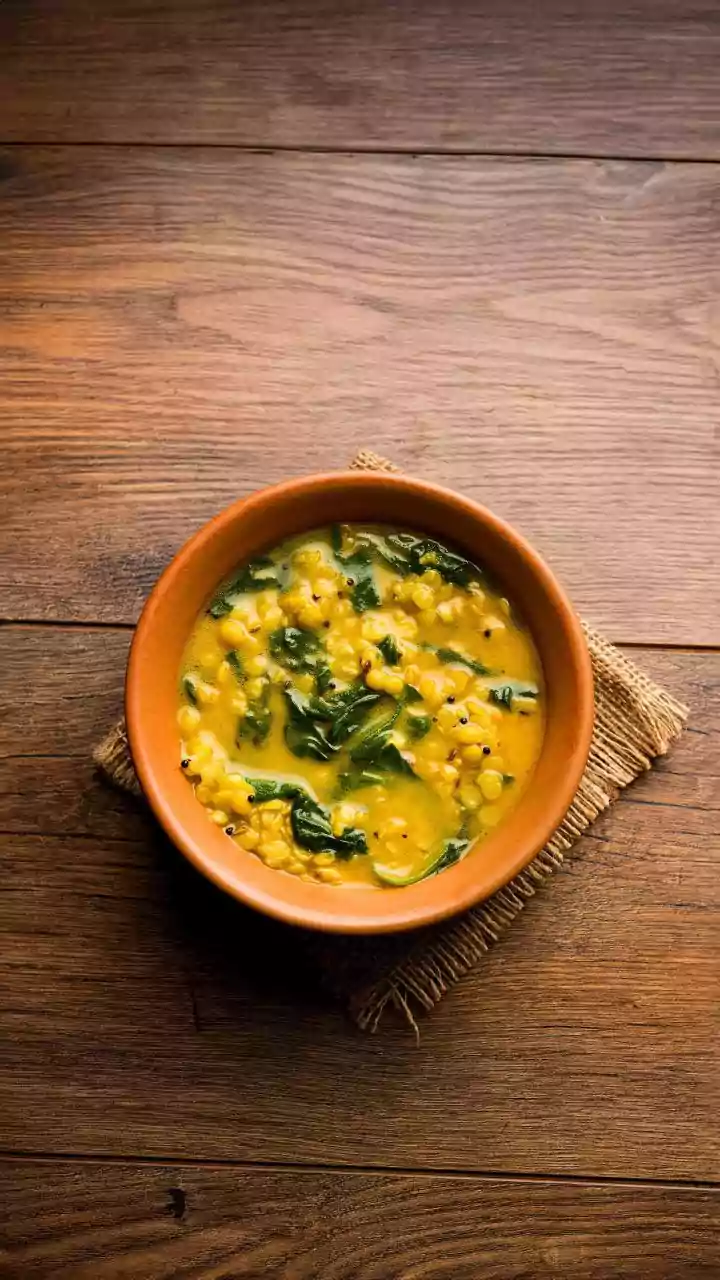
Crafting delicious zero oil Indian dishes hinges on adopting specific cooking methods that minimize or eliminate the need for added fats. Steaming is a highly versatile technique, perfect for preparing staples like idli and dhokla, as well as for cooking vegetables and grains to tender perfection. Baking and grilling offer a way to achieve delightful roasted flavors and textures without any oil, ideal for vegetables and paneer. Water sautéing involves using a small amount of water or vegetable broth to gently cook aromatics like onions and spices, coaxing out their flavors without the greasiness of oil. Boiling and pressure cooking are fundamental for dals, khichdi, and rice, ensuring they cook thoroughly and absorb spices well. These methods, when combined with smart use of non-stick cookware, prevent food from sticking, making the entire cooking process smooth and efficient. By mastering these techniques, home cooks can confidently recreate a wide array of traditional Indian recipes in a healthier, oil-free format.
Flavorful Zero Oil Delights
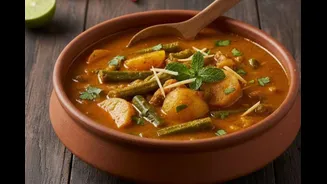
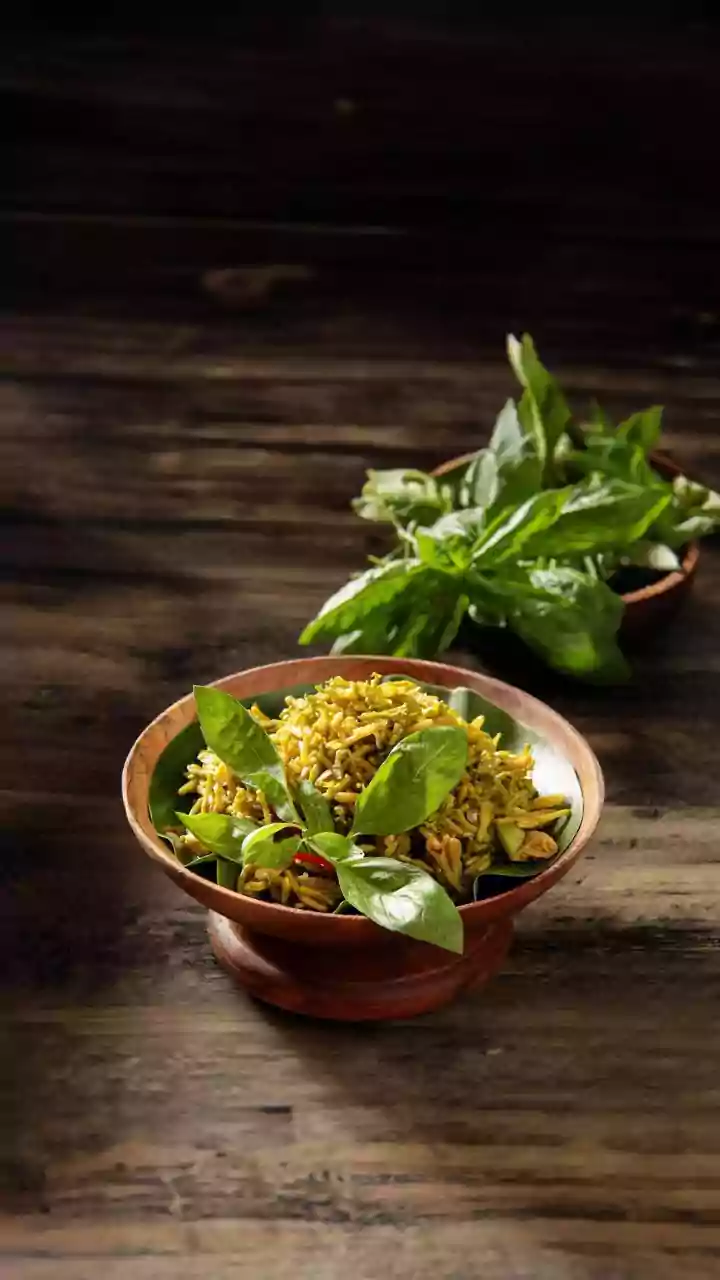
The world of zero oil Indian cooking is brimming with delightful and satisfying recipes that prove healthy eating doesn't mean bland food. Consider the beloved Steamed Idli and Dosa, light yet filling South Indian breakfast favorites, which are naturally oil-free. Vegetable Pulao, when steamed with fragrant spices and fresh vegetables, becomes a wholesome and aromatic main course. For a comforting curry, Lauki Kofta, where the koftas are steamed and then simmered in a flavorful tomato-onion gravy, offers a delicious alternative to fried versions. Savory pancakes like Moong Dal Cheela can be pan-fried to a golden crisp on a non-stick surface without a drop of oil. Even popular snacks like Paneer Tikka can be grilled or baked to perfection after marinating in yogurt and spices. Furthermore, refreshing salads, like the Sprouts Salad or a classic Onion-Cucumber-Tomato mix, require no cooking and rely solely on fresh ingredients and zesty dressings. Oats Upma, cooked with water and vegetables, provides a nutritious breakfast option, while Dal Dhokli, with its lentil broth and whole wheat dumplings, can be prepared without the traditional oil tempering. These examples showcase the sheer variety and taste achievable in an oil-free kitchen.
Zero Oil Salads & Snacks
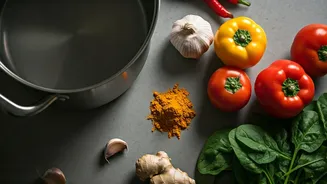
Zero oil Indian salads are a refreshing testament to how natural flavors can shine without added fats. These vibrant dishes are packed with fiber, vitamins, and antioxidants, promoting better digestion and supporting weight management. They require minimal preparation, often just chopping and mixing, making them ideal for busy lifestyles. Popular ingredients include crisp cucumbers, juicy tomatoes, pungent onions, crunchy carrots, colorful capsicum, and protein-rich sprouts or boiled moong. The dressing typically consists of lemon juice, black pepper, roasted cumin powder, and a touch of chaat masala for that signature Indian tang. For those seeking healthier snack options, the realm of zero oil snacks offers innovative choices. Consider healthy momos made with whole wheat flour and steamed with vegetable and sprout fillings, offering a nutritious twist on a street food favorite. Ragi Roti and Tandoori Paratha, prepared on a tawa without oil or with just a light brushing, provide wholesome alternatives to their oil-fried counterparts. These snacks and salads prove that it's possible to enjoy satisfying, flavorful Indian treats without compromising health goals.
Balancing Your Diet
While the benefits of zero oil Indian cooking are numerous, it's important to adopt a balanced approach to nutrition. Experts suggest that completely eliminating oil from the diet isn't ideal, as our bodies still require a small amount of healthy fats for essential functions. These fats are crucial for the absorption of fat-soluble vitamins A, D, E, and K, and play a role in joint lubrication and hormone balance. Therefore, the most effective strategy involves incorporating zero oil recipes into your meals rather than making every meal oil-free. Aiming for one or two zero oil meals a day, while ensuring the remaining meals incorporate healthy fats in moderation, strikes the right balance. This approach allows you to enjoy the lightness and health benefits of oil-free cooking while still meeting your body's nutritional needs. It’s about smart integration, ensuring you get the best of both worlds – authentic taste and optimal health.