



Unprecedented Width
The Delhi-Meerut Expressway stands as a monumental achievement in Indian infrastructure, distinguished by its astonishing 14-lane width. This makes it the
broadest highway in the nation, capable of accommodating a vast flow of traffic simultaneously. Unlike conventional highways that typically feature six or eight lanes, this project boasts a significant stretch with fourteen lanes, drastically reducing congestion. The design ingeniously integrates high-speed express lanes alongside service roads, dedicated cycle tracks, and pedestrian walkways, ensuring a comprehensive and safe passage for all. A key aspect of its construction involved widening the existing NH-9 up to Dasna to a 14-lane standard, with the subsequent sections being newly built, thereby creating a seamless and robust corridor. This substantial width is pivotal in managing traffic volume efficiently and elevating road safety standards across the route.
Dramatic Time Savings
The impact of the Delhi-Meerut Expressway on travel time is nothing short of revolutionary. Previously, a journey between Delhi and Meerut could consume a laborious two to three hours, often plagued by significant traffic delays and numerous traffic signals. However, with the operationalization of this advanced expressway, the same distance can now be covered in a remarkably short span of just 45 minutes. This transformation has profoundly benefited commuters, businesses, and logistics operations connecting Delhi, Noida, Ghaziabad, and Hapur, as well as other towns in Western Uttar Pradesh. The route is now predominantly signal-free, a stark contrast to the over 30 traffic signals that once characterized the old route. This reduction in travel time translates to substantial economic and personal benefits, making daily commutes and longer journeys considerably more manageable and efficient.
High-Tech Features
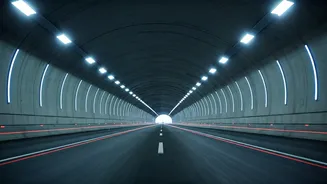
This expressway is engineered with cutting-edge technology, earning it the moniker of a 'smart expressway'. To ensure safety and facilitate smooth traffic management, the entire corridor is equipped with an extensive network of CCTV cameras. Thousands of LED streetlights illuminate the path, enhancing visibility during nighttime and adverse weather conditions. A sophisticated speed monitoring system is in place to enforce speed limits and maintain order. The infrastructure includes numerous strategically placed bridges, flyovers, and underpasses, all designed to eliminate bottlenecks and ensure uninterrupted movement. The integration of these high-tech facilities not only accelerates the journey but also significantly bolsters the safety of travellers, creating a modern and reliable transportation experience that was previously unimaginable on this route.
Phased Construction
The ambitious Delhi-Meerut Expressway project was meticulously planned and executed in four distinct phases to ensure timely and efficient completion. The initial phase covered the stretch from Delhi to the Uttar Pradesh border, establishing the foundational segment of this mega project. Following this, the second phase focused on extending the connectivity from the UP border to Dasna, a critical junction. The third phase involved the crucial widening and development of the highway from Dasna to Hapur. Finally, the fourth phase completed the ambitious vision by developing the route from Dasna all the way to Meerut. This phased approach allowed for concentrated efforts and effective management of resources, culminating in the expressway's full launch in 2021, a landmark achievement that has been enhancing connectivity and ease of travel for millions since its inauguration.