





Hidden Gas Hazards
Refrigerators rely on specific gases to maintain their cooling function. When these systems develop leaks, the refrigerant can accumulate within the appliance's
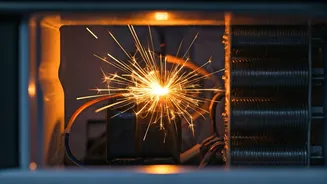
interior. If this escaped gas then encounters a spark – often originating from internal electrical components that might be malfunctioning or experiencing a short circuit – it can ignite, leading to a potentially dangerous explosion. Regular professional check-ups are instrumental in identifying and rectifying these refrigerant leaks before they escalate into a serious safety concern, especially when the appliance is under increased strain from ambient heat.
Compressor Overload Risk
The compressor acts as the central engine for your refrigerator's cooling mechanism. During hot weather, it's compelled to operate for extended durations and at a higher intensity to combat rising external temperatures. If the compressor becomes excessively hot, perhaps due to a lack of adequate ventilation behind the unit or a significant accumulation of dust and debris, the internal pressure can surge to hazardous levels. Maintaining clear airflow around the back of the refrigerator and ensuring it's free from dust are simple yet effective strategies to mitigate this specific risk and prevent undue stress on this vital component.
Electrical System Vulnerabilities
The electrical wiring within any appliance is a critical component, and refrigerators are no exception. Loose connections, damaged power cords, or simply worn-out insulation can create opportunities for electrical arcs or sparks. Should these sparks occur in close proximity to leaked flammable refrigerant gases or within an area of high internal pressure, they can serve as the ignition source for an explosion. It is paramount to always connect your refrigerator directly to a properly grounded wall socket and to avoid using generic or low-quality extension cords, which may not safely handle the appliance's power demands.
Flammable Item Dangers
A common oversight contributing to refrigerator safety risks involves the improper storage of household items. Some individuals may place aerosol cans, containers of alcohol, or other substances known to be flammable inside or in the immediate vicinity of their refrigerator. In the elevated temperatures of summer, these items can degrade, leak, or even burst, introducing volatile compounds into the appliance's environment. It is crucial to remember that refrigerators are designed exclusively for food and beverages; all chemicals and flammable materials should be stored securely in designated areas far away from kitchen appliances.
Ventilation and Care
The efficient operation of your refrigerator depends heavily on unobstructed airflow. When internal vents become blocked, often by an overpacked interior, the appliance struggles to circulate cool air effectively. This forces the compressor to work harder and for longer periods, consequently increasing both internal heat and pressure. Simple maintenance practices, such as regularly clearing out the refrigerator to prevent vent blockages and avoiding the habit of overstuffing it with groceries, are fundamental steps in preventing potential damage and maintaining safe operating conditions.
Proactive Safety Measures
Fortunately, the potential for a refrigerator to explode is largely preventable with diligent care and attention. Scheduling routine professional servicing will help catch any developing issues early. Ensuring the appliance has ample space for ventilation, both around and behind it, is vital. Equally important are the practices of avoiding overpacking the unit and refraining from storing any flammable substances within its confines. If you detect any unusual noises, peculiar odors, or if the appliance feels excessively hot to the touch, do not hesitate to contact a qualified appliance technician immediately for an inspection.