






Ancient Elixir Explained
Rice water, a simple yet potent concoction, has been a beauty staple for centuries, originating from ancient East Asian traditions like those of Japan's
Heian period and China's Red Yao tribe. This starchy liquid, derived from soaking or boiling rice, is brimming with beneficial components. It contains amino acids that fortify the hair shaft, acting as building blocks for stronger strands. Inositol, a type of carbohydrate, is also present, significantly improving hair elasticity and reducing the friction that can lead to damage. Furthermore, rice water provides essential vitamin B complex, crucial for maintaining a healthy scalp, and a rich array of minerals like zinc and magnesium. Its high antioxidant content actively shields hair from environmental stressors, promoting overall robust hair health and vitality.
DIY Rice Water Recipes
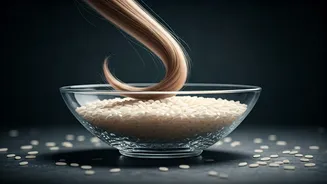
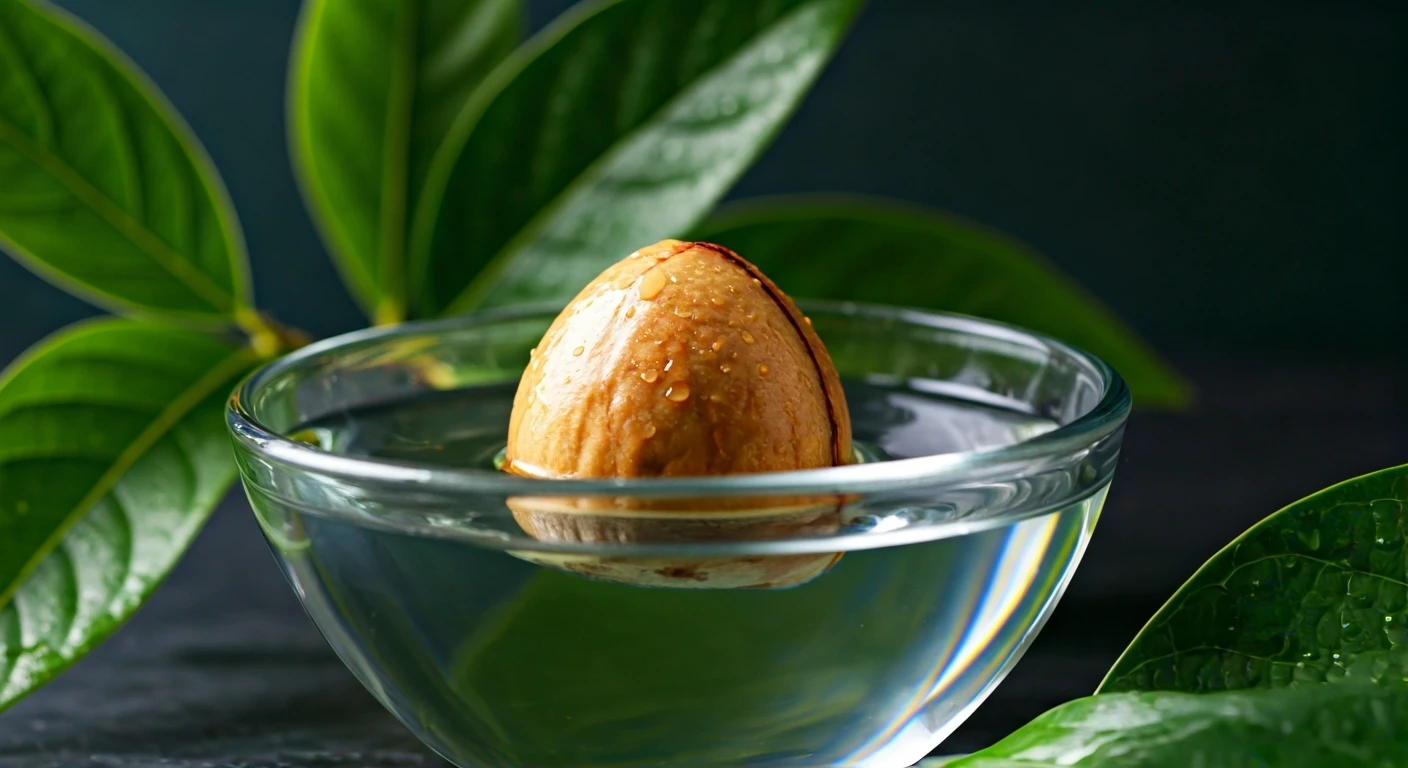
Embarking on your rice water journey is simple with these effective DIY methods. For a basic preparation, take ½ cup of uncooked rice and rinse it thoroughly to remove any impurities. Place the cleaned rice in 3 cups of clean water and let it soak for about 30 minutes. Afterward, strain the milky liquid into a bowl, discard the rice, and store the rice water in a glass jar in your refrigerator for up to 2 days. This method yields a mild, nourishing rinse. If you desire a more potent treatment, you can opt for a fermented version. After the initial 30-minute soak, strain the rice water and leave it at room temperature for an additional 2 days, or until it develops a slightly sour aroma. This fermentation process significantly boosts the antioxidant levels and lowers the pH, making it more beneficial for the scalp. Once fermented, dilute this concentrated water with 1 cup of fresh water before application. Remember, consistency is key, not the intensity of the solution.
Maximizing Benefits Safely
To reap the full benefits of rice water without adverse effects, proper application techniques are paramount. Always dilute the fermented rice water, as a highly concentrated protein formula can be detrimental to the scalp. For those with sensitive scalps, performing a patch test before a full application is highly recommended. Crucially, never skip your conditioner after rinsing with rice water. The protein-like compounds in rice water require a subsequent conditioning step to balance moisture levels effectively. Avoid using rice water daily, as excessive application can lead to dryness and brittleness in the hair strands. Instead, aim for a balanced frequency. Incorporating a scalp massage after applying rice water is also beneficial, as it stimulates blood circulation, which naturally supports hair growth cycles and overall follicle health. Patience and consistent, correct usage are far more impactful than infrequent, intense treatments.
The Science of Shine
The remarkable efficacy of rice water for hair stems from its unique composition, which has been scientifically recognized. The presence of amino acids within the liquid is a game-changer, as these are the fundamental building blocks of proteins, essential for strengthening the hair shaft from within. This fortification helps reduce breakage and makes hair more resilient. The inositol component plays a vital role in enhancing hair's elasticity, allowing it to stretch and bend without snapping. Moreover, it smooths the hair's surface, reducing friction and improving manageability. The vitamin B complex is instrumental in nurturing a healthy scalp environment, which is the foundation for healthy hair growth. The array of minerals and antioxidants works synergistically to protect hair from damage caused by environmental factors like pollution and UV radiation, ensuring hair remains vibrant and strong.