






The Body's Clock
Our bodies function on an internal clock, known as the circadian rhythm, which regulates the sleep-wake cycle. Sleep is a fundamental biological necessity,
playing a critical role in how our body operates. It supports critical functions such as memory consolidation, hormonal regulation, and cellular repair. When sleep is cut short, this internal clock is disrupted, leading to a ripple effect of consequences throughout the body. The consistency and quality of our sleep are directly linked to our overall health. The body depends on sufficient, high-quality sleep to perform essential tasks that maintain its optimal health.
Hormonal Imbalance
Sleep deprivation significantly impacts hormonal balance, leading to several health complications. For instance, the production of cortisol, the stress hormone, increases when sleep is insufficient. Chronically elevated cortisol levels contribute to anxiety, weight gain, and cardiovascular problems. Simultaneously, sleep loss hinders the production of growth hormone, essential for muscle repair and cell regeneration. Furthermore, inadequate sleep can disrupt the regulation of hormones like leptin and ghrelin, affecting appetite and potentially leading to overeating and weight gain. Essentially, sleep's absence throws the body's hormonal ecosystem into disarray, increasing the risk of numerous health concerns.
Cognitive Decline
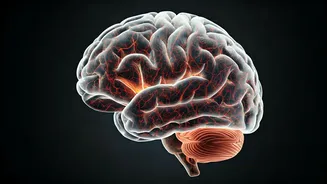
The brain heavily relies on sleep to consolidate memories and optimize cognitive function. Sleep deprivation impairs focus, attention, and decision-making abilities. Without sufficient rest, neural pathways cannot effectively process information, leading to slower reaction times and impaired judgment. This cognitive decline can manifest as forgetfulness, difficulty concentrating, and increased errors in daily tasks. Prolonged sleep loss can also increase the risk of developing neurodegenerative diseases. Thus, the adverse effects of insufficient sleep extend beyond mere tiredness, seriously undermining cognitive performance and mental well-being.
Weakened Immunity
Sleep deprivation compromises the immune system, making the body more vulnerable to infections. During sleep, the body produces and releases cytokines, which are proteins that target inflammation and infection. Without enough sleep, fewer of these protective substances are produced, weakening the body's defenses. This results in an increased susceptibility to colds, flu, and other illnesses. Moreover, chronic sleep deprivation can diminish the effectiveness of vaccines and slow down the recovery process after an illness. Prioritizing adequate sleep is, therefore, crucial for maintaining a strong immune system and safeguarding overall health.
Cardiovascular Risks
The heart bears a significant burden when sleep is consistently inadequate. Chronic sleep deprivation has been linked to an increased risk of cardiovascular diseases, including high blood pressure, heart attacks, and strokes. Lack of sleep can raise blood pressure levels during the day and disrupt the normal function of the cardiovascular system. It contributes to inflammation and other factors that promote the formation of arterial plaques. Thus, consistently shortchanging sleep introduces significant risks to the heart health, underlining the need to prioritize adequate sleep as a preventative measure for cardiovascular well-being.
Metabolic Disturbances
Sleep deprivation negatively impacts metabolic processes, heightening the risk of metabolic disorders such as type 2 diabetes. When you lack sleep, the body’s ability to process glucose, or sugar, declines, which increases blood sugar levels and promotes insulin resistance. This condition can lead to the development of diabetes. In addition, sleep loss is linked to changes in metabolism and can contribute to weight gain, making it a critical factor in metabolic health. Making sure you get enough sleep is an essential part of keeping your metabolic systems running well and lowering your chances of developing serious health problems.
Mental Health Challenges
Sleep deprivation often significantly exacerbates mental health issues. Lack of sleep can worsen symptoms of depression, anxiety, and other mood disorders. When you do not get adequate rest, the brain struggles to regulate emotions and cope with stress effectively. This can lead to increased irritability, feelings of hopelessness, and an elevated risk of mental health crises. Additionally, insufficient sleep can reduce the effectiveness of treatments for mental health conditions. Prioritizing quality sleep is, therefore, an important step in supporting mental well-being and managing the effects of mental health problems.
Finding Sleep Solutions
To address sleep deprivation, various strategies can be implemented to improve sleep quality. Establishing a consistent sleep schedule helps regulate the body's natural sleep-wake cycle. Creating a relaxing bedtime routine, such as taking a warm bath or reading, can signal to your body that it is time to sleep. Making the bedroom a comfortable, dark, and quiet environment is also essential. Avoiding caffeine and alcohol close to bedtime and limiting screen time before sleeping are important practices. If sleep problems persist, it is important to consult a healthcare professional to rule out underlying medical conditions and receive tailored advice.