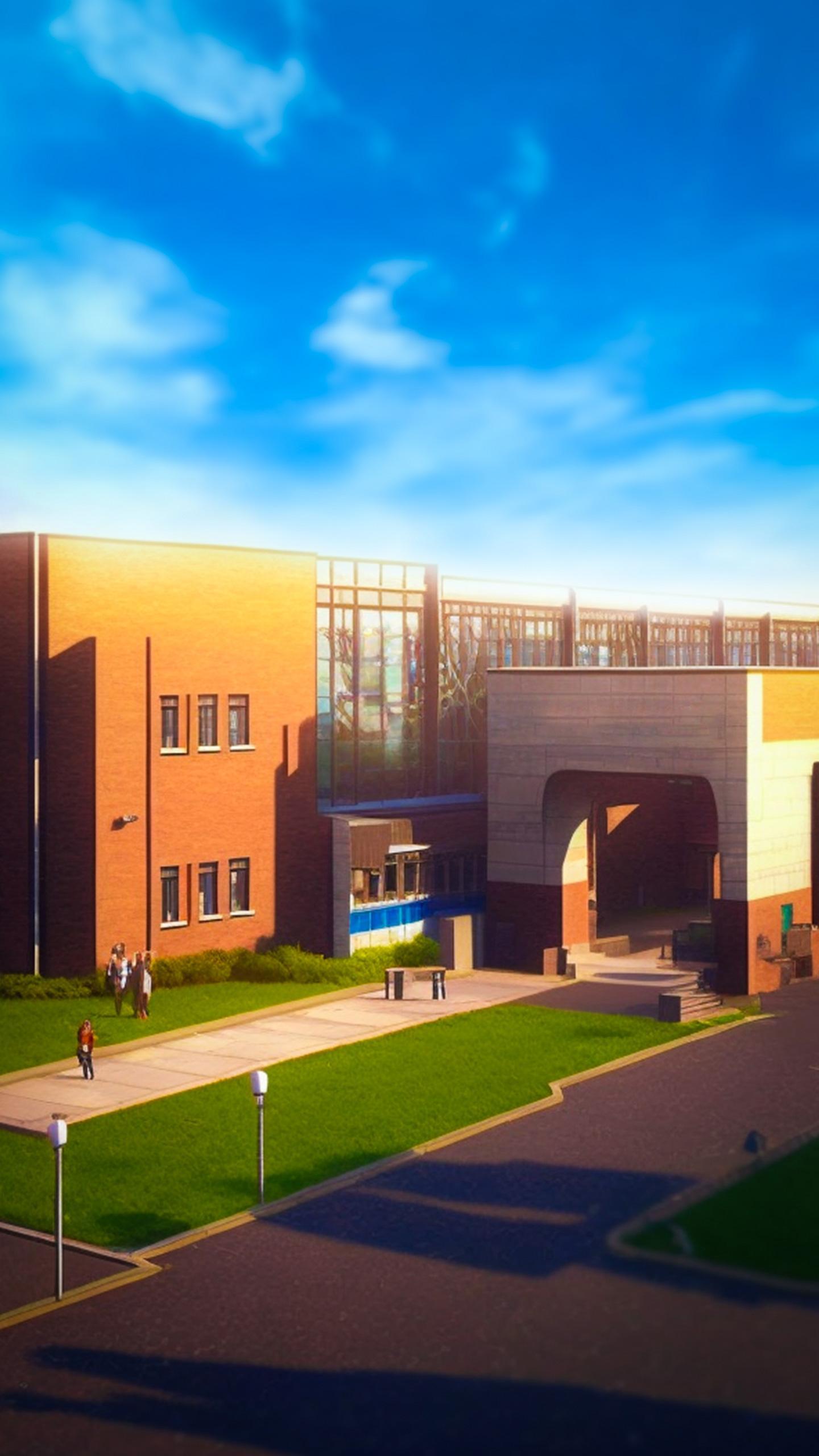







Introduction to Polytechnic
Polytechnic diplomas are a popular choice for students looking to gain practical skills and enter the workforce or pursue higher education in engineering.
These programs typically span three years after the 10th grade, providing hands-on training and industry-relevant knowledge. They emphasize applied learning, preparing graduates for various technical roles. The curriculum focuses on practical application, and graduates can find employment immediately after completion or further their studies through lateral entry into engineering degree programs, often bypassing the first year. The advantage lies in the focused curriculum tailored to industry demands, making graduates job-ready sooner than those pursuing traditional academic routes. This educational approach facilitates skill development and career progression within the technical fields.
Civil Engineering Fundamentals
Civil engineering stands as one of the most fundamental polytechnic courses, dealing with the design, construction, and maintenance of infrastructure. This encompasses roads, bridges, buildings, and other public facilities. Students in this program learn about structural analysis, surveying, construction materials, and project management. Civil engineering technicians are essential for ensuring the safety and efficiency of construction projects. Career opportunities include roles as site supervisors, construction managers, and design assistants. Graduates can also pursue further education to gain advanced knowledge in specialized areas like structural or environmental engineering. The versatility of a civil engineering diploma makes it a solid choice for aspiring engineers. The demand for skilled professionals ensures promising career prospects in this ever-evolving sector.
Mechanical Engineering Overview
Mechanical engineering is another sought-after polytechnic course, dealing with the design, production, and operation of mechanical systems. Students learn about thermodynamics, manufacturing processes, machine design, and automation. Mechanical engineers are central to developing and maintaining machinery in diverse sectors. This includes automotive, aerospace, manufacturing, and energy. Career paths include roles like design engineers, production supervisors, and maintenance technicians. The program emphasizes hands-on training, allowing students to gain practical skills in operating machinery and understanding mechanical principles. The course curriculum helps develop problem-solving and analytical skills. The skills learned are transferable and sought after in various industries, and provides a foundation for more advanced studies and certifications.
Electrical Engineering Insights
Electrical engineering is a dynamic field focusing on the design, development, and maintenance of electrical systems and devices. Students learn about circuit design, power generation, electronics, and control systems. Electrical engineering technicians are vital in industries like power generation, telecommunications, and manufacturing. Career opportunities encompass positions such as electrical technicians, project engineers, and control system designers. The polytechnic course includes practical training in wiring, troubleshooting, and testing electrical equipment. The curriculum also covers emerging technologies like renewable energy and smart grids. The constant need for skilled professionals ensures that electrical engineering graduates have good career prospects. The hands-on training and industry-focused curriculum prepare students for immediate employment in various specializations.
Computer Science Applications
Computer Science and Engineering (CSE) offers a blend of software and hardware knowledge, preparing students for the rapidly evolving technology sector. This includes learning about programming, data structures, computer architecture, and networking. The diploma program trains professionals to develop and maintain software applications, manage network infrastructure, and troubleshoot computer systems. Career paths include roles like software developers, network administrators, and IT support technicians. The course curriculum is designed to keep pace with industry trends, incorporating the latest programming languages and technologies. The demand for IT professionals continues to grow, providing graduates with multiple job opportunities. This field provides a solid foundation for careers in software development, cybersecurity, and data analysis.
Electronics Engineering Focus
Electronics engineering is focused on the design, development, and maintenance of electronic devices and systems. Students study electronics, circuit design, microprocessors, and communication systems. Electronics engineers are essential in telecommunications, consumer electronics, and instrumentation industries. The course prepares individuals for roles like electronics technicians, embedded systems designers, and test engineers. The curriculum emphasizes practical skills, including soldering, circuit testing, and troubleshooting. Furthermore, this provides valuable expertise in the repair and maintenance of electronic equipment. With the increasing reliance on electronic devices in daily life, this field offers a wide array of career opportunities. Graduates have access to diverse roles within multiple sectors, supporting innovation and technological advancement.