





Kidney Guardianship Explained
Our kidneys are unsung heroes, diligently filtering our blood and maintaining crucial bodily balance. Despite their essential role, their well-being is
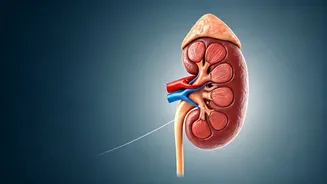
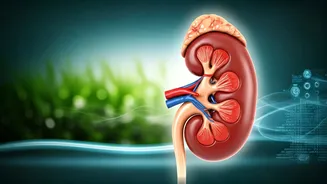
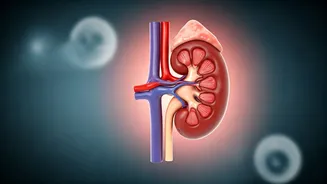
often neglected until issues manifest. India faces a significant burden of kidney disease, with kidney cancer also presenting a considerable challenge. This World Kidney Day, a spotlight is cast on proactive strategies and daily choices that can serve as potent defenses against kidney ailments, particularly cancer. While traditionally associated with age and existing conditions like diabetes and hypertension, emerging trends reveal younger individuals, even those under 30, are showing signs of renal dysfunction. Furthermore, specific occupational environments involving exposure to petroleum byproducts, heavy metals like cadmium, and asbestos industries elevate the risk for kidney cancers, underscoring the importance of regular health monitoring for those in such professions.
Plant Power for Kidneys
Embracing a plant-based diet can dramatically lower your risk of kidney cancer, as evidenced by a comprehensive study analyzing data from over 1.8 million individuals. Vegetarians, for instance, exhibit a 28% reduced likelihood of developing this specific cancer. This finding is particularly resonant within India, where vegetarianism is a common dietary practice rooted in cultural traditions. The scientific rationale behind this is straightforward: non-vegetarian diets tend to be protein-rich and produce more metabolic acids, increasing the load of substances like urea, creatinine, and uric acid that the kidneys must process. Conversely, plant-based foods such as garlic, apples, berries, and cabbage are generally easier for the kidneys to manage and can help mitigate oxidative stress, offering a gentler, more supportive approach to kidney function.
Early Detection is Key
Recognizing kidney issues early is paramount, especially concerning kidney cancer, which falls under surgical kidney conditions, with Renal Cell Carcinoma (RCC) being the most prevalent form. Thankfully, early detection can substantially improve treatment outcomes. A simple sonography can often identify kidney cancer, and experts strongly recommend that individuals over 50 undergo an annual ultrasound screening to maximize the chances of a full recovery. Beyond imaging, routine kidney screening tests are crucial for those with pre-existing risk factors like diabetes, hypertension, or a family history of kidney disease. Two pivotal tests include the uACR urine test, which flags early kidney damage by detecting protein leakage in urine often before other symptoms are noticeable, and the eGFR blood test, which quantifies how effectively the kidneys are clearing waste from the blood. These are typically performed in tandem to provide a comprehensive assessment of kidney function. Vigilant monitoring of blood pressure, aiming to keep it below the ideal 120/80 mmHg, is also a cornerstone of kidney protection, as high blood pressure is a major contributor to kidney damage.
Painkiller Prudence
The long-term consumption of common over-the-counter Nonsteroidal anti-inflammatory drugs (NSAIDs), such as Brufen and Voveran, poses a significant risk to kidney health. These medications, while effective in reducing pain and inflammation by blocking specific enzymes, can inadvertently disrupt the kidneys' natural repair mechanisms, leading to tissue damage over time. For a safer approach to pain management, Paracetamol is generally considered less detrimental to the kidneys when used within recommended dosages. Additionally, certain medications designed for nerve-related pain, like Gabapentin or Duloxetine, may offer effective relief for chronic pain with a gentler impact on kidney function. Topical pain-relief gels, such as those containing Diclofenac, are also viable alternatives that minimize systemic exposure and potential harm to the kidneys.
Lifestyle for Vital Kidneys
Everyday habits play a crucial role in warding off kidney disease and cancer. Experts emphasize that avoiding prolonged NSAID use, abstaining from smoking, and maintaining a healthy body weight are fundamental preventive strategies. Tobacco consumption can nearly double the risk of kidney cancer, and obesity is implicated in a substantial proportion of kidney cases globally. It is also advisable to limit the frequent intake of sugary beverages like cola, as these provide 'empty calories' and can contribute to weight gain and increased thirst, negatively impacting overall health. In warmer climates, insufficient water intake, particularly during physical exertion in hot and humid conditions, can lead to dehydration and increase the risk of kidney stones and heat stress nephropathy. While hydration is vital, it's important to strike a balance; excessive water consumption without adequate electrolyte replenishment, especially during strenuous exercise, can lead to hyponatremia, a potentially life-threatening condition. Complementing these dietary and hydration habits, regular physical activity, aiming for 150 to 300 minutes of moderate exercise weekly, such as brisk walking, significantly supports overall kidney function and health.