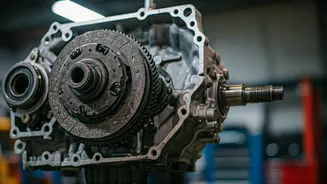








Master Clutch Release
Continuously resting your foot on the clutch pedal, known as 'riding the clutch,' creates persistent friction between its components. This friction generates
heat and causes premature wear, significantly shortening the clutch's lifespan. The correct approach involves fully depressing the clutch pedal when changing gears and then completely releasing it once the new gear is engaged. The pedal should only be pressed down when a gear change is actually occurring. Beyond shifting, keeping the clutch pedal down offers no benefit and only contributes to unnecessary wear. By adopting a habit of fully engaging and disengaging the clutch promptly, you prevent this constant frictional stress, allowing the clutch plates to cool and reducing the overall strain on the system.
Discern Clutch Necessity
Many drivers engage the clutch unnecessarily, for instance, when coasting downhill or slowing down. This practice increases wear on the clutch system and can actually diminish your control over the vehicle. Modern cars are engineered to decelerate effectively while remaining in gear, utilizing the engine's natural resistance, or 'engine braking.' This method places less stress on both the clutch and the braking system. Reserving clutch use solely for the act of changing gears ensures it only performs its intended function, thereby minimizing wear and maximizing its operational life. Avoid engaging the clutch unless you are actively shifting to a different gear.
Smooth Shifting Practices
Abrupt or forceful gear changes can inflict significant damage on the delicate internal mechanisms of your gearbox. To ensure a longer lifespan for these components, it's crucial to shift gears smoothly and at appropriate times. This means engaging the clutch fully, selecting the desired gear with a gentle motion, and then smoothly releasing the clutch. Paying attention to your engine's revolutions per minute (RPM) and selecting gears that align with your current speed and driving conditions are key. Aggressive shifting not only stresses the gearbox but can also lead to premature wear on synchronizer rings and other vital parts. Aim for fluid transitions between gears, matching them to the demands of the road.
Conquer Inclines Wisely
Holding your vehicle stationary on an incline using only the clutch is a detrimental habit that places immense pressure on the clutch plates. This constant engagement generates excessive heat and friction, leading to rapid wear and potential overheating. Instead, you should utilize the vehicle's brakes to keep it from rolling backward. Once you are ready to move forward, engage the clutch smoothly while simultaneously releasing the brake. This method prevents the clutch from bearing the weight of the vehicle and minimizes the strain on its components. Proper use of the brakes on slopes is paramount for clutch longevity.
Hands Off Shifter
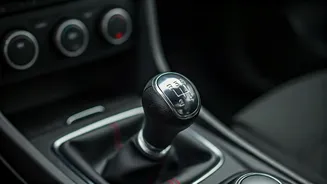
It's a common habit for some drivers to rest their hand on the gear lever while driving. While it may seem harmless, this action can inadvertently exert pressure on the internal components of the gearbox. This continuous, unintended force can lead to accelerated wear on the shift forks and other delicate parts within the transmission over time. The gear lever is designed solely for the purpose of selecting gears, and should therefore only be touched during the brief moments when a gear change is required. Keeping your hands on the steering wheel or in a relaxed position on your lap when not shifting is the best practice.
Anticipate Traffic Flow
Navigating stop-and-go traffic often leads to frequent gear changes and prolonged clutch engagement, significantly accelerating wear. By consciously observing and anticipating the movement of other vehicles, you can reduce the need for constant clutch manipulation. Maintaining a safe distance from the car ahead allows you more time to react smoothly, enabling you to avoid abrupt braking and unnecessary shifts. This proactive approach to traffic conditions helps minimize the time the clutch is partially or fully engaged, thereby reducing friction and extending its operational life. Better anticipation translates to less clutch wear.
Routine Maintenance Matters
Just like any other mechanical system, your clutch and gearbox require regular attention to function optimally and last longer. Ensuring that the gearbox oil is at the correct level and of the appropriate type is crucial for lubrication and smooth gear changes. This oil prevents excessive friction and heat buildup within the transmission. Adhering to your vehicle's recommended service schedule and performing visual inspections of the clutch system periodically can help identify potential issues before they escalate into major problems. Timely fluid checks and maintenance are preventative measures that can save you from substantial repair costs down the line.
Heed Warning Signals
Your vehicle will often provide subtle (or not so subtle) indicators when something is amiss with the clutch or gearbox. Paying close attention to these signals is vital for preventing catastrophic failures and expensive repairs. Symptoms such as increased difficulty when shifting gears, unusual grinding or whining noises emanating from the transmission area, a noticeable slipping sensation when accelerating, or even a distinct burning smell can all point towards an impending issue. If you notice any of these warning signs, it's imperative to have the clutch and gearbox system inspected by a qualified mechanic promptly. Early detection and intervention can often avert more severe damage.