






What is Celiac?
Celiac disease is a chronic autoimmune disorder where consuming gluten, a protein found in wheat, barley, and rye, triggers an immune response that damages
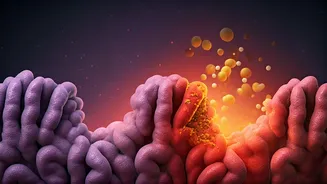
the lining of the small intestine. This damage, specifically to the villi—tiny, finger-like projections responsible for nutrient absorption—impairs the body's ability to absorb essential vitamins and minerals. The condition has a strong genetic component, meaning a person's inherited genes play a significant role in their likelihood of developing it. While celiac disease affects approximately 1 in 100 individuals globally, a concerningly low percentage, around 30%, receive a proper diagnosis. This highlights a significant gap in awareness and detection, leaving many undiagnosed and susceptible to long-term health complications arising from malabsorption.
Gluten's Harmful Effect
When an individual with celiac disease ingests gluten, their immune system overreacts, mistaking gluten proteins for a harmful invader. This immune assault is directed at the small intestine, causing inflammation and flattening of the villi. These villi are crucial for nutrient uptake, acting like microscopic fingers that absorb the goodness from our food. Once damaged, their surface area is significantly reduced, hindering the efficient absorption of carbohydrates, fats, proteins, vitamins, and minerals. Consequently, even with a seemingly balanced diet, the body may suffer from deficiencies, leading to a cascade of health issues. This destructive process underscores the critical need for strict adherence to a gluten-free diet for those diagnosed with the condition.
Genetics and Risk
The predisposition to celiac disease is heavily influenced by genetics. If an individual has a first-degree relative—such as a parent, sibling, or child—who has been diagnosed with celiac disease, their personal risk of developing the condition increases significantly, to approximately 1 in 10. This genetic link explains why the disease tends to run in families. However, possessing the genetic markers does not guarantee the development of celiac disease; it merely indicates an elevated susceptibility. Environmental factors and other triggers are also believed to play a role in the onset of the condition in genetically predisposed individuals. Understanding this hereditary component is vital for early screening and management within affected families.
Celiac vs. Intolerance
It's important to distinguish celiac disease from gluten intolerance, as the underlying mechanisms and consequences differ significantly. While individuals with gluten intolerance may experience similar digestive discomforts and symptoms after consuming gluten—such as bloating, gas, diarrhea, or abdominal pain—their small intestine remains structurally intact. In contrast, celiac disease is an autoimmune reaction that leads to direct damage and inflammation of the intestinal villi. This damage is permanent unless gluten is completely removed from the diet. Therefore, while both conditions necessitate dietary adjustments, the medical implications and the necessity for strict gluten avoidance are far more profound in the case of celiac disease due to its autoimmune nature and potential for serious long-term health complications.