





The Blue Light Menace
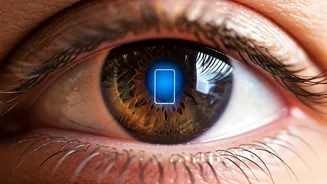
The prevalence of electronic devices has introduced a significant challenge to our eye health and sleep patterns: the pervasive blue light emitted from
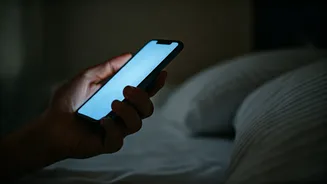
screens. When we engage with smartphones, tablets, or computers close to bedtime, these devices flood our eyes with blue light. This specific wavelength of light is known to disrupt our body's natural production of melatonin, a hormone essential for regulating sleep cycles. Consequently, even if we manage to fall asleep, the quality of that sleep is often compromised, leaving us feeling less rested. Eye doctors are increasingly concerned about the long-term effects of this constant exposure, noting potential links to digital eye strain, dry eyes, and even more serious conditions over time. The habit of scrolling through social media, catching up on emails, or watching videos just before closing our eyes has become a widespread concern among eye care specialists who advocate for a conscious effort to reduce screen exposure in the hours leading up to sleep.
Sleep Cycle Sabotage
The practice of using digital screens in the immediate lead-up to sleep is a direct assault on our circadian rhythm, the internal biological clock that governs our sleep-wake cycles. Blue light, due to its short wavelength and high energy, is particularly effective at tricking our brains into believing it's still daytime. This suppression of melatonin production not only delays the onset of sleep but also reduces the amount of deep, restorative sleep we achieve. When our sleep is fragmented or insufficient, it impacts more than just our energy levels; it can affect our mood, cognitive function, and even our immune system's ability to fight off illness. Ophthalmologists stress that consistently overriding our body's natural sleep signals through prolonged screen use can lead to chronic sleep deprivation, making it harder to concentrate and increasing susceptibility to everyday errors. Breaking this habit requires a deliberate shift towards screen-free activities in the evening.
Eye Strain and Discomfort
Beyond sleep disruption, the habit of engaging with screens for extended periods before bed significantly contributes to digital eye strain, a cluster of symptoms that can make daily life uncomfortable. When we focus on a screen, especially in low-light conditions often found in bedrooms, our eyes work harder to process the information. This prolonged visual effort can lead to symptoms such as dry eyes, blurred vision, headaches, and a general feeling of fatigue in the eyes. The close proximity at which we often hold our phones or tablets exacerbates these issues. Eye doctors frequently advise patients to implement the 20-20-20 rule – taking a 20-second break to look at something 20 feet away every 20 minutes – but this is often overlooked when engrossed in a device. Eliminating screen time before bed is a simple yet powerful way to alleviate these symptoms and give our eyes much-needed rest.
Creating a Screen-Free Sanctuary
To safeguard both vision and sleep quality, eye care professionals advocate for the establishment of a screen-free period before bedtime. This involves intentionally setting aside devices like smartphones, tablets, and laptops at least one to two hours before you plan to sleep. Instead, opt for relaxing, non-digital activities that signal to your body that it's time to wind down. Reading a physical book, listening to calming music or a podcast, gentle stretching, or engaging in a quiet hobby can effectively transition your mind and body towards sleep. Creating a tranquil bedroom environment, free from the stimulating glow of screens, can also significantly improve sleep onset and depth. By making this conscious change, individuals can proactively combat the negative effects of blue light exposure and foster healthier sleep habits, ultimately benefiting their overall well-being and eye health.