



The Soul of India
India's 'chor bazaars,' often translated as 'thieves' markets,' are far more than mere trading posts; they are vibrant living narratives of the nation's
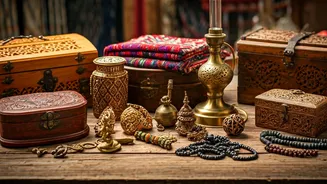
past and present. These bustling marketplaces, found in cities from the energetic lanes of Mumbai to the historic alleys of Delhi and the serene waters of Srinagar, offer a unique window into the Indian spirit. They are repositories of antiques, vintage curios, and fascinating collectibles, where the past is readily available for purchase, often at a bargain. These markets have evolved into iconic destinations, drawing in bargain hunters, curious tourists, and local shoppers alike, all eager to immerse themselves in India’s distinctive, albeit sometimes chaotic, trading traditions. Each visit promises a chance to unearth something special, a piece of history or a quirky memento, making them an essential part of the Indian travel experience.
Origins and Evolution
The genesis of these peculiar markets stretches back centuries, rooted in the ancient practice of traders and peddlers congregating in busy urban thoroughfares to sell pre-owned items and heirlooms. As goods changed hands multiple times, these markets gradually acquired a reputation for housing items that might have been misplaced or even pilfered, thus earning them the moniker 'chor bazaar.' In essence, however, they operate as lively flea markets, facilitating the recycling and resale of a vast array of products. Their proliferation was fueled by India's rapidly growing cities, where a persistent demand for affordable consumer goods created a fertile ground for these informal economies to flourish. The constant movement of people and goods in urban centers ensured a steady supply and demand, solidifying their place in the country's commercial landscape.
A Name's Tale
The term 'chor' itself carries the meaning of 'thief' in several major Indian languages, including Hindi, Marathi, and Gujarati. A popular folklore suggests that if one were to lose an item in the crowded bustle of an Indian metropolis, there was a high probability of recovering it the following morning at the local 'chor bazaar.' Intriguingly, Mumbai's renowned Chor Bazaar wasn't always known by this name. It was originally dubbed 'Shor Bazaar,' which translates to 'noisy market,' a fitting description for the cacophony of sounds emanating from Mohammed Ali Road. Over time, a linguistic shift occurred, transforming 'Shor' into 'Chor,' and the intriguing legend of lost and found items became irrevocably associated with the market.
Mumbai's Grand Bazaar
Standing as perhaps the most celebrated of India's flea markets, Mumbai's Chor Bazaar is situated near Bhendi Bazaar along Mutton Street. This expansive market is a veritable giant among India's flea markets, renowned for its extraordinary collection of antiques, vintage Bollywood posters, classic cameras, antique gramophones, and unique furniture pieces. Its chaotic yet captivating ambiance draws a constant stream of tourists eager to soak in the atmosphere, while seasoned locals attest to its unparalleled bargain opportunities. The market's legendary status is intrinsically linked to its reputation as the place where lost items mysteriously reappear, adding an air of mystique to its already bustling trade.
Delhi's Historic Hub
Delhi's contribution to the 'chor bazaar' phenomenon thrives within the historic lanes of Chandni Chowk. This vibrant marketplace offers an eclectic mix of goods, ranging from rare old coins and vintage books to pre-owned electronics and musical instruments. It serves as a reflection of Delhi's deeply layered history, where the influences of the Mughal era seamlessly blend with contemporary commerce. For collectors and enthusiasts who relish the thrill of sifting through piles of forgotten relics and unique finds, Delhi's Chor Bazaar is an absolute paradise, a place where every corner holds the potential for a remarkable discovery.
Srinagar's Waterborne Market
Srinagar presents a captivating and distinct variation of the 'chor bazaar' concept with its unique floating market on the iconic Dal Lake. Here, vendors skillfully navigate their boats, offering an array of antiques, exquisite handicrafts, and intriguing curiosities directly from the water. This creates a truly surreal and enchanting shopping experience, unlike any other. The market is not solely about the merchandise; it's equally about the magical atmosphere, enhanced by the shimmering reflections on the serene waters of Dal Lake, making it a visually stunning and memorable destination for shoppers and sightseers alike.
Beyond the Famous
The spirit of the 'chor bazaar' extends to numerous other Indian cities, each boasting its own unique character and offerings. Cities such as Pune, Hyderabad, and Kolkata host their own versions of these vibrant flea markets, infused with distinct local flavors. From the nostalgic allure of vintage vinyl records to the timeless appeal of old typewriters, these markets are veritable treasure troves for anyone who cherishes the excitement of unearthing hidden gems. They represent fascinating intersections where history, sentimentality, and lively commerce converge in a dynamic tapestry of Indian urban life.