




Digital Border Revolution
A significant transformation has taken place at the external frontiers of the Schengen Area with the official implementation of the Entry/Exit System (EES)
on April 10, 2026. This advanced digital framework is designed to replace the antiquated practice of stamping passports, ushering in an era of biometric and data-centric border management across 29 participating European nations. The core objective behind this ambitious upgrade is to bolster security measures, diligently monitor visa overstays, and significantly reduce instances of identity fraud. For travellers from outside the EU, including those from India, this means a more sophisticated and data-driven approach to crossing the border, aiming for enhanced efficiency and security in the long run.
Your New Travel Checklist
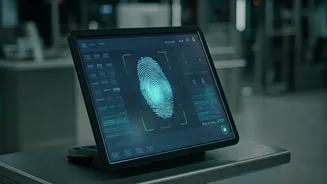
As you plan your next adventure to Europe, be prepared for a few added procedures at immigration checkpoints. Upon your initial entry into the Schengen zone, you will undergo biometric registration, which involves providing fingerprints and a facial scan. This can be done either at convenient self-service kiosks or directly with border officials. Gone are the days of passport stamps; instead, all your entry and exit records will be meticulously logged electronically. Border personnel may also inquire about details related to your trip, such as your accommodation plans, proof of return tickets, or the primary purpose of your visit. Once your biometrics are registered, subsequent trips will be streamlined, requiring only biometric verification rather than a full re-enrollment process, making repeat travel considerably faster.
Understanding the Changes
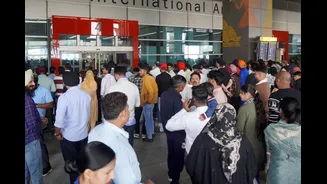
The most apparent alteration for global travellers is the discontinuation of physical passport stamps. These will be supplanted by a comprehensive digital tracking system that records every entry and exit. However, the transition to this new protocol may present some initial hurdles. Travellers are already being advised to anticipate potentially longer waiting times and processing delays, particularly during the initial rollout phase, as both the new technological systems and the border control personnel adapt to the updated procedures. This shift represents Europe's commitment to modernizing its borders through technology, and while it promises enhanced security and efficiency over time, it introduces a more detailed and data-intensive entry process for all visitors in the immediate future.
Implications for Indians
For Indian citizens planning short stays in the Schengen Area, typically up to 90 days within any 180-day period, the EES rules are now fully applicable. This means that the process of entering and exiting these European countries will involve the new biometric data collection and digital logging. While the long-term benefits of improved border security and potentially faster processing for registered travellers are significant, it's crucial for Indian travellers to be aware of the immediate adjustments. Planning for potentially longer queues at immigration during peak travel times and ensuring all necessary travel documents are readily available for verification are key strategies. The primary takeaway is to expect a more digitized and initially slower border crossing experience, and to factor this into travel itineraries.