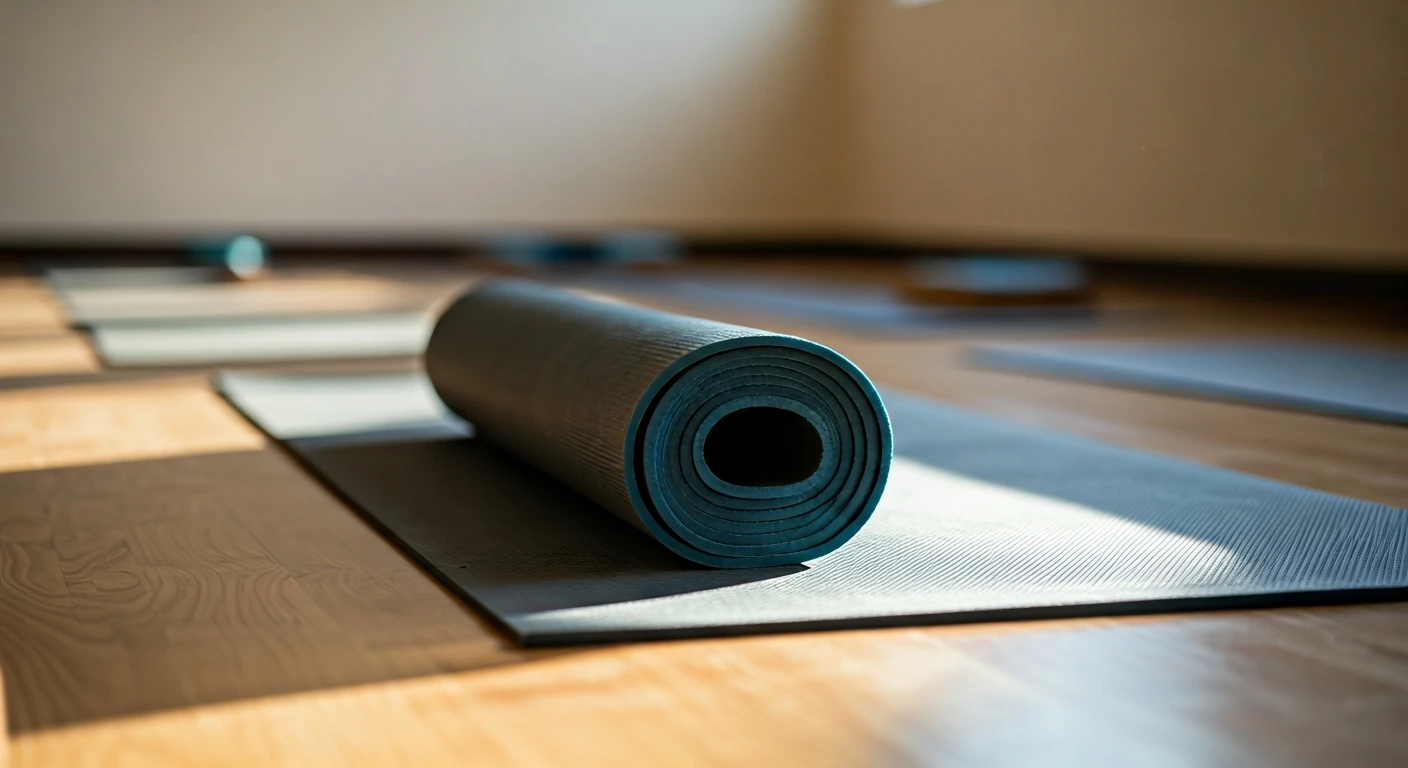

Yoga and Stress Relief
Yoga stands out as a multifaceted approach to stress reduction, effectively calming the nervous system. By incorporating specific asanas (postures) and pranayama
(breathing exercises), yoga helps in regulating the body's stress response. Deep, conscious breathing, such as diaphragmatic breathing, stimulates the parasympathetic nervous system, countering the effects of the fight-or-flight response. Regular yoga practice encourages the release of endorphins, natural mood boosters that contribute to feelings of well-being and happiness. Furthermore, the mindfulness cultivated during yoga sessions helps individuals become more aware of their thoughts and emotions, enabling them to better manage stressful situations with composure. This approach supports a balanced emotional state and enhances resilience towards life's challenges.
Posture and Physical Alignment
Yoga plays a pivotal role in improving posture by strengthening and aligning the body. Many yoga poses concentrate on correcting postural imbalances that may have developed due to prolonged sitting or repetitive movements. Specific asanas target the muscles that support the spine, such as the core muscles and back muscles, promoting better posture. Consistent practice helps to enhance body awareness, allowing individuals to identify and correct poor postural habits. Moreover, yoga increases flexibility and range of motion, reducing stiffness and pain that can contribute to poor posture. By regularly performing yoga, individuals can maintain a healthier, more aligned posture, resulting in reduced strain and increased comfort throughout the day. This improved posture contributes significantly to overall physical well-being and can help boost confidence and energy levels.
Combatting Mental Fatigue
Mental fatigue, a common consequence of demanding work and lifestyle choices, finds a formidable opponent in yoga. Certain yoga practices are specifically designed to energize the mind and revitalize the body. Gentle asanas and restorative poses help to alleviate tension and promote relaxation, which in turn reduces mental exhaustion. Pranayama techniques, such as alternate nostril breathing, can increase oxygen supply to the brain, enhancing cognitive function and alertness. Meditation, often a central component of yoga sessions, cultivates mindfulness and presence, helping to quiet the mental chatter that contributes to fatigue. By integrating yoga into their routines, individuals can experience a noticeable improvement in mental clarity, focus, and overall cognitive performance, leading to a greater sense of well-being and productivity. This practice offers a powerful tool for managing the demands of daily life.