



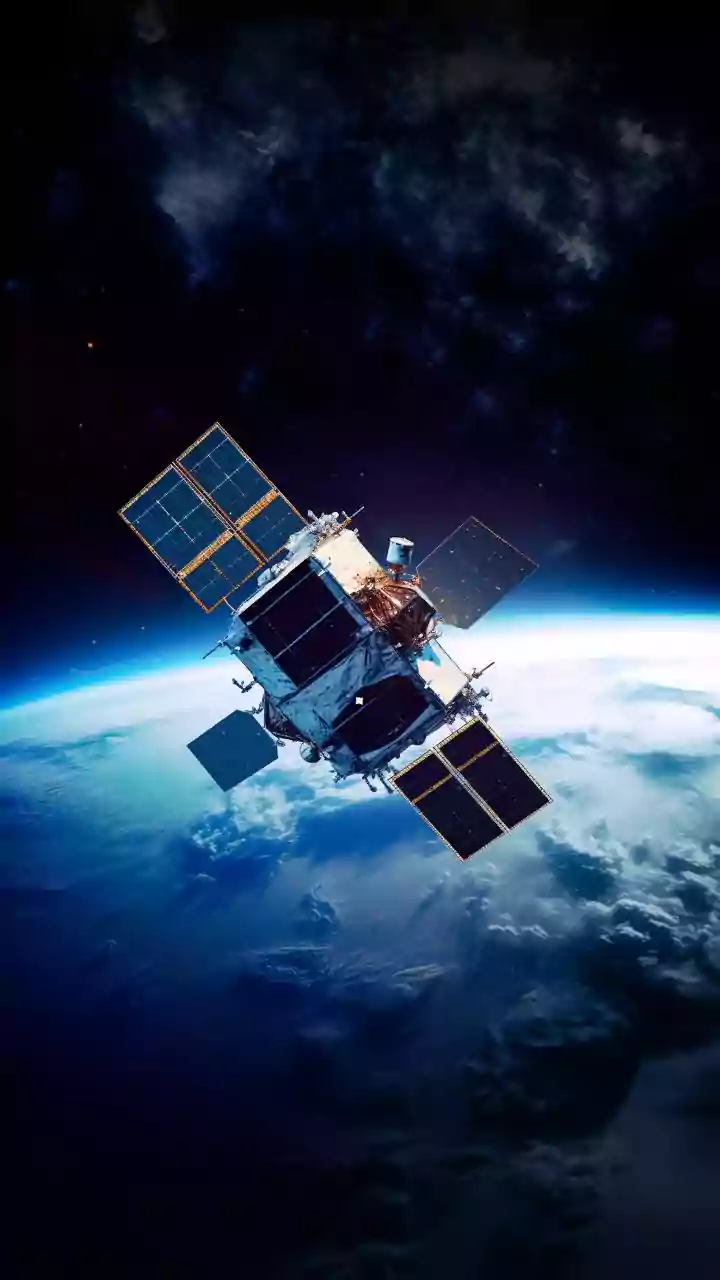




Early GPS Origins
The Global Positioning System (GPS), initiated by the U.S. Space Force in 1978, stands as a cornerstone of modern navigation. This system, operational
since the late 1970s, has revolutionized how we navigate the planet. GPS's inception reflects a strategic vision to provide precise positioning, navigation, and timing services accessible worldwide. The early implementation involved launching a constellation of satellites into orbit, transmitting signals that allow receivers on Earth to calculate their precise location. These developments paved the way for GPS's widespread adoption in various sectors, including aviation, maritime navigation, and military applications, underscoring its pivotal role in global infrastructure.
X-37B's Orbital Flights
The X-37B Orbital Test Vehicle, developed by the U.S. Space Force starting in 2010, represents a significant advancement in reusable spacecraft technology. This unmanned spaceplane is designed to conduct experiments in orbit and return to Earth, providing unique capabilities for testing technologies. The X-37B's operational flexibility and ability to remain in space for extended periods distinguish it from traditional spacecraft. Its missions often involve classified payloads and experiments, contributing to advancements in space-based systems and technologies. The reusable nature of the X-37B signifies a move toward more cost-effective and versatile space operations, reflecting a strategic shift in the U.S. Space Force's approach to space exploration and utilization. The vehicle's repeated flights and long-duration missions highlight its importance in advancing space capabilities.
Dove Constellation's Scope
Dove Constellation, launched by Planet Labs beginning in 2013, has significantly contributed to Earth observation capabilities. This network of satellites provides high-resolution imagery and data on a global scale. The mission's primary goals revolve around monitoring the Earth's environment, tracking changes, and providing valuable insights for various applications, including agriculture, urban planning, and environmental studies. The frequent revisits and comprehensive coverage offered by the Dove constellation allow for timely updates and the tracking of dynamic phenomena. The data collected supports numerous industries and research fields, demonstrating the significant impact of this Earth observation system on understanding and managing our planet's resources and environment.
New Shepard's Voyages
New Shepard, developed by Blue Origin, has been a key player in advancing space tourism and suborbital spaceflight since its introduction in 2015. This reusable suborbital rocket system is designed to carry both payloads and passengers to the edge of space, providing brief periods of weightlessness and offering unparalleled views of Earth. Its vertical takeoff and landing capabilities reflect the innovation driving the space industry's evolution. Through its numerous flights, New Shepard has contributed to advancing reusable rocket technologies and fostering interest in commercial space travel, contributing significantly to accessibility of space. The system has helped in opening new possibilities for research and exploration in suborbital space and has also served to inspire the public to view space exploration as a feasible opportunity.
Arkyd-6's Short Stint
The Arkyd-6, developed by Planetary Resources, made its mark in 2018 as a dedicated testbed and demonstrator. Though it was a short-lived mission, it was notable because it was designed to test technologies to identify and assess the resources available in the asteroids. This includes analyzing the composition of asteroids and measuring their orbits, which are vital steps for future resource utilization. The primary intention was to test the hardware and software systems required for prospecting and extracting resources in space, such as water and valuable minerals. This mission represented an essential step towards the broader goal of space resource utilization, demonstrating the practical application of space-based technologies, with a focus on sustainable and economically viable space activities.